
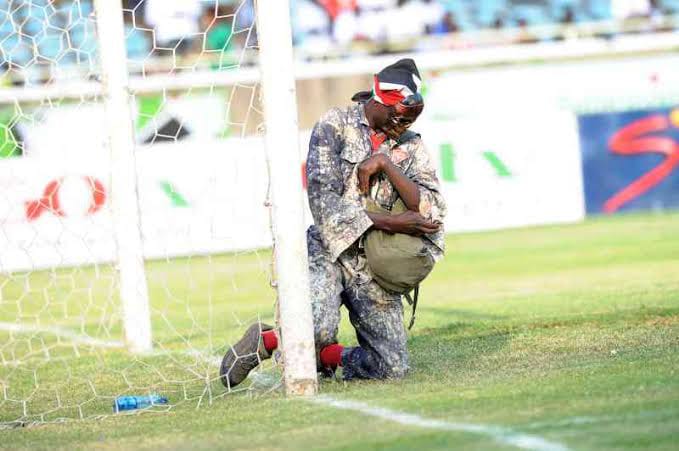
NEBBI — Before some football matches in West Nile, not all preparations take place on the training ground.
Former players, club officials and administrators say some amateur and semi-professional clubs routinely hire traditional healers, purchase ritual items and perform ceremonies they believe can protect players, weaken opponents or even influence match officials.
While there is no evidence that such practices affect the outcome of football matches, belief in their power remains widespread in parts of the region, where some clubs reportedly budget for rituals alongside ordinary match-day expenses.
Retired football administrators estimate that some clubs spend more than Shs5 million on traditional rituals during a single season, with between Shs300,000 and Shs500,000 allegedly paid before each home game.
"Clubs budget for juju like they budget for glucose, water or match-day meals," said a former official of Nebbi Central.
Muzamil Swaib, a former football administrator with Nebbi Central, said ritual practices have become common across different levels of football in the region.
"People use juju in many ways. Others specialise in stopping rain on match days. They are called the 'weather forecast team' and they have a separate budget," Swaib said.
"There is another team that goes for charms believed to protect home players, prevent opponents from scoring and spiritually blindfold match officials."
He said some home teams also collect pig bones from pork joints, groundnut seeds and sprinkle salt around playing grounds because they believe the items protect them against rival clubs that may be using similar rituals.
The belief in stopping rain has long existed within some communities in West Nile, particularly among the Alur, where traditional practitioners have historically performed rituals during important cultural ceremonies such as royal coronations.
Some football officials say those beliefs have increasingly found their way into sport, with clubs seeking favourable weather to maximise attendance during the rainy season.
Former Arua Central and Simba player James Masendi recalled witnessing ritual ceremonies before important matches.
"I remember playing a Big League qualifier in Maracha District in 2017. The night before the game, a traditional healer came and performed rituals," Masendi said.
"Our goalkeeper was instructed to throw an egg into a round fibre basket. We were told that if the egg broke, we would win the match. It broke, and we won."
He said a similar ritual was repeated before another game.
"The second time the egg did not break, and we failed to win," he recalled.
Masendi said ritual practices were common not only in FUFA-recognised competitions but also in primary and post-primary school tournaments.
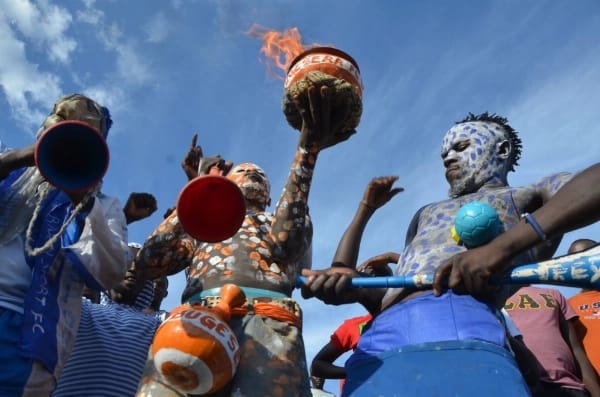
Football experts, however, note that every match has three possible outcomes — victory, defeat or a draw — determined by preparation, tactics, player performance and events during the game rather than supernatural influence.
Among some clubs, belief in rituals extends beyond club officials to players and devoted supporters, many of whom perform their own ceremonies out of loyalty to their teams.
Kenneth Owachgiu, chairman of Paidha Black Angels, described the practice as damaging to football.
"I don't believe in juju, but we've come across teams that sprinkle salt and pour powdered coffee on the ground in a bid to beat us," he said.
"There were teams in the Big League last season that we saw performing such rituals even at our home ground in Bar Okoro, but we still defeated them."
Owachgiu believes the practice cuts across the football fraternity.
"If it is not someone in management doing it, it is a player. If not a player, then a fan will do it. When the team wins, they claim the rituals worked. When it loses, they blame management."
He estimated that about six out of every 10 clubs at the semi-professional level in the region are involved in one form of match-related ritual, a trend he believes undermines the integrity of the sport.
Despite the widespread belief, West Nile has not produced a club currently competing in the Uganda Premier League, nor is there evidence that ritual practices have translated into sustained football success.
Critics argue that traditional healers may instead be capitalising on clubs' hopes of gaining a competitive advantage in an unpredictable sport.
Historically, only a handful of clubs from the region have featured in Uganda's top flight, including Ediofe Hills, Onduparaka, Paidha Black Angels, Arua Hill and Calvary. Other clubs such as Nsamba Boys, Packwach Young Stars, Mvara Boys and Nebbi Central have competed in the second tier.
FUFA regulations prohibit conduct that brings the game into disrepute.
Article 30 of the FUFA Competitions Rules and Article 13 of the FUFA Ethics and Disciplinary Code require participants to uphold the integrity of football. Sanctions for breaches include suspensions, fines and bans from football-related activities.
John Rwothomio, Competitions Chairperson of the West Nile Regional Football Association (WNRFA), said the association has not officially confirmed cases involving ritual practices but acknowledged that such reports damage the image of the sport.
"We believe in equity and fairness. Since we haven't confirmed it, we consider it a long-standing myth, but it is harmful because it can bring the game into disrepute," he said.
"As a region, we urge clubs, players and all stakeholders to focus on enjoying the game rather than introducing practices that have no place in sport."
With financial constraints, inadequate coaching structures and limited infrastructure continuing to hinder football development in West Nile, many observers argue that clubs would be better served investing in player development, coaching and facilities than in rituals whose effectiveness has never been demonstrated.
