
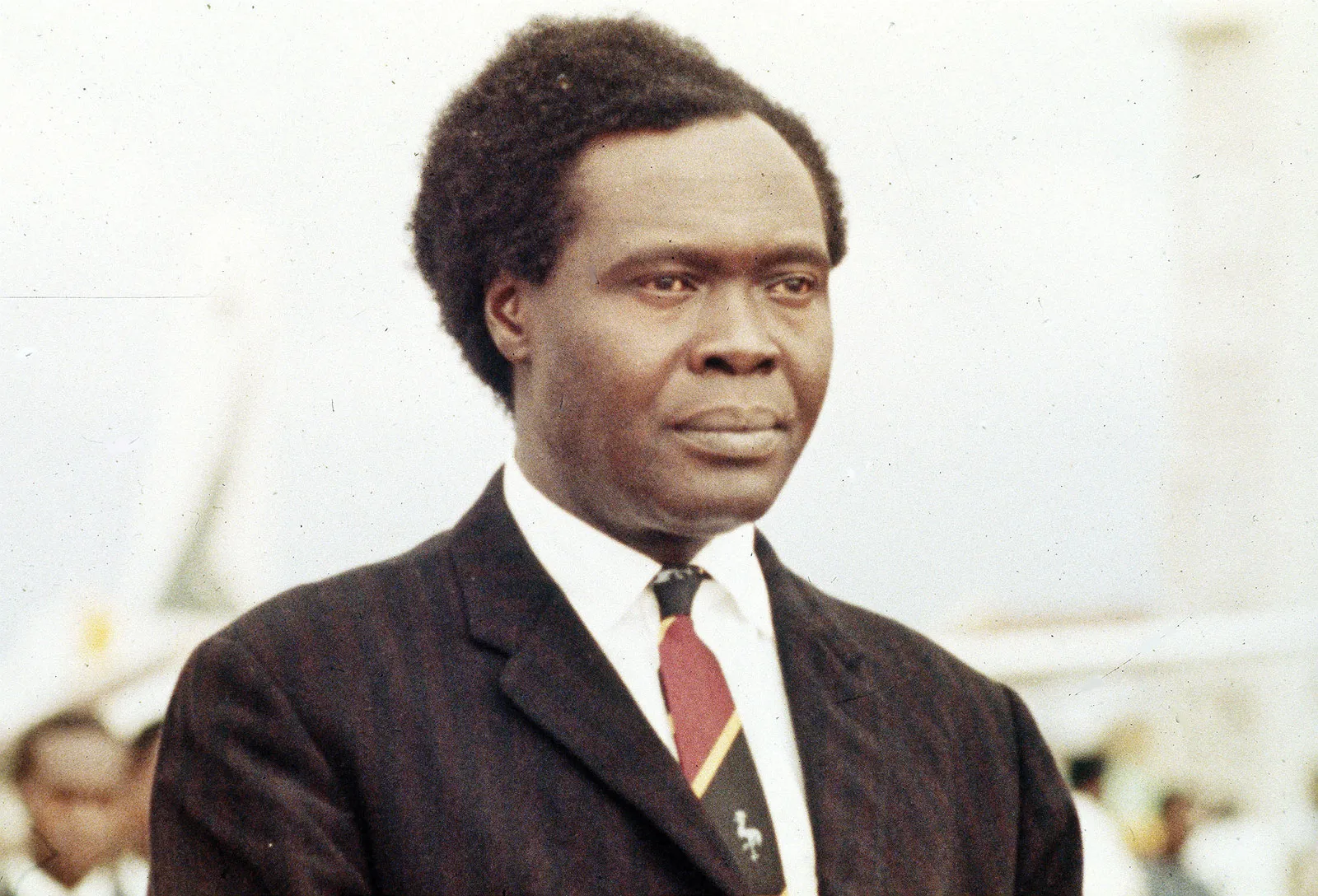
On this day in 1985, President Milton Obote's second government was overthrown in a military coup led by General Tito Okello Lutwa and Brigadier Basilio Olara-Okello, ending nearly five years of Obote's return to power and marking another major turning point in Uganda's turbulent political history.
The coup was the culmination of months of deep divisions within the Uganda National Liberation Army (UNLA), where tensions between Lango officers loyal to Obote and Acholi officers had escalated into open mutiny.
In the early hours of the morning, then Vice President and Defence Minister Paulo Muwanga warned Obote that government forces had abandoned their positions and rebel troops were advancing on Kampala. Although Obote initially insisted he would remain at his desk, he was persuaded to flee before dawn.
Travelling in a small convoy, Obote narrowly escaped capture after his personal physician, Dr Henry Opiote, convinced soldiers at roadblocks that the vehicles were on an official mission. The convoy crossed into Kenya through Busia at around 6am before Obote eventually went into exile in Zambia.
By mid-morning, Acholi-led troops had entered Kampala. Heavy gunfire echoed across the city as loyalist forces mounted brief resistance, but by early afternoon the capital had fallen. Radio Uganda interrupted normal programming to announce that the Obote II government had been overthrown, and later that day General Tito Okello addressed the nation, declaring victory.
The days that followed were marked by widespread lawlessness as undisciplined soldiers looted businesses, government offices, homes, and banks. Foreign embassies tightened security, with several diplomatic missions beginning evacuations of non-essential staff.
Two days later, on July 29, General Tito Okello was sworn in as Head of State and Chairman of the Military Council, while Brigadier Basilio Olara-Okello became Chief of Defence Forces.
The new regime called for a coalition with rebel groups, including Yoweri Museveni's National Resistance Army (NRA), but the offer was rejected.
The instability unleashed by the July 27 coup ultimately paved the way for the NRA's capture of Kampala and Museveni's rise to power in January 1986, bringing an end to the Okello military government after just six months.
