
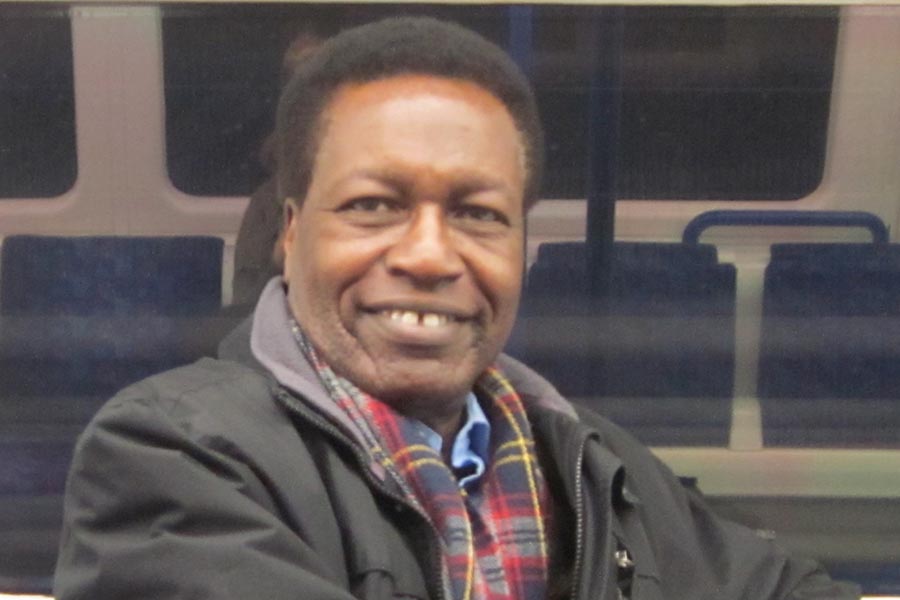
Cynics and their brigade commanders will urge their foot soldiers on social media to dismiss the announcement that Uganda has nominated Ambassador Olara Otunnu for the position of United Nations Secretary-General as President Museveni's latest act of gesture politics aimed at appeasing the Acholi people (Nile Post, July 26, 2026).
Realists, however, will regard the announcement as the latest in a long line of evidence that President Museveni practices what he has consistently preached about national reconciliation.
Several examples support this argument.
General Moses Ali was accorded a state funeral and honoured as a national hero last week despite having been arrested and detained in April 1990 over allegations that he possessed arms as part of a plot to overthrow President Museveni's government.
In April last year, President Museveni announced plans to spend trillions of shillings on constructing a permanent monument in memory of West Nile rebels who fought against the NRM government.
In May 2025, the President met the mother and other close family members of former rebel leader "Hitler" Erugu. For those who may have forgotten, Erugu led scorched-earth military operations in the Teso sub-region. Hundreds of thousands of innocent people were reportedly killed, while many others were displaced into camps where harsh living conditions claimed even more lives.
The region also suffered severe economic devastation. Teso's social and economic backbone—its cattle—was looted and consumed by both Erugu's fighters and government troops, leaving communities in unprecedented poverty.
Despite these atrocities, President Museveni told Erugu's family that, had their son survived the government's counter-insurgency operations, he would have appointed him a minister.
Indeed, Musa Ecweru, another former rebel who survived the insurgency, was appointed minister and served in government for many years until he lost his parliamentary seat in the 2016 elections.
The late Anthony Kyakabale and Samson Mande, who were accused of belonging to the People's Redemption Army (PRA), also benefited from the government's reconciliation programme.
Chris Rwakasisi, the former security minister during the Obote II government, spent 27 years on death row after being convicted over the killing of National Resistance Army fighters. Today, he serves as a Senior Presidential Advisor on Special Duties.
Even Joseph Kony, the former Lord's Resistance Army leader whose insurgency devastated northern Uganda and turned what many once described as the "Acholi wonderland" into a humanitarian disaster, has had members of his family, including his wives and children, repatriated from the Central African Republic and resettled in Uganda.
If President Museveni could reconcile with former armed rebels and their families, why should anyone dismiss reconciliation with Ambassador Olara Otunnu—who never took up arms—as mere gesture politics designed to appease the Acholi people?
I only hope that Dr Kizza Besigye will also be allowed to walk this well-trodden road of reconciliation to freedom after spending nearly two years in detention without trial.
Why?
He has not been proven to have committed acts against national peace and security comparable to those attributed to General Moses Ali, Hitler Erugu, Musa Ecweru or Joseph Kony.
Let us support inclusive reconciliation and reject selective retribution.
One editorial note: the article expresses strong political opinions and includes factual claims about historical events and individuals. Before publication, it would be prudent to independently verify those factual assertions and dates, particularly where they relate to criminal allegations, casualty figures, legal proceedings, or government appointments.
