
By Ronald Amanyire
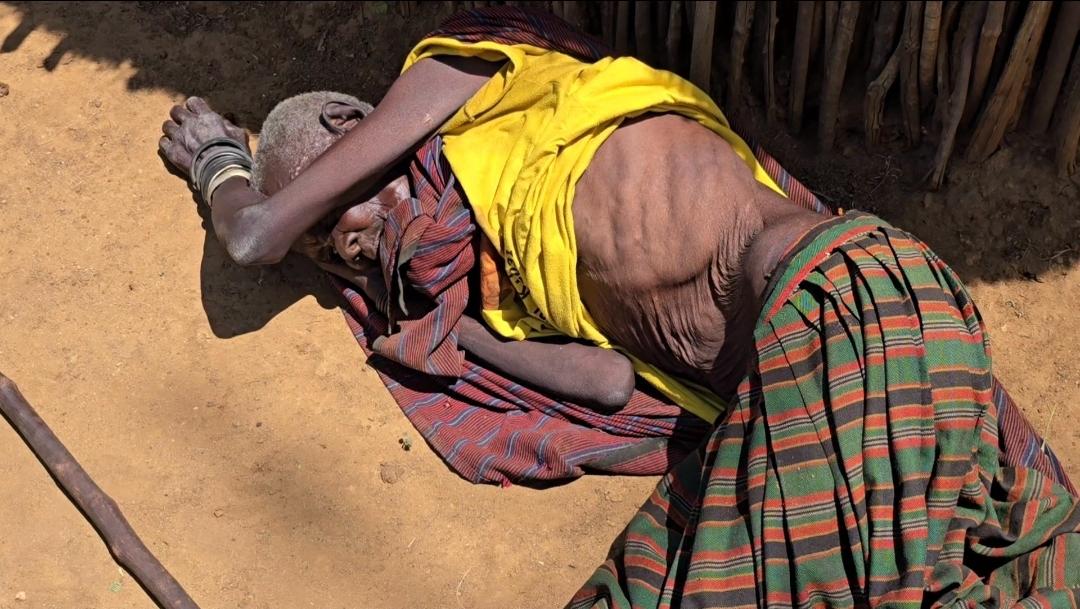
The Karamoja hunger crisis was not unforeseen. It was engineered and manufactured for personal benefit under the cover of “emergency expenditure." The facts make this impossible to deny.
Karamoja has 9 districts, each with an RDC. The Karamoja Parliamentary Caucus has 38 MPs. The region has 3 Cabinet Ministers. It is no longer “hard‑to‑reach”; paved roads now connect it to the rest of the country. These officials travel there regularly. They meet constituents. They know the terrain. They know the patterns. They know the risks.
So the idea that this famine “surprised” anyone is insulting. The Prime Minister Hon. Nabbanja announced a Shs45 billion intervention on July 15. Five days after the Ministry of Finance announced the quarterly release for FY 2026/27. Do the math. No need to wait for additional funding. It was already in the budget.
Uganda has a permanent Ministry of Disaster Preparedness. Hunger in Karamoja is not a new phenomenon; it is historically the most famine‑prone region in the country. Mudslides did not create this ministry. Hunger in Karamoja did. Every factor behind this crisis was known and has always been known.
But somehow, the country that feeds supplies food over 2 million refugees, the country that is a net producer of food, the country that serves as a regional procurement hub for humanitarian operations, suddenly could not plan food Karamoja?
That is not incompetence. It is by design.
This is where corruption becomes forensic.
They saw the famine coming and kept quiet.
A crisis creates the perfect environment for overpriced food, cash purchases, and emergency procurement. Public Procurement & Disposal of Public Assets Authority (PPDA) cannot question emergency procurement; the law shields it. And the officials who benefit know this. They know that emergency procurement is the most lucrative loophole in government.
The Public Disposal and Procurement might as well be part of racket because this hunger crisis in Karamoja has taken place so many times to have escaped their scrutiny.
They also know suppliers will not give food on credit. They know IFMS ties funds to LPOs. They know suppliers can take those LPOs to the bank for instant cash. They know the cycle: Inflate➡️Buy➡️Deliver➡️Share➡️Repeat.
The situation is not a humanitarian failure. It is one of the many planned extraction scheme kind of corruption. The hunger crisis is not a tragedy. It is a corruption business model.
And the most damning part?
Every institution that should have prevented it: RDCs, MPs, Ministers, the Disaster Ministry, district leadership looked away. Not because they were blind, but because the crisis was politically and financially convenient at the expense of human suffering and despair.
So yes, the Karamoja hunger crisis was created.
Not by drought.
Not by poor harvests.
Not by fate.
It was created by institutional failure weaponised for personal gain.
Ronald Amanyire is a concerned Ugandan
