
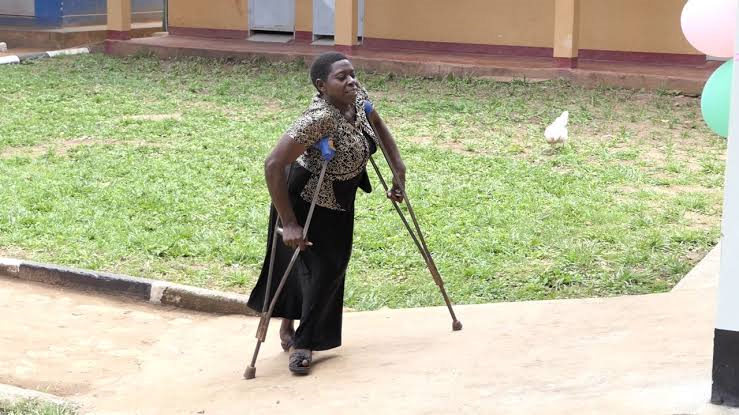
KAYUNGA — Parish Development Model (PDM) officers in Kayunga District have been directed to prioritise youth and Persons with Disabilities (PWDs) during beneficiary selection to improve their livelihoods and promote inclusive economic development.
The directive was issued by Kayunga District Production Officer Charles Iga, who said the two groups remain underrepresented among PDM beneficiaries despite accounting for a significant share of Uganda's population.
Iga said the Parish Development Model was established to move households from subsistence farming into the money economy, but warned that the programme's objectives would not be realised unless vulnerable groups were deliberately targeted.
"Youth and Persons with Disabilities make up a large percentage of our population, yet many of them have not benefited enough from the Parish Development Model. PDM officers should ensure they are prioritised so they can improve their livelihoods and become economically independent," Iga said.
He said increasing youth participation in income-generating enterprises would help reduce unemployment, while extending support to PWDs would promote self-reliance and reduce poverty among vulnerable households.
Iga urged PDM implementers to guide beneficiaries towards viable enterprises, closely monitor the utilisation of funds and provide continuous technical support to improve the sustainability of funded projects.
"We want beneficiaries to invest wisely in productive activities that generate income. Proper guidance and monitoring are essential for the success of the programme," he said.
He also called on local leaders and parish chiefs to ensure that beneficiary selection is transparent, inclusive and free from discrimination or political interference.
According to Iga, prioritising youth and PWDs will strengthen household incomes and contribute to Kayunga District's broader socio-economic transformation.
The Parish Development Model, launched by the government in February 2022, is Uganda's flagship local economic development strategy aimed at lifting the 39 percent of households previously trapped in the subsistence economy into the money economy.
The programme channels revolving funds directly to parish-level SACCOs to finance income-generating activities while integrating other pillars such as agricultural extension, infrastructure, financial inclusion and data management.
Each eligible beneficiary is entitled to access a revolving loan of up to Shs1 million through their parish SACCO to invest in enterprises such as crop farming, livestock, poultry, fisheries and other viable businesses.
The government has repeatedly urged local leaders to ensure the funds reach the intended beneficiaries and are invested in productive ventures that can generate sustainable household incomes.
