
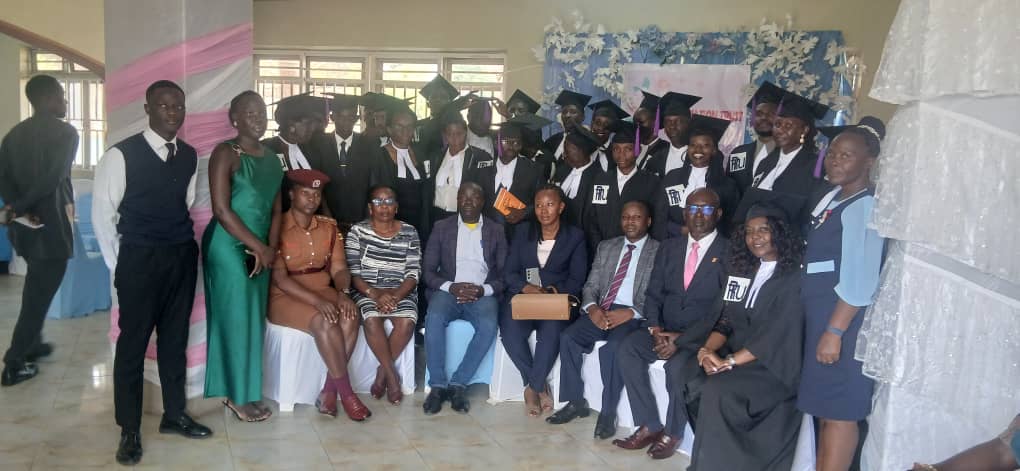
A new group of community mediators has graduated after completing a one-year professional training programme designed to strengthen alternative dispute resolution and help reduce the growing backlog of cases in Uganda's courts.
The mediators were trained by Reconciliation Trust International and officially certified during a graduation ceremony held at Garden City in Mityana. The programme equips community leaders with practical skills to resolve disputes through mediation before they escalate into formal court proceedings.
Representing the Mityana Chief Magistrate, Magistrate Grace Wakooli challenged the graduates to serve their communities with integrity, fairness and compassion, stressing that mediation is a public service rather than a commercial venture.
“Many vulnerable people cannot afford the costs associated with court processes. As mediators, you have a responsibility to help them access justice fairly and without exploiting their situation,” Wakooli said.
She urged the graduates to remain honest and impartial, warning that they could encounter attempts to influence their decisions through financial inducements.
“You must remain truthful and independent. Do not allow money or personal interests to compromise justice. The trust that communities place in you must always come first,” she added.
Officials said the mediation programme is expected to reduce pressure on the judiciary by enabling minor civil, family and community disputes to be settled outside court, allowing judicial officers to focus on more complex cases.
Representing the Uganda Prisons Service in Mityana District, Nakabugo Olivia welcomed the initiative, saying effective community mediation could help prevent unnecessary imprisonment by resolving conflicts before they escalate into criminal or prolonged legal matters.
“Many people end up in prison because conflicts are left unresolved. Mediation offers an opportunity to settle disagreements early, reducing both court congestion and prison populations,” she said.
The Office of the Resident District Commissioner was represented by Assistant RDC Chrysostom Buyondo Waswa, who commended Reconciliation Trust International for promoting access to justice at the grassroots level.
“This programme complements government efforts to promote peace and justice. Communities need trained mediators who can resolve conflicts before they become costly legal battles,” Buyondo said.
He encouraged the graduates to uphold professionalism, confidentiality and fairness as they begin serving their communities.
Religious leaders also welcomed the initiative. Pastor Johnstone Makumbi of Mityana Miracle Centre urged the graduates to use their newly acquired skills to promote reconciliation and restore harmony in families and communities.
“Your training is a gift that should transform lives. Use these skills to unite people, heal relationships and strengthen harmony in society,” Makumbi said.
Some of the newly certified mediators expressed appreciation for the training, saying it had equipped them with practical skills in conflict resolution, negotiation and reconciliation. They pledged to apply the knowledge responsibly to help resolve disputes peacefully and reduce the number of cases reaching the courts.
The graduates said they believe strengthening community-based mediation will improve access to justice, promote peaceful coexistence and contribute to a more efficient justice system by easing the burden on courts across the country.
