
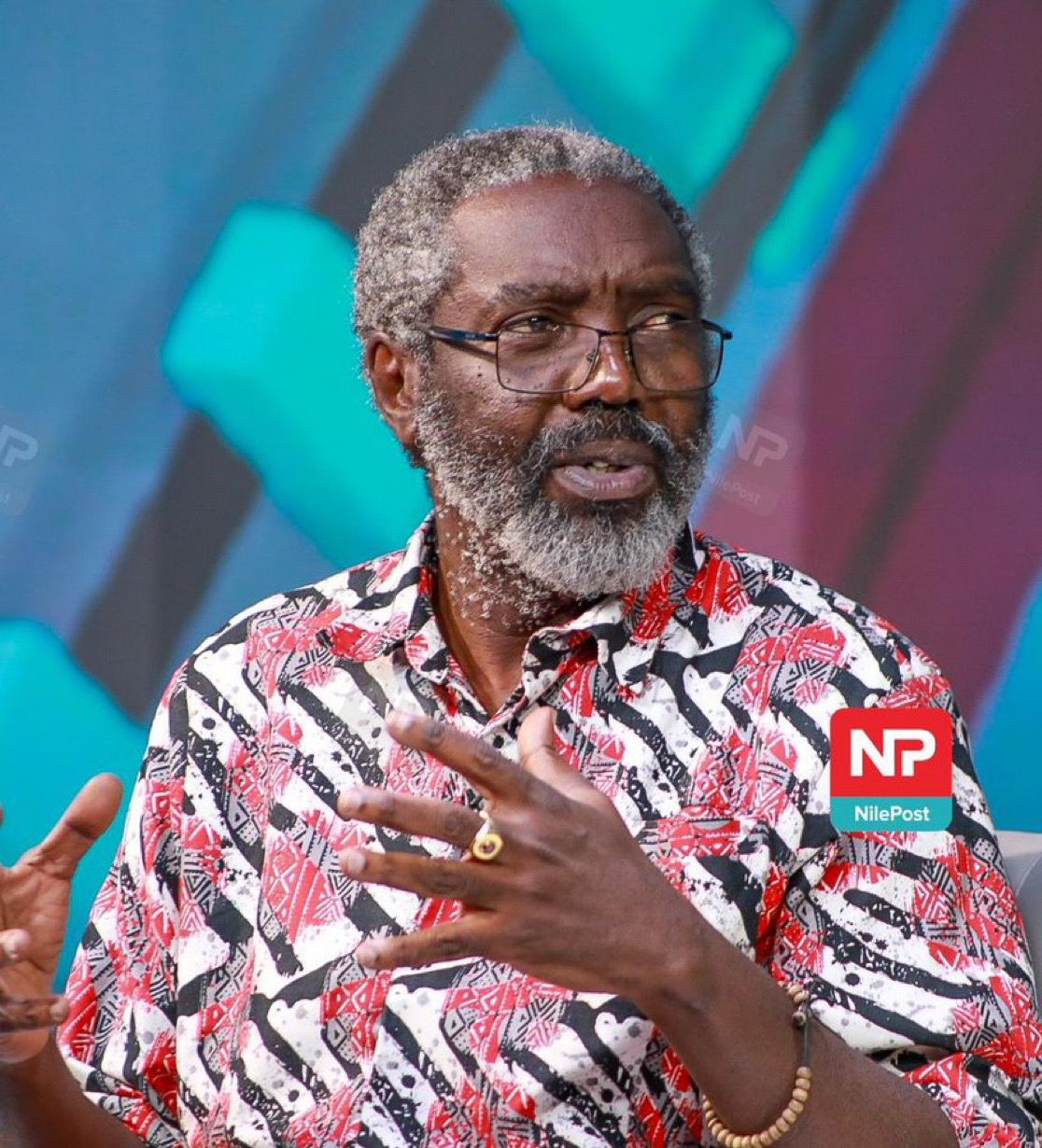
UPC President Jimmy Akena has spoken publicly for the first time about the defeat of Government Chief Whip Denis Hamson Obua in the Ajuri County parliamentary by-election, attributing the loss to what he described as “forces from the state” rather than personal or local political grievances.
Speaking at a local radio station in Lira, Akena said he bears no ill will toward Obua, the National Resistance Movement (NRM) Vice Chairperson for Northern Uganda, insisting that the outcome of the hotly contested race went beyond the dynamics within Ajuri County.
“I don’t hold grudges and I cannot hold Hon. Hamson Obua because what happened was from the state,” Akena said. “For me, my politics ends with elections.”
The Ajuri contest concluded with a tense Electoral Commission-ordered re-run on January 27, 2026, in 18 polling stations.
UPC candidate Fred Jalameso, a school teacher, narrowly defeated Obua with 16,336 votes against Obua’s 15,568, bringing to an end the Chief Whip’s tenure in Parliament.
During the campaigns Akena took a hands-on role , temporarily shifting focus from internal UPC matters, including the party’s contest for Lira City, to personally lead mobilisation efforts in Ajuri.
Under his coordination, UPC rallied supporters from across Lango and beyond, drawing activists from Kampala, Gulu and neighboring districts.
The campaign was marked by intense village-level mobilisation, strategic coordination among opposition forces, and allegations of vote-buying, including claims that cash inducements of up to Shs30,000 per voter were offered.
Akena declined to comment directly on the allegations, instead emphasizing what he called the decisive role of “the state” in shaping the contest.
Obua entered the race with a strong development record, citing achievements such as the construction of seed secondary schools, upgraded health centres, improved water access, deployment of ambulances, rural electrification projects, and the provision of agricultural machinery.
However, these gains were ultimately insufficient to secure victory in the tightly fought re-run.
Akena’s remarks echo claims by some local leaders and residents who alleged irregularities during the electoral process, including interrupted tallying and premature media announcements of results. Electoral authorities have not substantiated these claims.
Obua’s defeat adds to a growing trend in the Lango sub-region, where several high-profile NRM figures have recently lost seats amid a resurgent opposition.
Analysts say the Ajuri result underscores the shifting political landscape in northern Uganda, where alliances, strategic coordination and broader power dynamics increasingly shape electoral outcomes.
