
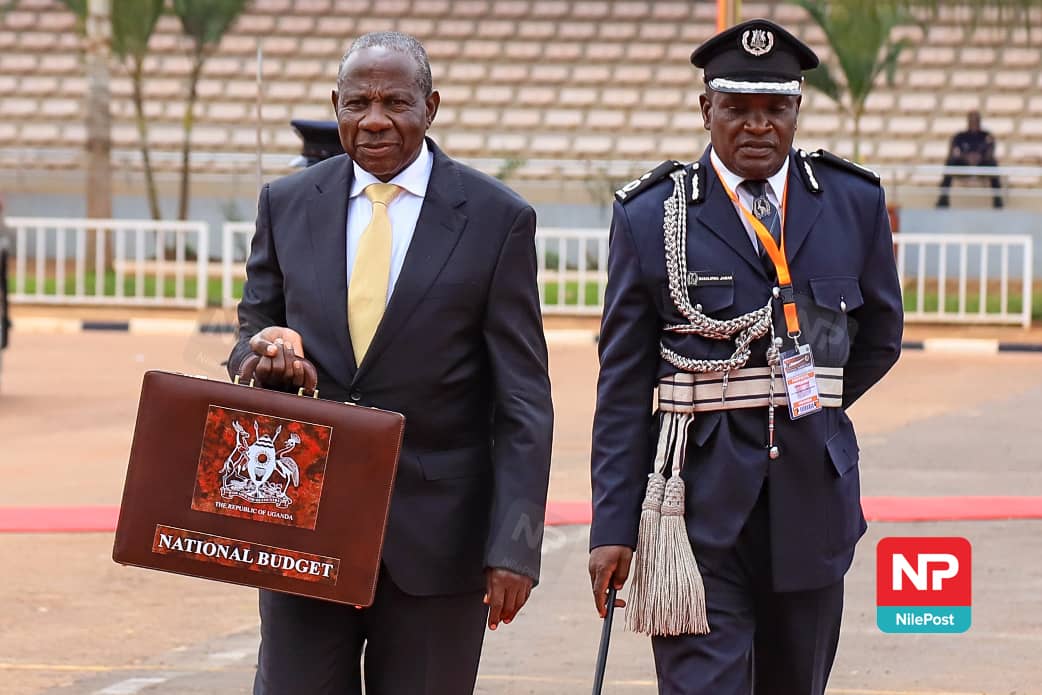
Kampala — Uganda’s 2026/27 financial plan signals a notable fiscal pivot, with government spending projected at Shs69.4 trillion — a reduction of about 4.1% from the previous year.
The Finance Ministry says the cut aims to improve debt sustainability and reduce interest payments that otherwise crowd out essential public services.
For many Ugandans, the immediate concern is whether smaller public spending will slow down delivery of health care, education, and other services.
Officials insist that priority funding will remain targeted at major infrastructure projects, including oil sector development, mineral quantification, and transport networks, as well as programs to stimulate private sector growth.
While this focus may safeguard construction jobs and supplier contracts, recurrent services like local government operations, schools, and health centres could face pressure if budgets are tightened.
The government plans to cut domestic borrowing through reduced Treasury bill and bond issuance. By lowering competition with private borrowers for domestic savings, this move could ease upward pressure on interest rates and support small businesses seeking local financing.
However, the practical impact depends on the scale of borrowing reductions, any compensatory external financing, and how banks reallocate credit.
Uganda’s public debt has surged in recent years, prompting this tighter fiscal approach to stabilize debt servicing costs.
If recurrent expenditures are disproportionately affected, citizens may face slower service delivery and strained local administration.
Conversely, improved debt sustainability could free up future budgets from high interest payments, supporting private investment and creating jobs in agriculture, tourism, and mining sectors.
The ultimate outcome will hinge on execution: where cuts are applied, and whether the government implements reforms to enhance efficiency and service delivery.
For ordinary Ugandans, the budget shift is both a caution and an opportunity — offering hope for a more sustainable fiscal path while demanding vigilance over immediate impacts on essential services.
