
In the first, a sub-editor leans over a laptop, refusing to let a story run until a second source confirms it. The rhythm is old and unglamorous: verify, attribute, hold the line. Nothing goes out until it has earned the right to.
In the second, a twenty-four-year-old in a ring-lit corner of her bedroom hits publish on a three-minute video that will reach more Ugandans before lunch than that newspaper reaches all week. No sub-editor. No second source. Only an audience that trusts her more than the evening news.
We see these rooms as rivals: one has the credibility, the other the crowd. Yet both serve the same people, who want the facts and what they mean. The Washington Post warns that democracy dies in darkness. I would add that it dies only if journalists and creators stand by the light switch.
The future of public discourse in this country, and across the continent, depends on getting newsrooms and digital creators to sit down and talk. That is the work behind Next Creata, the Next Media programme I help run to professionalise the creator ecosystem — to treat creators not as a threat, but as colleagues journalism has yet to train.
Be honest about what each lacks. Trust in legacy media has eroded for years, steeper still among the young, who form their view of the world inside TikTok and Instagram. A profession built on reaching people is failing to reach those who will inherit the country.
Creators have the opposite affliction. They own the reach, the intimacy, the formats that hold attention. What they lack is the scaffolding underneath: how to verify a claim before amplifying it, how to handle a sensitive source, how to survive when the algorithm turns overnight. Reach without rigour is a well-packaged rumour. Rigour without reach is a truth that dies in silence.
So the question is not who wins, but what each can teach the other. Journalists offer disciplines that take years to build and seconds to lose: fact-checking, attribution, data literacy, the ethic of doing no harm. They know a claim is not a fact, that a correction is a duty, not a humiliation. Creators offer what no media college teaches: platform fluency, cultural relevance, speed, and a bond with an audience that feels less like broadcasting than belonging.
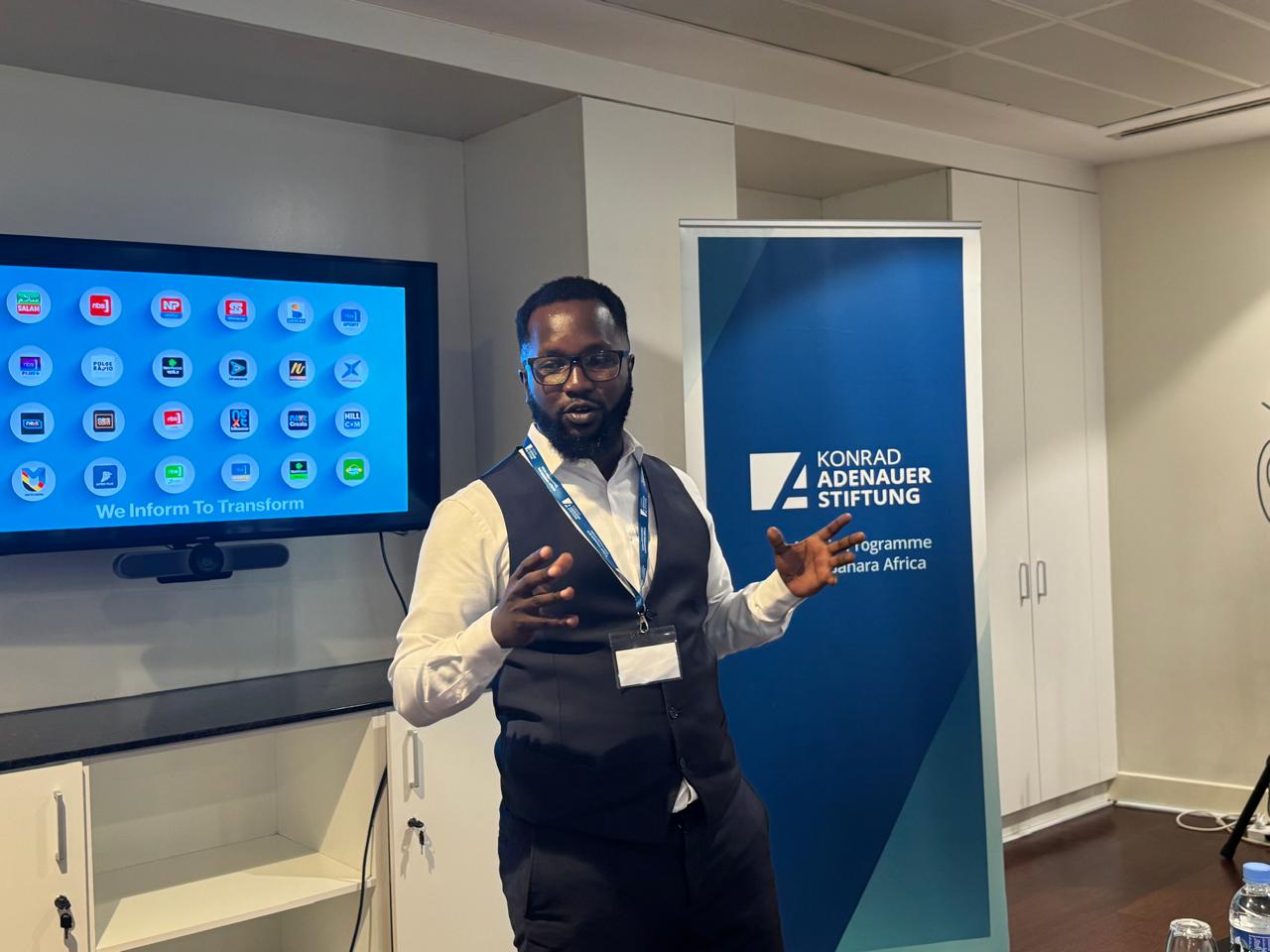
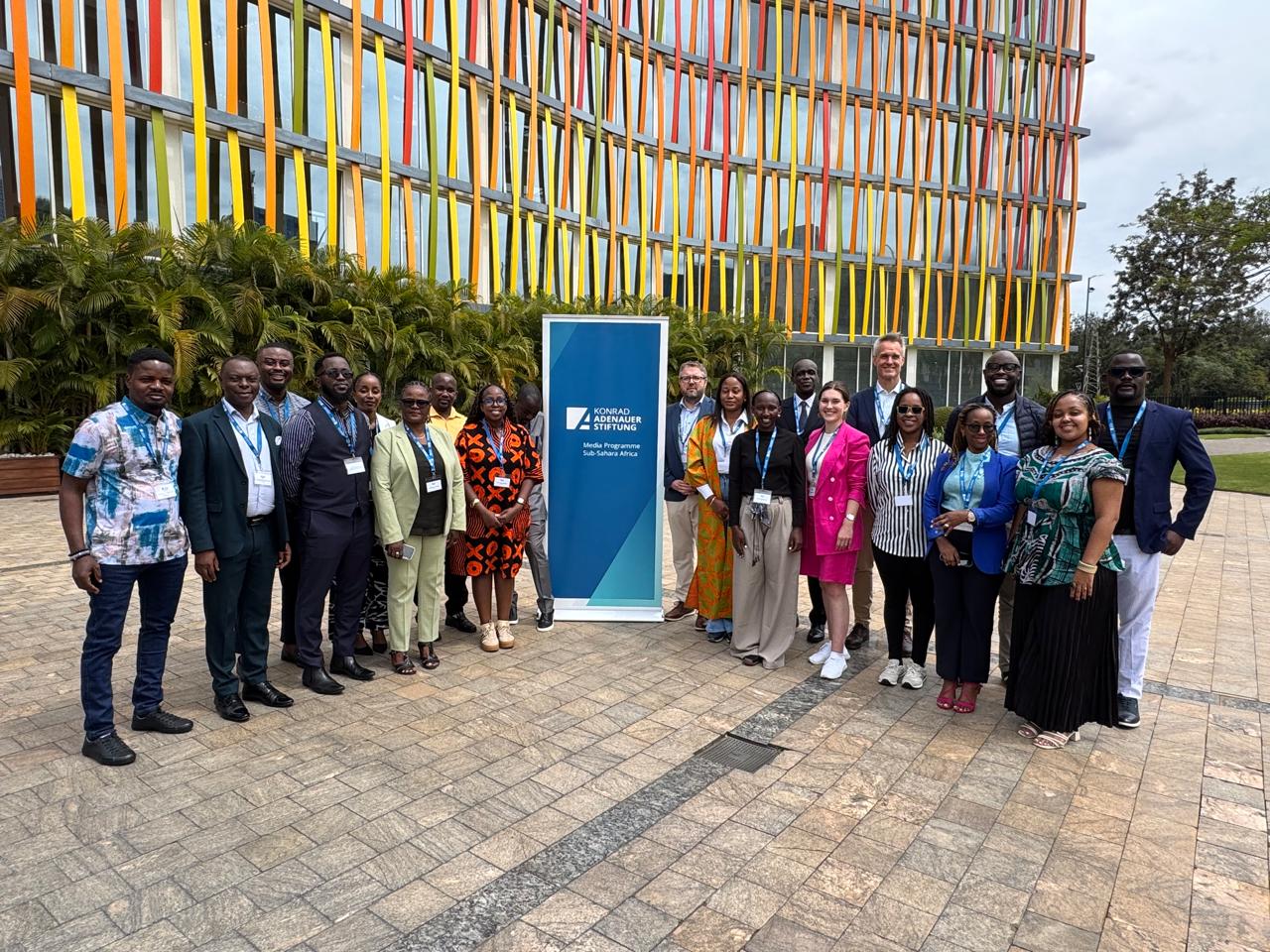
In June, courtesy of the Konrad Adenauer Stiftung’s Regional Media Programme, I spent five days in Kigali with journalists and creators from Uganda, South Africa, Kenya, Senegal and Rwanda, circling one question: how can these worlds work for both?
There, I met Pauline Nambosa, who teaches AI filmmaking. A journalist often needs to reconstruct a scene that can no longer be filmed, an event already past — the creator’s craft serving the journalist’s story.
The friction is real: speed versus accuracy, the post that must go now versus the claim checked first. Bridging it takes five concrete things. Shared facilities. Agreed standards. Training on both sides. Joint resources. And a real workflow for tips to travel from creators to journalists.
This is the gap Next Creata was built to close. Through hubs across the country, with deliberate gender balance, it turns content creation into structured, dignified, viable careers that sit alongside a broadcaster’s journalism rather than against it.
The stakes are bigger than media. Deepfakes and disinformation are opening a trust vacuum, and nature abhors a vacuum: when credible information has no reach, the loudest, least accountable version fills the gap. If verified reporting cannot travel where people live, verification becomes a private luxury rather than a public good that democracies depend on.
So, the invitation. To media houses: open your standards and your newsrooms; train creators, and let them train you. To donors: the highest-leverage investment is no longer a standalone newsroom or isolated boot camp, but the connective tissue between them. To the platforms: you built the roads, so reward what deserves to travel on them.
The newsroom and the studio have pretended too long to be different industries. They are two halves of one job, keeping the public informed and together. The sooner they build in the same room, the better our chances of getting the next decade right.
