
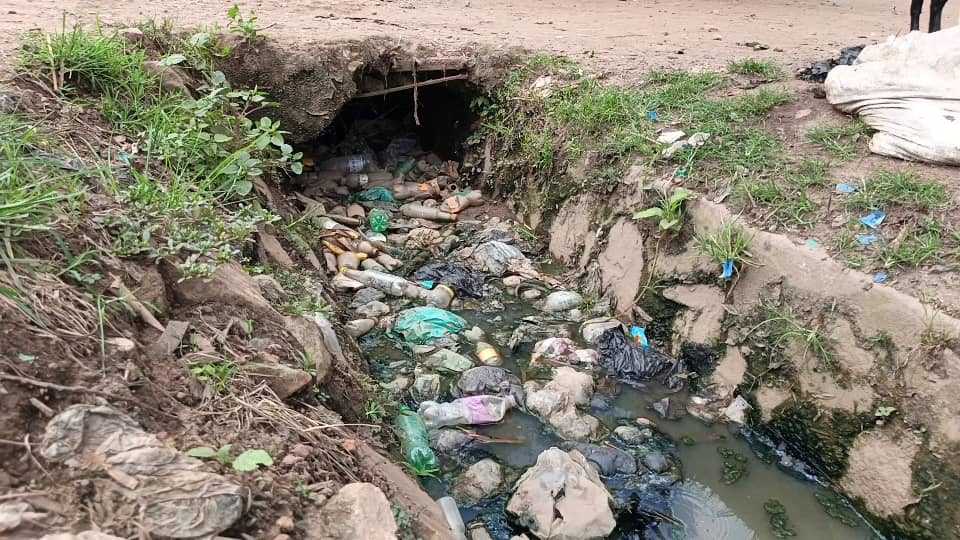
Environmentalists in the Rwenzori region have raised concern over poor solid waste management, especially the increasing disposal of plastic waste, warning that it poses a serious threat to the environment and public health.
Officials from the Albertine Water Management Zone under the Ministry of Water and Environment say plastic pollution remains a major challenge in towns and trading centres across the region, with littering continuing despite ongoing environmental awareness campaigns.
Speaking on the matter, Samuel Tusiime Tinkasimire said plastic bottles and other non-biodegradable waste are increasingly being dumped around bars, shops and public spaces.
“Plastic waste remains one of the biggest environmental threats in our urban centres because it is non-biodegradable and poorly managed,” Tinkasimire said. “We still see careless disposal of plastic bottles near bars, shops and along roadsides despite continuous sensitization efforts.”
He warned that poor waste disposal practices are contributing to environmental degradation and called on local governments to strengthen waste management systems.
“We urge town councils, municipalities and city authorities to develop strategic and sustainable waste management plans to address the growing problem of plastic pollution,” he added.
Tinkasimire also appealed to development partners and environmental stakeholders to intensify community sensitisation on proper waste disposal and recycling practices.
On the continued use of plastic packaging by beverage manufacturers, he called upon factories to adopt safer and reusable alternatives.
“Factories should embrace environmentally friendly packaging options such as glass bottles to reduce the amount of plastic waste released into the environment,” he noted.
According to the 2024 report by Uganda Bureau of Statistics, more than 9.1 million households — representing about 91.6 percent of the population — dispose of solid waste improperly through burning or dumping it in gardens, bushes and pits.
The report further indicates that only about 8 percent of Ugandans have access to basic waste collection services, highlighting the scale of the country’s waste management challenge.
Environmentalists warn that failure to address plastic pollution could have long-term effects on water sources, soil fertility, biodiversity and public health, particularly in environmentally sensitive regions such as Rwenzori and the greater Albertine area.
Authorities are now urging communities to embrace responsible waste disposal habits as efforts to protect the environment continue across the region.
