
NORTHERN UGANDA — Farmers across Northern Uganda are counting heavy losses after a prolonged drought devastated crops, raising fears of food insecurity and renewed calls for improved weather forecasting and investment in irrigation.
Many farmers who planted maize, sorghum and soybeans at the onset of the first planting season say their crops withered after rains that began in early April were followed by nearly two months of little to no rainfall.
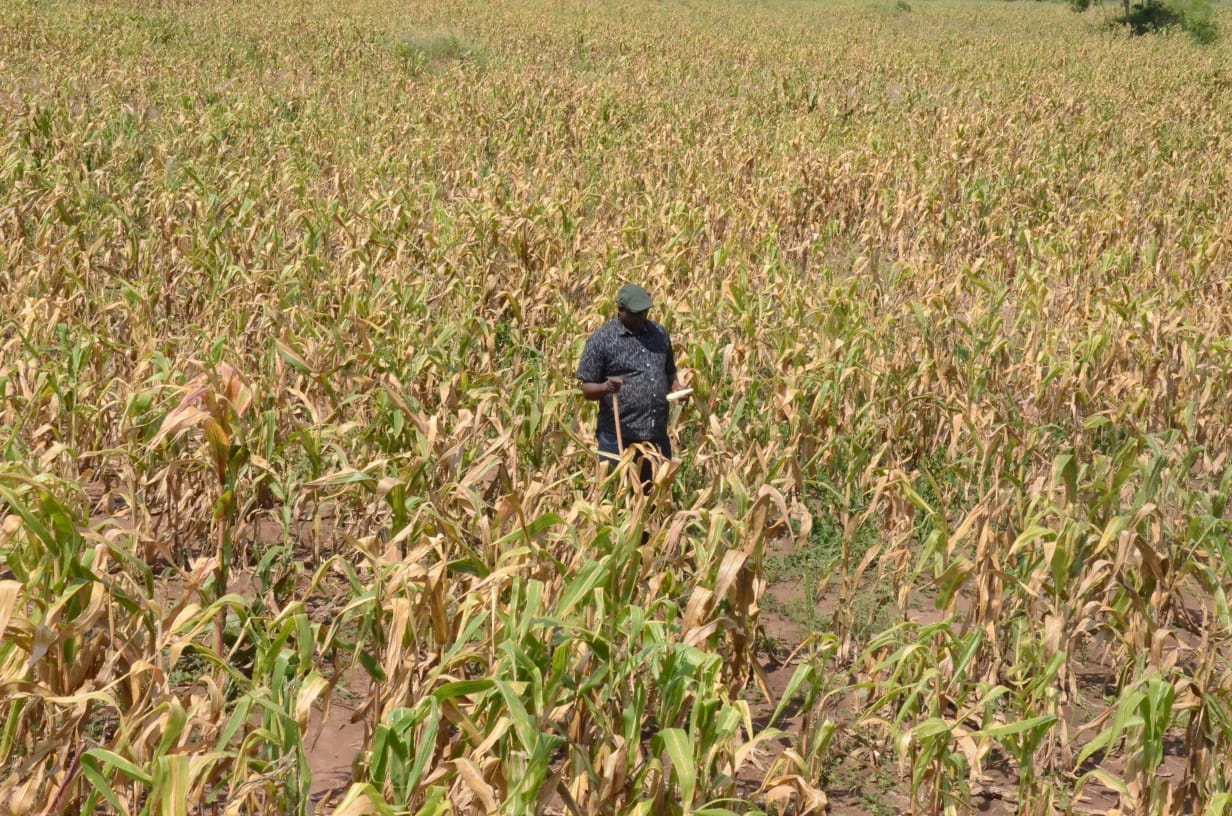
In Amuru District, farmer Pascal Osire said he invested heavily in anticipation of a bumper harvest but has instead watched much of his crop dry up.
"It is a painful moment for me as a farmer. The maize got burnt very badly by the sunshine that came," Osire said, adding that farmers had relied on weather guidance from government.
"We heavily depended on the government advice," he added.
An aerial view of Osire's farm shows vast fields of maize stretching across approximately 50 acres. However, a closer inspection reveals withered crops, many of which failed to mature because of the prolonged dry conditions.
Osire said he invested Shs47 million in cultivating about 100 acres and had expected to earn nearly Shs250 million from the harvest. He now fears he may recover less than Shs20 million.
"We expected to harvest about 1,800 kilograms per acre and that would give us about 90,000 kilograms of maize, but when I look at this farm I feel like shedding tears," he said.
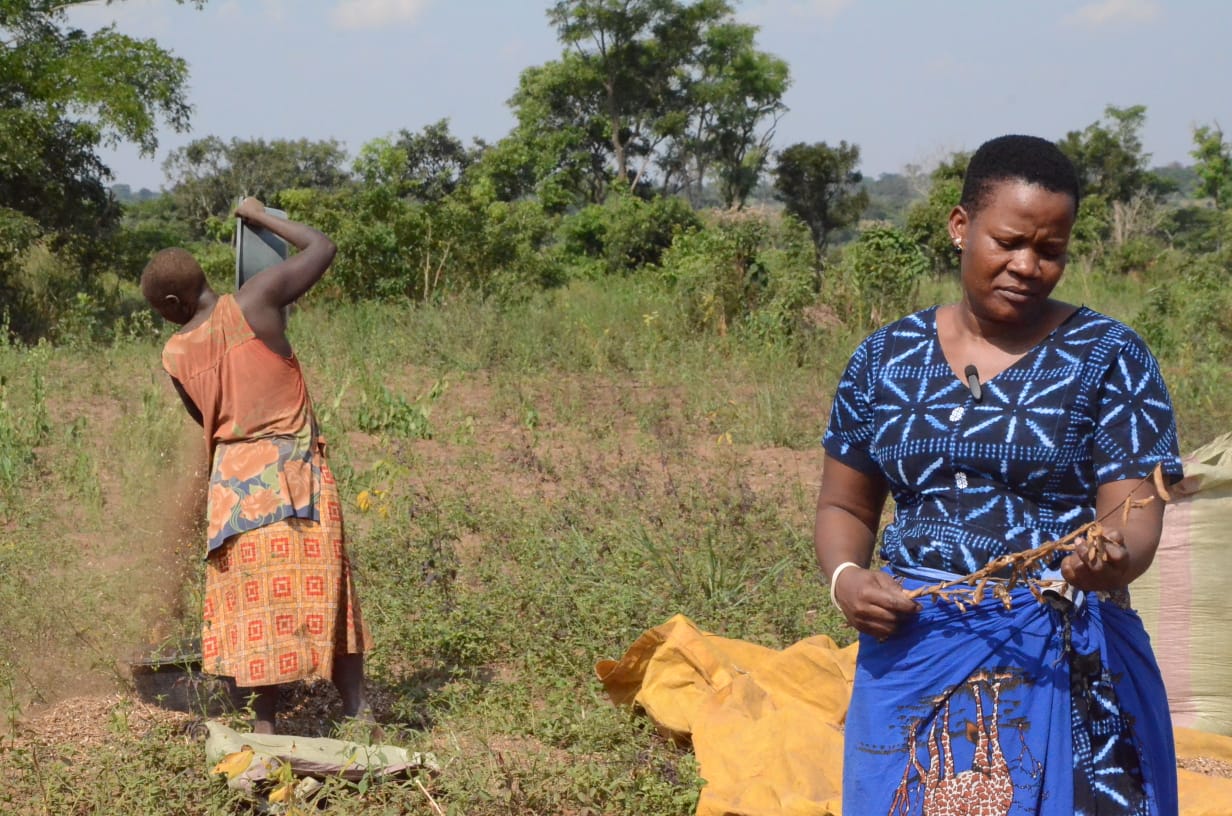
Soybean farmer Charity Lamunu has also suffered significant losses. She said she had expected to harvest about 40 bags but now estimates that she may realise no more than 10 bags because of the drought.
Osire, who also planted sorghum, called on President Yoweri Museveni to investigate the performance of the Meteorology Department under the Ministry of Water and Environment, questioning the accuracy of its seasonal weather forecasts.
"Do they have the right machines, are they guessing in their work, or should the UPDF take over? Those are the questions they will need to answer for us the farmers because the entire Northern and parts of Eastern Uganda sunshine has burnt crops and there is hardly any food," he said.
The prolonged dry spell has also affected water supply in urban areas.
In Arua City, residents have experienced intermittent water shortages over the past month after water levels in River Enyau dropped significantly.
Walter Akena, a resident of Arua City, said the declining river levels had disrupted water production.
"We've experienced water shortage because the National Water and Sewerage Corporation relies mainly on River Enyau to pump and supply water to the residents of this city and every time there is a prolonged dry spell, the water levels drop and it affects supply," he said.
The West Nile Development Association has warned that increasingly unpredictable weather patterns could worsen food insecurity if long-term adaptation measures are not implemented.
Its Executive Director, Moses Akuma Odims, called for expanded afforestation programmes and increased government investment in irrigation infrastructure to help farmers cope with changing climatic conditions.
"People planted in the first season but it was a disappointment. Our appeal to government is that the region is turning to cocoa and coffee growing. Continue supporting the region with drought-resistant crops and water for production, meaning irrigation schemes," Odims said.
He also appealed to the private sector to avoid exploiting communities facing food shortages by unfairly increasing prices.
The concerns come as Parliament approved Shs9 billion for the Meteorology Department in the 2026/27 financial year as part of the Ministry of Water and Environment's overall budget allocation of Shs1.013 trillion.
