
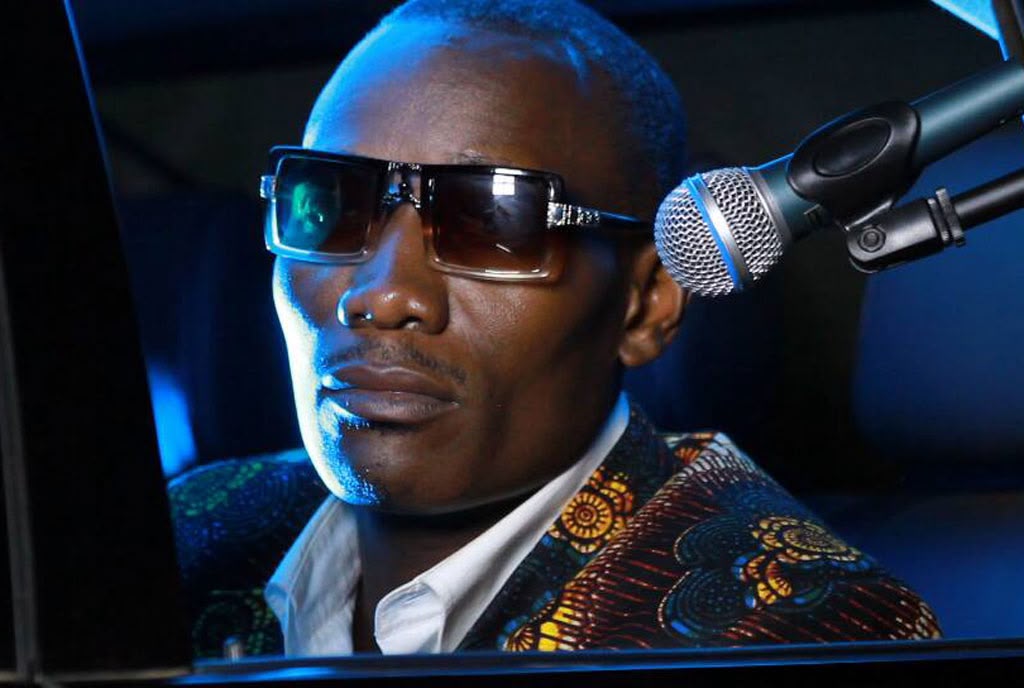
Uganda Performing Rights Society (UPRS) Board Chairperson Martin Nkoyoyo has urged musicians to stop criticising the society on social media and instead participate in its Annual General Meeting (AGM), saying it is the only forum where members can influence decisions.
Speaking at the UPRS Annual General Meeting, Nkoyoyo described the AGM as the society’s highest decision-making organ, where members approve or reject proposals presented by the board and management, review performance and determine the organisation’s direction.
“This is the topmost organ of the organisation. It is where the management and board bring their proposals for the new year for the membership to approve or disapprove and guide on the way forward,” he said.
Nkoyoyo said the board also uses the meeting to account to members on its achievements, challenges and plans, before members collectively agree on solutions.
He dismissed suggestions that established musicians hold greater influence within UPRS than emerging artists, saying all members enjoy equal rights and responsibilities.
“There is nothing like a top musician or an upcoming musician. We have equal share and equal responsibility,” Nkoyoyo said.
He noted that royalty payments are based on the performance and use of an artist’s music rather than their popularity.
“An upcoming artist can get more money than an established artist if they take on their responsibility and their music performs well,” he said.
Nkoyoyo also defended the legitimacy of decisions taken at the AGM, saying the society’s constitution requires a quorum of only 100 members for resolutions to become binding on the entire membership.
“Our rules say the quorum is 100 members. Once we ascertain the quorum, whatever we agree upon is binding on all the membership, whether you choose to come, boycott or stay away,” he said.
He likened the process to a national election, arguing that decisions made by those who participate are binding on everyone, regardless of voter turnout.
Nkoyoyo called on artists to take greater responsibility for the governance of the society by attending meetings instead of airing grievances online.
“It does not pay to rant and complain on social media, yet when you are called to the Annual General Meeting, the topmost organ of the organisation, you don’t show up,” he said.
He questioned the motives of members who repeatedly criticise UPRS but fail to attend meetings where issues can be debated and resolved.
“When we say come and let’s talk about it, that is where you decide whether something is right or wrong,” Nkoyoyo said.
The AGM brings together UPRS members annually to review the society’s performance, consider policy proposals and make decisions on the management of performers’ rights and royalty collections.
