
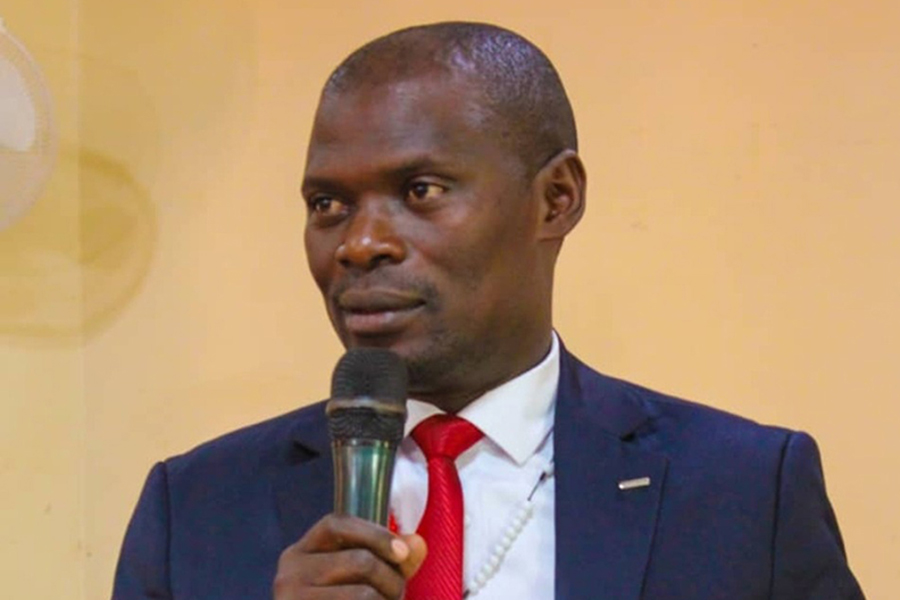
The Ministry for Kampala has appealed to the Judiciary to expedite the hearing of more than 200 election petitions filed against councillors elected to various Kampala Capital City Authority (KCCA) councils.
The petitions challenge the election of councillors to the City Hall Council and division councils, leaving their positions subject to court determination.
The ministry’s appeal comes after it suspended the affected councillors from accessing salary-backed loans from commercial banks, citing concerns over possible financial liabilities should some election results be overturned.
State Minister for Kampala Christopher Kabuye Kyofatogabye said government cannot allow councillors whose victories are being challenged in court to obtain loans against their salaries before their cases are concluded.
“We cannot allow councillors with pending election petitions to obtain salary-backed loans when the outcome of those cases is still uncertain. The courts should hear these matters quickly so that the status of the affected leaders is settled,” Kyofatogabye said.
The minister said only councillors whose election disputes have been concluded will be allowed to access salary-backed loans, explaining that the measure is intended to protect public resources.
He urged the Judiciary to prioritise the petitions to end uncertainty surrounding the leadership of Kampala’s councils.
The restriction on salary-backed borrowing follows another directive by the Ministry for Kampala suspending official foreign travel by councillors.
The ministry said the decision was informed by previous cases where some councillors travelled abroad shortly after elections and failed to return.
Officials cited instances where councillors travelled to destinations including Canada, the United States and some Middle Eastern countries, with some reportedly having secured salary-backed loans before leaving the country.
The ministry said the measures introduced after the 2026 general elections are aimed at protecting public funds, promoting accountability and ensuring elected leaders fulfil their responsibilities.
