
The Economic Policy Research Centre (EPRC) marked the 2024/25 fiscal year with a series of high-impact research achievements that directly influenced policy and legislation in Uganda.
Guided by the theme “Accelerating Sustainable and Productive Employment for Inclusive Economic Growth in Uganda,” the centre focused on initiatives that advance economic inclusion and improve livelihoods.
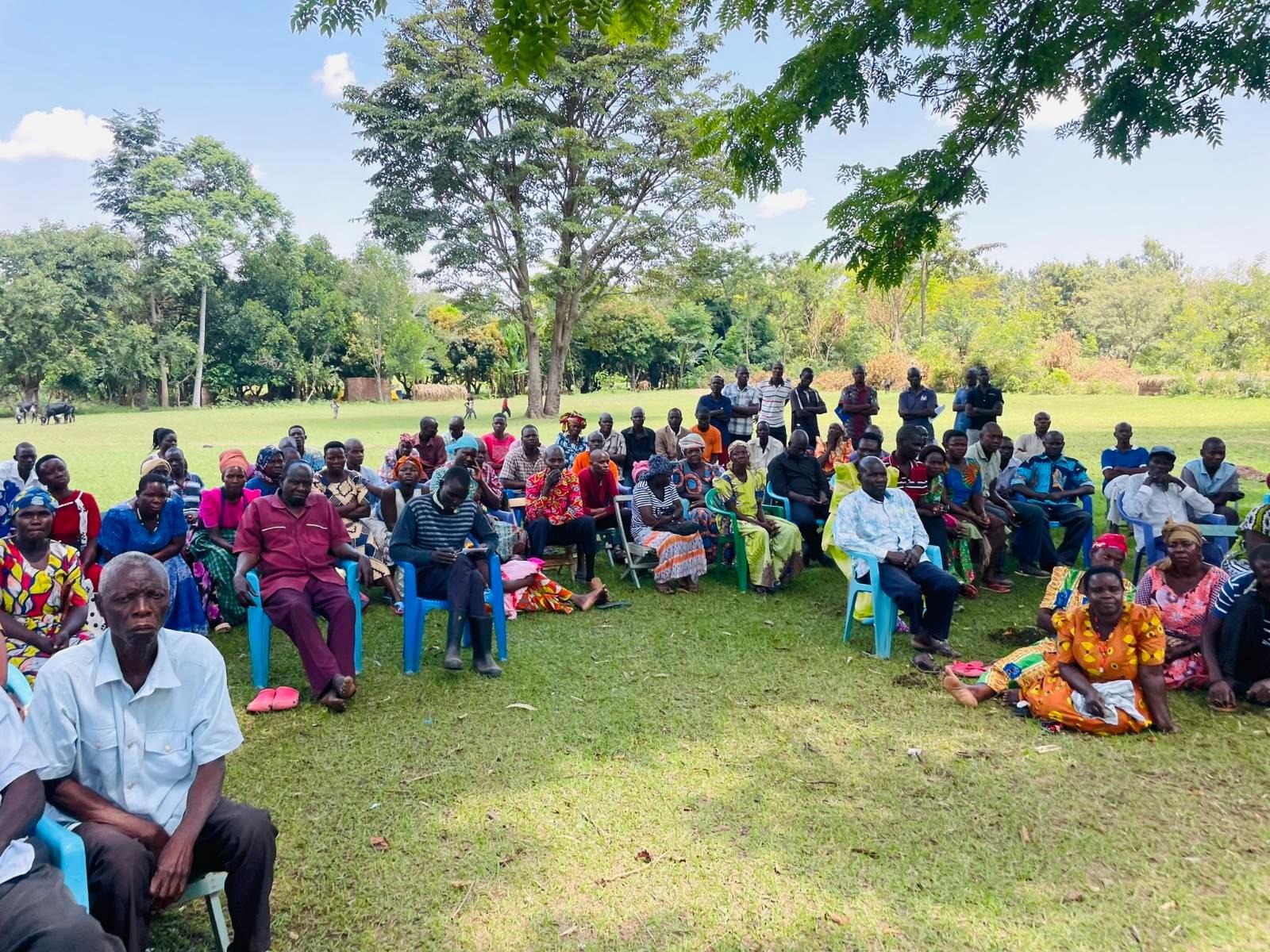
Among the centre’s most significant studies was an evaluation of the Parish Development Model (PDM) Uganda’s flagship anti-poverty initiative targeting 3.5 million households.
Designed to transform parishes into self-sustaining units, the PDM promotes economic empowerment, financial inclusion, social services, and community development through seven integrated pillars.
However, the EPRC report found that the program’s targeting has been largely ineffective. “Despite the program’s intent to focus on the poor, 63% of beneficiaries were relatively better off, while only 37% were poor,” the study states, raising concerns about whether the program is reaching its intended population.
The report further noted that “youth and persons with disabilities were underrepresented, missing the intended inclusion targets.”
The study did identify some successes. The Parish Revolving Fund, designed to provide credit to households, saw its disbursement time drop dramatically from 15 months to just 3 months following improvements in the payment system.
Additionally, “60% of beneficiaries accessed formal credit for the first time,” the report highlights, showing progress in financial inclusion.
Nevertheless, the report cautions that “weak integration across PDM’s seven pillars remains a challenge, with notable progress largely confined to the financial inclusion pillar,” indicating the need for better coordination across program areas.
EPRC presented these findings to the Ministry of Finance, prompting commitments to refine the PDM and consider funding a follow-up survey to address gaps in targeting and inclusion.
The report underscores that strengthening social protection programs is critical to ensuring that the most vulnerable populations benefit from government interventions.
Beyond the PDM, the report provided broader insights into Uganda’s poverty and inequality trends. Analysis of the 2023/24 National Household Survey revealed that “the share of Ugandans living below the national poverty line fell from 20.3% in 2019/20 to 16.4% in 2023/24,” reflecting a positive decline in poverty levels.
Income inequality also improved, with the national Gini coefficient dropping from 0.413 to 0.382, driven by gains in the Northern and Central regions.
However, EPRC cautioned that “due to population growth, the absolute number of people in poverty remains around 7 million, underscoring that many households are still vulnerable.”
While poverty rates have fallen proportionally, the number of households living in poverty has stagnated, highlighting ongoing challenges for policymakers.
The report concludes that “refining social protection programs like the PDM, improving targeting mechanisms, and strengthening coordination across pillars are critical to ensuring that the most vulnerable Ugandans benefit from government interventions.”
EPRC’s research is guiding policy discussions on broadening social protection, enhancing poverty targeting, and promoting inclusive economic growth.
By highlighting both successes and shortcomings, the report provides a roadmap for improving PDM’s effectiveness and ensuring that future interventions reach those most in need, reinforcing the importance of data-driven policy for Uganda’s development.
