
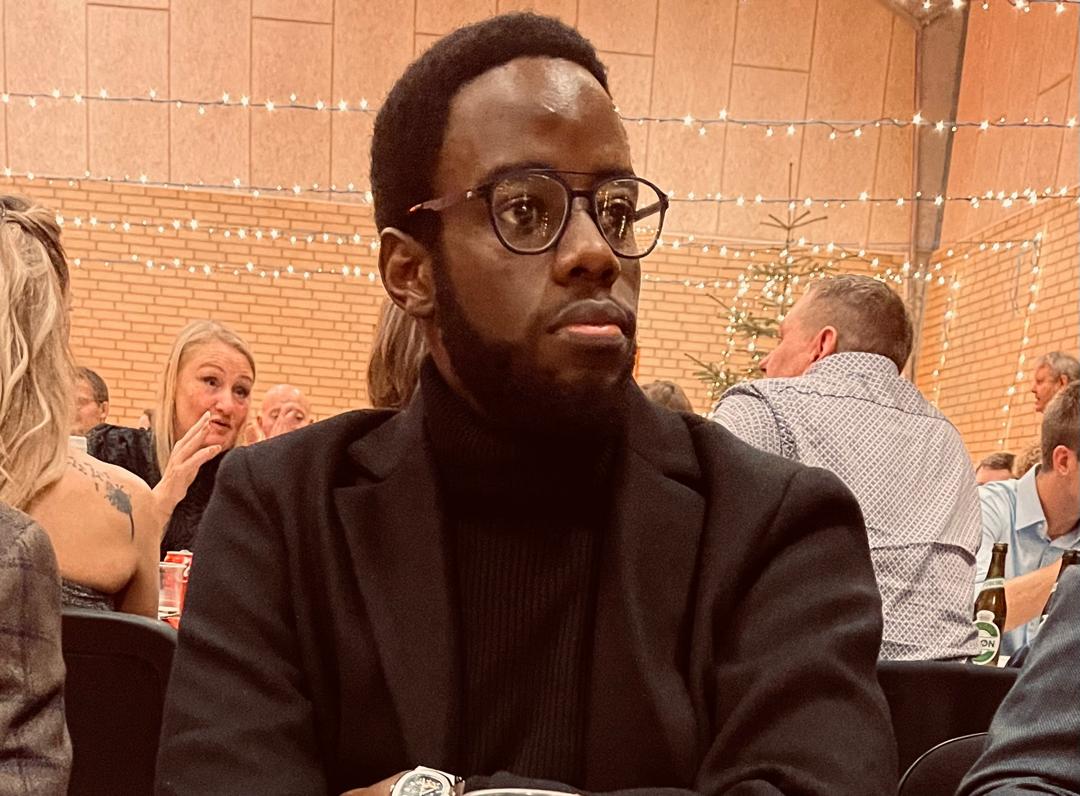
By Manzi Kabundami
In light of recent events in the country, I found myself pondering; if a major media house can be raided and shut down, who among us is truly safe?
The state of human rights in Uganda today paints a very troubling picture and the warning signs are everywhere. Journalists (Kalyegira) are increasingly operating under pressure. Human rights defenders (Dr. Matembe) are looking over their shoulders. Activists (Tabz) are forced into unwilled silence and weighing every word they post online. Even lawyers (Lukwago) are learning that silence is often the safest option. You notice how I have an example for every category?
The closure and military-led raid of Nation Media Group (NMG) operations in Uganda remains one of the most powerful symbols of this reality. NMG is not a small publication operating in obscurity. It is one of the region's most established media organizations, with significant resources, visibility, and influence. If such an institution can be subjected to that kind of treatment, what chance does an individual journalist, activist, critique like myself or citizen have?
The stories of journalists, commentators, and human rights advocates who have faced harassment or intimidation are becoming increasingly common. Yet even among those affected, some groups carry a heavier burden. The queer community and its advocates continue to face some of the harshest conditions, often confronting legal persecution, public hostility, and threats to their personal safety simply because of who they are.
The concern is no longer limited to physical spaces. Increasingly, the digital world appears to be under watch. Social media platforms that once provided avenues for expression and mobilization are now viewed by many activists as potential tools of surveillance. Human rights defenders report fears that online activity can be monitored and used to justify arrests or intimidation, often without clear legal processes or meaningful due process.
This creates a dangerous environment where citizens begin to censor themselves before anyone else can. People avoid conversations and hesitate before posting. They second-guess whether speaking out is worth the risk. Fear becomes internalized, and that is perhaps the most effective form of repression because it requires no prison cell.
Even foreign journalists are not immune. Reports of arrests involving international reporters, including Klauss Thymann, a visiting renowned award winning Danish photojournalist in Kampala-Uganda, raise questions about how far restrictions on independent scrutiny have expanded. When both local and foreign observers face obstacles, transparency inevitably suffers.
Perhaps most worrying is the sense of uncertainty. Human rights defenders increasingly operate without confidence that the law will protect them if they become targets. There is a growing feeling that anyone can be singled out at any time, for reasons that may not be immediately clear.
Some have chosen exile as a path to safety. Yet many who have fled Uganda continue to speak about living with fear. They worry about their families. They worry about reprisals. They worry that distance alone may not guarantee security. When citizens leave their country but cannot leave behind their fear, something is fundamentally wrong.
Human rights are not a privilege granted by governments to agreeable citizens. They are universal protections that belong equally to critics and supporters, activists and politicians, journalists and ordinary people. A country's commitment to freedom is tested not when people are praising those in power, but when they are questioning them.
Uganda cannot build a confident, democratic future while fear remains a constant companion to those who speak, write, organize or dissent. Until citizens can exercise their rights without looking over their shoulders, the question remains: who is really safe in Uganda today?
The author is a Ugandan Human Rights Critique and Defender
