
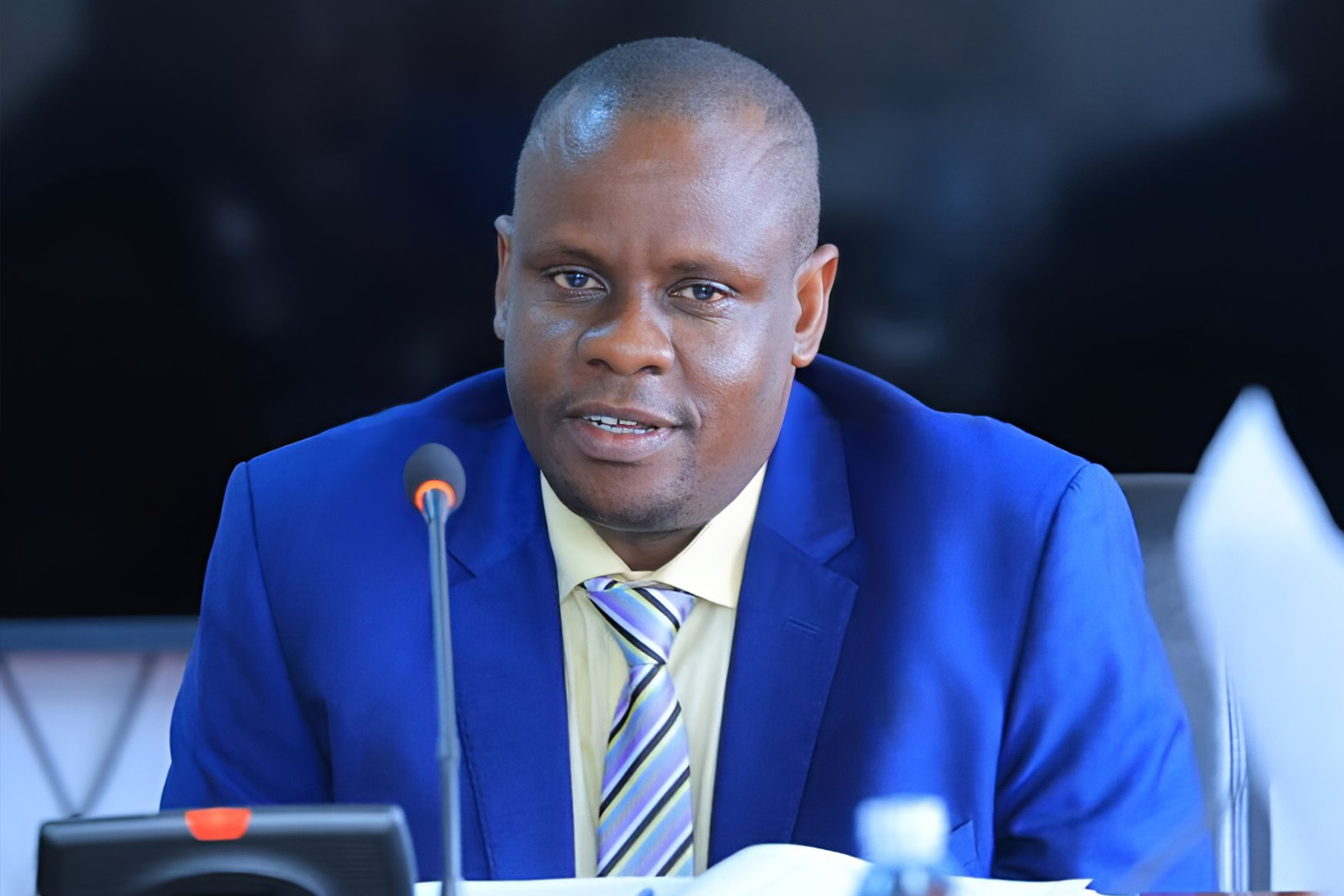
Uganda’s decentralised governance system has come under renewed scrutiny following a sharp intervention by Local Government Minister Balaam Barugahara Ateenyi, who accused local government structures of being weakened by corruption, weak accountability and systemic inefficiencies.
Speaking during a discussion on NBS Television’s Morning Breeze, Balaam pointed to alleged recruitment irregularities and corruption within district service commissions, arguing that some of the very systems meant to improve service delivery have instead been compromised.
“Selling jobs, land officer, Shs50 million… it happened in Masindi District Service Commission have remained some of the most corrupt,” he said during the live discussion.
His remarks reignited debate over whether decentralisation has improved governance or created new layers of patronage and abuse at the local level.
A central theme of his intervention was the need for stronger accountability, particularly for underperforming civil servants in local governments. He questioned why officials responsible for key services continue to remain in office despite poor performance.
“We are not going to allow a poor-performing CAO to remain a district when you are the accounting officer sent to ensure progress,” he said.
Balaam also raised concerns about corruption in the health sector, citing ghost workers, drug leakage and weak oversight mechanisms in district health facilities.
He alleged that medicines meant for public hospitals often disappear shortly after delivery.
“You find a hospital where drugs enter in the morning and by evening they are out of stock… where are they heading?” he asked.
The minister argued that such practices undermine public confidence and contribute to persistent service delivery failures in rural areas.
He also questioned the uneven performance of the Parish Development Model (PDM), noting that despite uniform funding allocations, results vary significantly across parishes.
According to Balaam, the disparities point not to resource shortages but to inefficiency and mismanagement at the local level.
He further signalled the need for stricter monitoring and evaluation systems, arguing that weak oversight has allowed corruption and inefficiency to persist for years without consequence.
Balaam also hinted at possible policy tightening in areas such as public servants engaging in private practice, saying such arrangements create conflicts of interest and contribute to leakage of public resources.
While his remarks have been welcomed by some as a candid acknowledgment of deep-rooted governance challenges, they have also revived broader questions about the effectiveness of Uganda’s decentralisation model.
Critics argue that structural issues—including underfunding, bureaucratic delays and political interference—continue to undermine service delivery despite repeated reforms.
The debate sparked by his comments has now placed renewed focus on whether decentralisation is delivering intended results or requires urgent structural overhaul to restore efficiency and accountability.
