
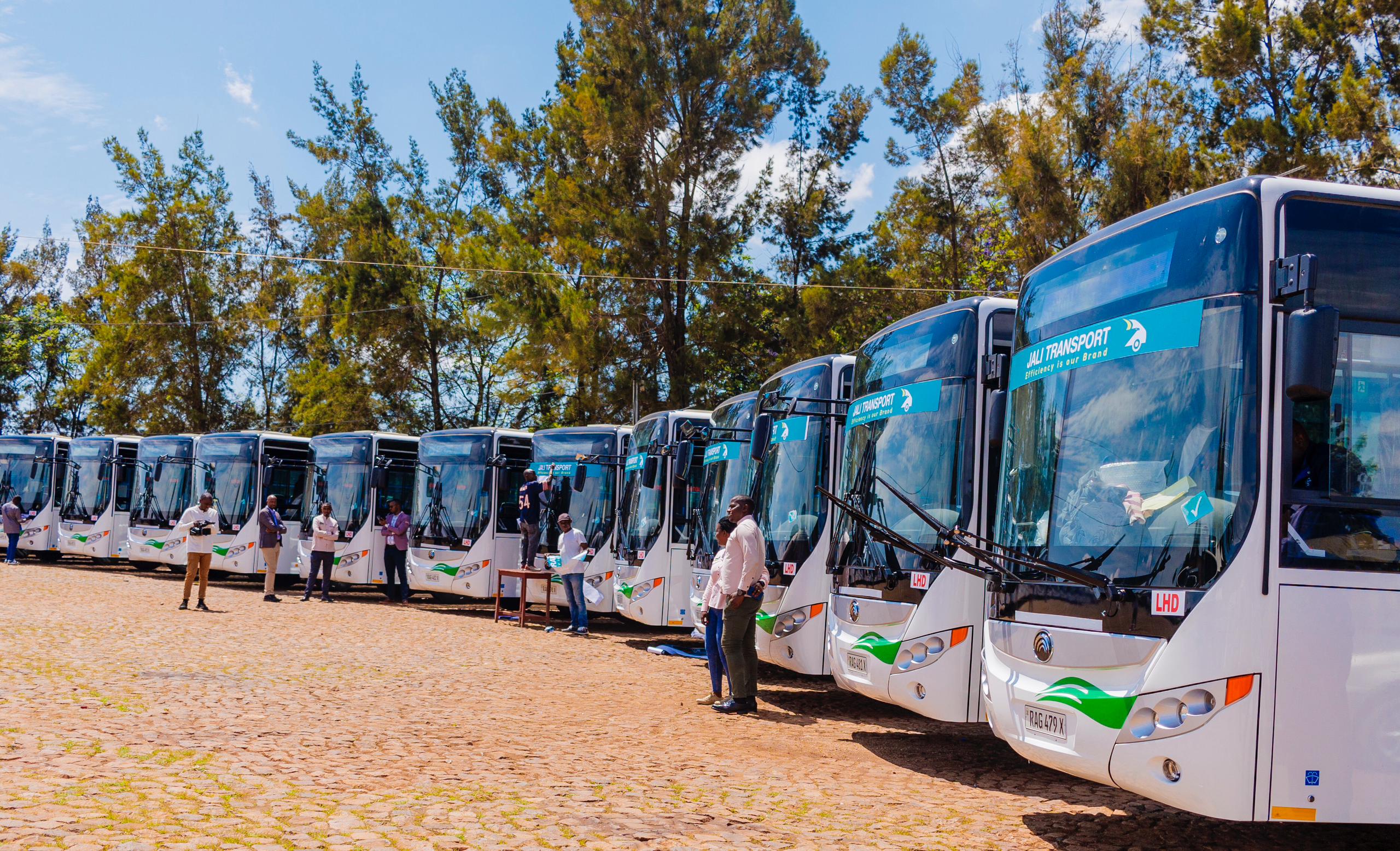
Kigali is preparing to roll out one of East Africa’s most ambitious public transport reforms, a service-led model that places efficiency, reliability and strict timekeeping at the centre of urban mobility.
The reform, approved by the Rwandan Cabinet on November 28, will require public buses to operate like airlines—departing based on fixed schedules rather than waiting to fill up.
“With the new model, buses will not wait until they are full. They will be running on fixed and predictable timetables,” Jean De Dieu Uwihanganye, Rwanda's junior minister for transport, is quoted by the New Times daily as saying.
"The bus can not exceed 10 minutes of delay based on a fixed time to depart from a bus park. It should also not exceed three minutes of delay at bus stops
It is a shift that immediately sharpens an uncomfortable question for Ugandan readers: Why is Uganda failing to build a modern public transport system while its neighbour moves ahead with an increasingly structured and technology-driven model?
Uganda once had an organised system under the old People-run transport services of past regimes, but attempts in recent years—from Pioneer Easy Bus to Tondeka Metro—have collapsed under financial disputes, poor planning and fragmented management.
Today, Kampala’s public transport depends on commuter taxis that stop anywhere the driver or conductor pleases, operating without designated stops, predictable schedules or meaningful regulation.
Rwanda’s new model underscores a very different approach.
This airline-style system will start in Kigali before extending to other cities, marking a complete departure from the fragmented net-cost arrangement that previously governed the sector.
Under that older system, responsibilities were scattered among operators, leading to weak fleet oversight, unreliable services and little accountability.
To take full control, Rwanda has created Ecofleet Solutions, a state-owned company that will manage and coordinate all aspects of public transport—from buses and depots to cashless payments, route planning and service monitoring.
Private operators will remain in the system but will work under performance-based contracts and be paid according to service levels, not passenger numbers. Poor performers will face penalties.
Ecofleet will also oversee a real-time digital monitoring system, ensuring that schedules, delays and fleet condition are constantly tracked.
All buses will transition to electric models by the end of 2026, aligning with Rwanda’s green-mobility targets.
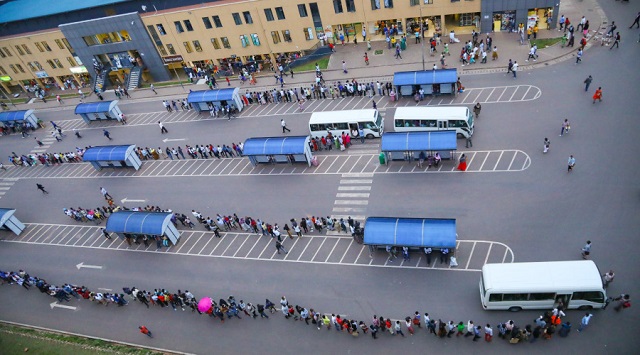
For commuters, the shift promises cleaner buses, predictable travel times, wider coverage and improved dignity in public transport—without fare increases.
Passengers will access real-time information on arrivals using mobile apps and digital boards at stations, a level of structure unfamiliar to Ugandan travellers accustomed to uncertainty.
The reform includes dedicated bus lanes on major Kigali routes, upgraded traffic signals, cashless systems designed to eliminate fraud, and strict maintenance standards.
Even operators who leave bus parks without full capacity will be subsidised to ensure schedules remain intact.
As Rwanda modernises its transport system, Uganda faces a familiar reckoning. The country’s past attempts at bus-based urban transport have consistently failed to take off, constrained by weak regulation, political interference and a lack of coordinated planning.
With no designated bus stops, unreliable schedules, and a taxi-dominant system controlled by informal interests, Uganda remains stuck in an era that Rwanda is rapidly leaving behind.
Kigali’s reforms raise an important regional debate: If Rwanda, with fewer resources and a smaller urban population, can build a clean, predictable and technology-powered transport system, why can’t Uganda?
