
Cervical cancer remains one of Uganda’s most pressing public health challenges, continuing to be the leading cause of cancer-related illness and death among women.
Health experts warn that without early detection and treatment, the disease silently claims thousands of lives each year — a reality that underscores the urgency of strengthening prevention and care services across the country.
In a major boost to national efforts, the Uganda Cancer Institute (UCI), in partnership with the Ministry of Health and the Korea Foundation for International Healthcare (KOFIH), is implementing the National Cancer Management and Capacity Building Project in Uganda (CANCAP UG).
The project aims to enhance national capacity for cancer prevention and control by improving infrastructure, building health workers’ skills, and expanding access to quality screening and treatment services — particularly for cervical cancer, which is largely preventable if detected early.
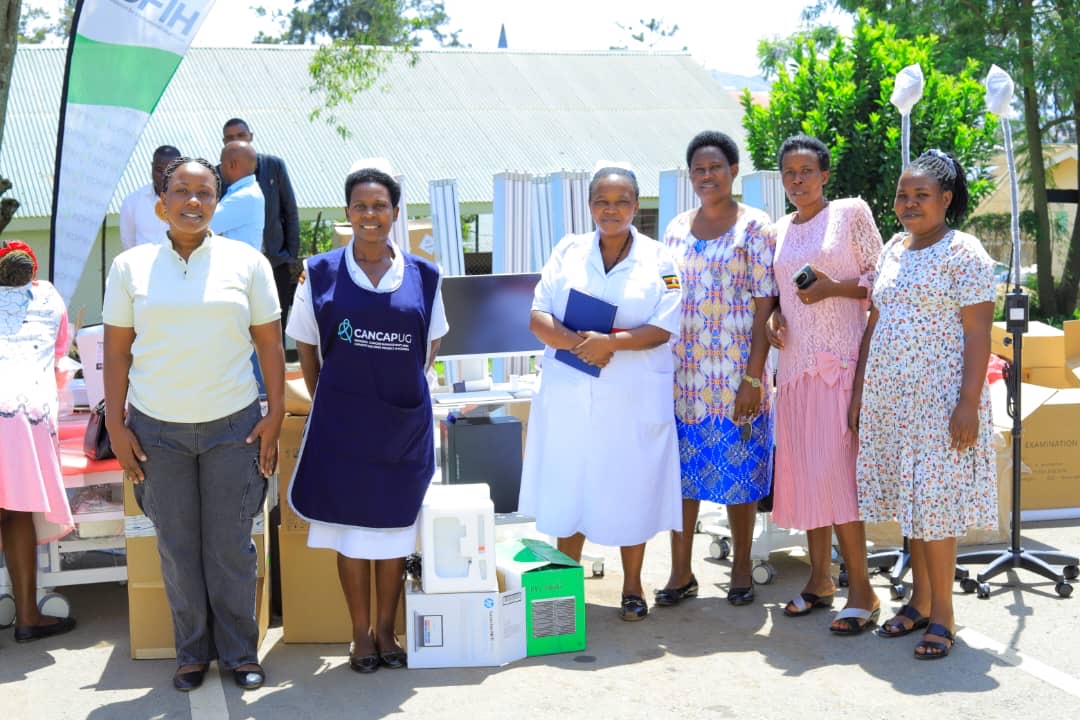
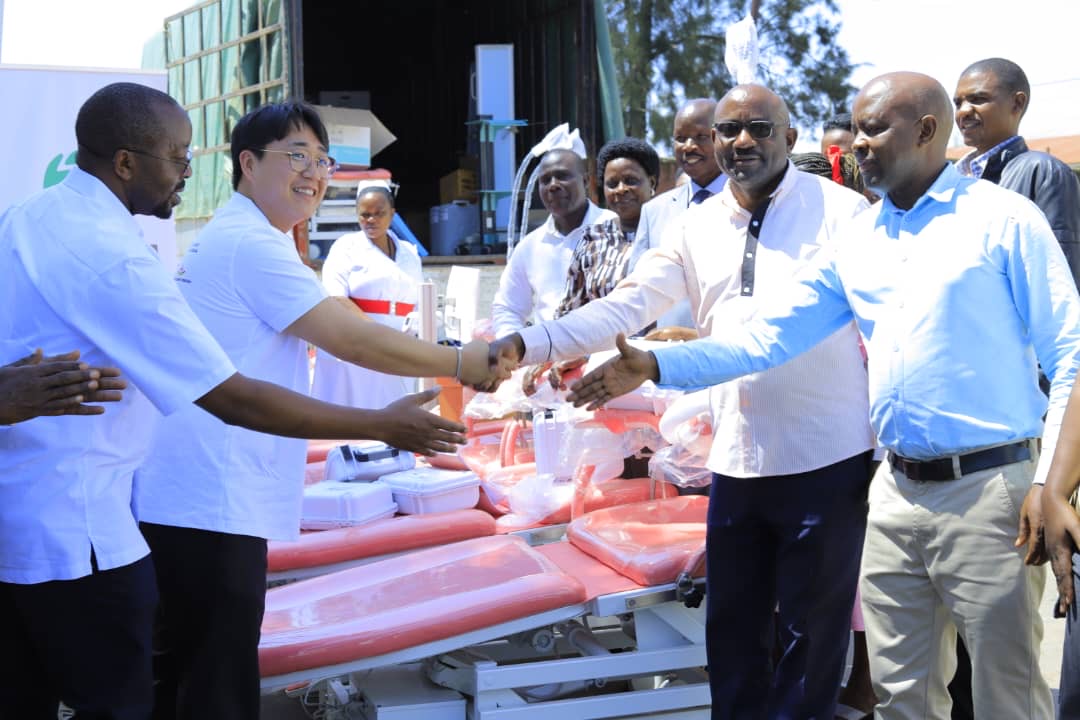
As part of this intervention, cervical cancer screening services have been established in 20 health facilities across Kampala City, Mbarara City, and Mbarara District. To ensure sustainability and quality, KOFIH has provided additional medical equipment and essential supplies to strengthen ongoing services in these facilities.
The official handover of the equipment will take place as follows:
Mbarara City Headquarters – November 6, 2025, at 9:00 a.m.
Mbarara District Headquarters – November 6, 2025, at 12:00 noon
Mbarara Regional Referral Hospital – November 7, 2025, at 9:00 a.m.
Kampala Capital City Authority (City Hall) – November 12, 2025, at 9:00 a.m.
Nixon Niyonzima, Head of Research and Training at the Uganda Cancer Institute, hailed the collaboration as a major stride in Uganda’s fight against cervical cancer.
“This partnership with KOFIH and the Ministry of Health represents a critical step toward early detection and prevention of cervical cancer,” he said. “By expanding screening services and strengthening local capacity, we are improving access to early detection, giving women a better chance at surviving and thriving.”
From the Korean side, Eunhyeok Lee, the Program Manager at KOFIH, reaffirmed their long-term commitment to supporting Uganda’s cancer control programs.
“Our commitment to Uganda’s cancer control efforts is rooted in partnership and sustainability,” he noted. “These supplies and equipment are meant to ensure continuity of quality services, especially in underserved areas.”
Local leaders in Mbarara District also welcomed the intervention, describing it as timely and life-saving.
“Cervical cancer affects many women silently, and this initiative will help us detect cases earlier and save more lives,” a district representative said.
The District Health Officer (DHO) added:
“These resources will greatly improve our ability to deliver quality screening and follow-up care. We are committed to ensuring that this equipment is used effectively for the benefit of our people.”
