
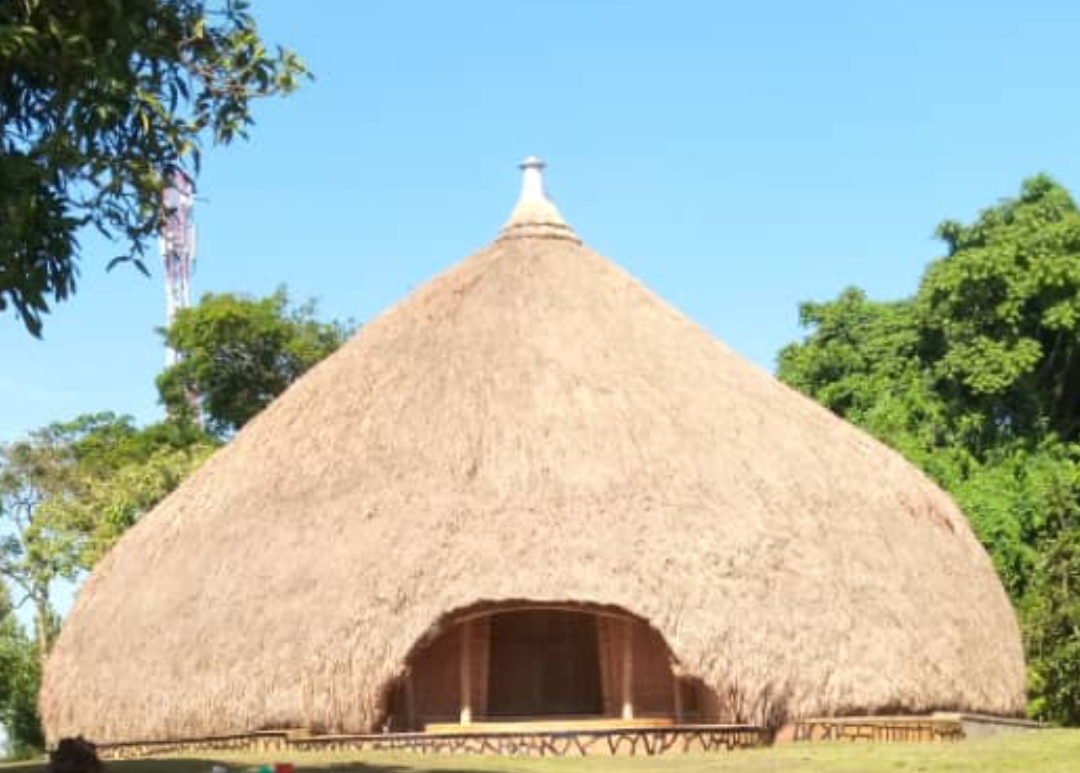
Wakiso District is often viewed as the gateway to Kampala, known for its rapid urbanisation and expanding residential developments. Yet beyond its modern growth lies one of Uganda's richest cultural landscapes, home to some of Buganda's most important historical sites.
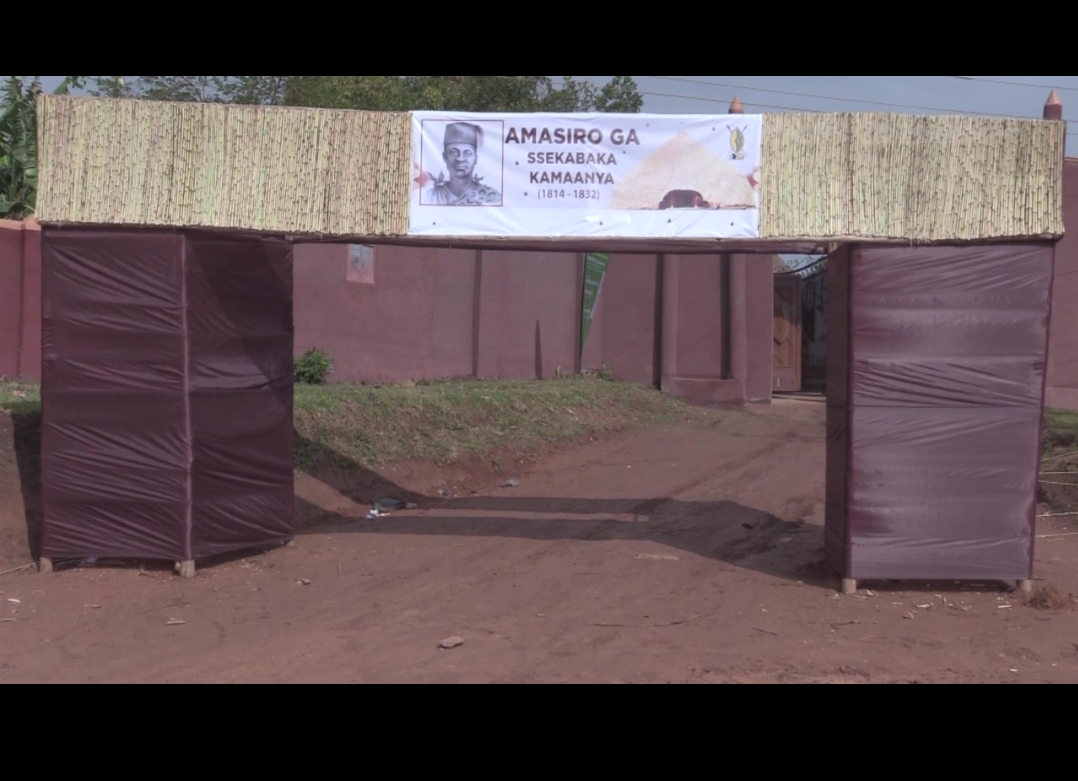
Among these are the revered Ssekabaka Kamaanya Tombs in Kassengejje and the Wamala Royal Tombs—sacred places that preserve the history of Buganda's monarchy while offering significant opportunities for cultural tourism and local economic development.
Today, however, this priceless heritage faces a growing threat: land grabbing.
Naava Kaana, who is spearheading efforts to renovate and preserve several Buganda royal tombs, says the work of conserving these historical sites is becoming increasingly difficult because of encroachment by individuals seeking to seize land surrounding the tombs.
Her concern goes beyond property ownership. It is about protecting Buganda's history, identity and future.
These royal tombs are not merely burial grounds. They are places of immense historical, spiritual and cultural significance, preserving the memory of Buganda's former Kabakas and their families. For many Baganda, they remain sacred sites where tradition, history and identity intersect.
The Ssekabaka Kamaanya Tombs continue to attract pilgrims, cultural enthusiasts and researchers interested in understanding Buganda's rich heritage. Likewise, the Wamala Tombs remain an important historical destination that tells the story of one of Africa's oldest kingdoms.
Beyond their cultural value, these sites hold enormous economic potential.
Properly preserved and promoted, they can become major tourism attractions, creating employment opportunities for tour guides, artisans, transport operators, accommodation providers and surrounding communities.
Increased visitor numbers would generate revenue that could be reinvested in conservation, creating a sustainable cycle of heritage preservation and economic development.
Cultural tourism has become one of the fastest-growing segments of the global tourism industry. Uganda, with its unique combination of wildlife and cultural heritage, stands to benefit greatly if sites such as these are adequately protected and developed.
Unfortunately, land grabbing threatens to undermine that potential.
Across Uganda, land grabbing continues to dispossess communities of land through fraudulent titles, intimidation, abuse of legal processes and, in some cases, outright force.
When such practices target cultural heritage sites, the damage extends far beyond the loss of acreage.
Encroachment destroys traditional buffer zones around sacred places, exposes them to incompatible developments and gradually erodes their historical integrity. As surrounding land disappears, the sanctity of these sites is compromised, diminishing both their cultural value and tourism appeal.
According to Naava Kaana, those grabbing land around the tombs are not simply taking property—they are erasing history.
"These tombs are not just burial grounds; they are sacred places that connect us to our roots, our kings and our traditions. When we lose this land, we lose part of our history, our heritage and our future," she says.
Her warning deserves serious attention.
The continued disappearance of heritage land weakens cultural identity and denies future generations the opportunity to learn from their history. It also undermines years of work invested by the Buganda Kingdom, cultural institutions and local communities in preserving these important sites.
Many perpetrators exploit weaknesses in land administration systems, manipulate documentation or use political influence to acquire land illegally. Communities often lack the financial resources or legal knowledge to challenge powerful individuals, leaving them vulnerable.
The result is not only the loss of cultural assets but also environmental degradation as natural landscapes surrounding heritage sites give way to uncontrolled development.
Addressing this problem requires decisive action.
First, government must strengthen enforcement of land laws and ensure that cultural heritage sites receive the highest level of legal protection. Individuals involved in illegal land acquisition should face swift prosecution, while fraudulently acquired land should be recovered.
Second, greater investment is needed in documenting, surveying and officially registering land associated with historical and cultural sites. Clear legal boundaries would significantly reduce opportunities for encroachment.
Third, communities must be empowered to understand and defend their land rights. Public awareness campaigns, legal support and stronger involvement of traditional institutions can help protect vulnerable heritage sites from illegal occupation.
Equally important is collaboration among all stakeholders.
The Buganda Kingdom, the Ministry of Tourism, Wildlife and Antiquities, the Uganda Tourism Board, local governments and cultural conservation organisations should work together to develop comprehensive management plans for these sites.
Investment in visitor facilities, historical documentation, guided tours and conservation programmes would not only preserve the tombs but also transform them into sustainable tourism destinations that directly benefit surrounding communities.
Protecting cultural heritage is not solely the responsibility of government. It is a shared national obligation.
The tourism sector, civil society organisations, educational institutions and local communities all have a role to play in ensuring that these sites remain intact for future generations.
Uganda's cultural heritage is one of its greatest national assets. Once destroyed, it cannot be recreated.
The Ssekabaka Kamaanya and Wamala Royal Tombs are enduring reminders of Buganda's rich history and Uganda's cultural diversity. Preserving them is not simply about protecting ancient monuments—it is about safeguarding identity, strengthening tourism and leaving future generations with a tangible connection to their past.
The efforts of conservationists such as Naava Kaana deserve broad public support. Their work is helping to preserve a legacy that belongs not only to Buganda but to Uganda as a whole.
If Uganda is serious about promoting cultural tourism and preserving its history, then protecting heritage sites from land grabbing must move from being an aspiration to becoming a national priority.
