
By Andrew Victor Mawanda Naimanye
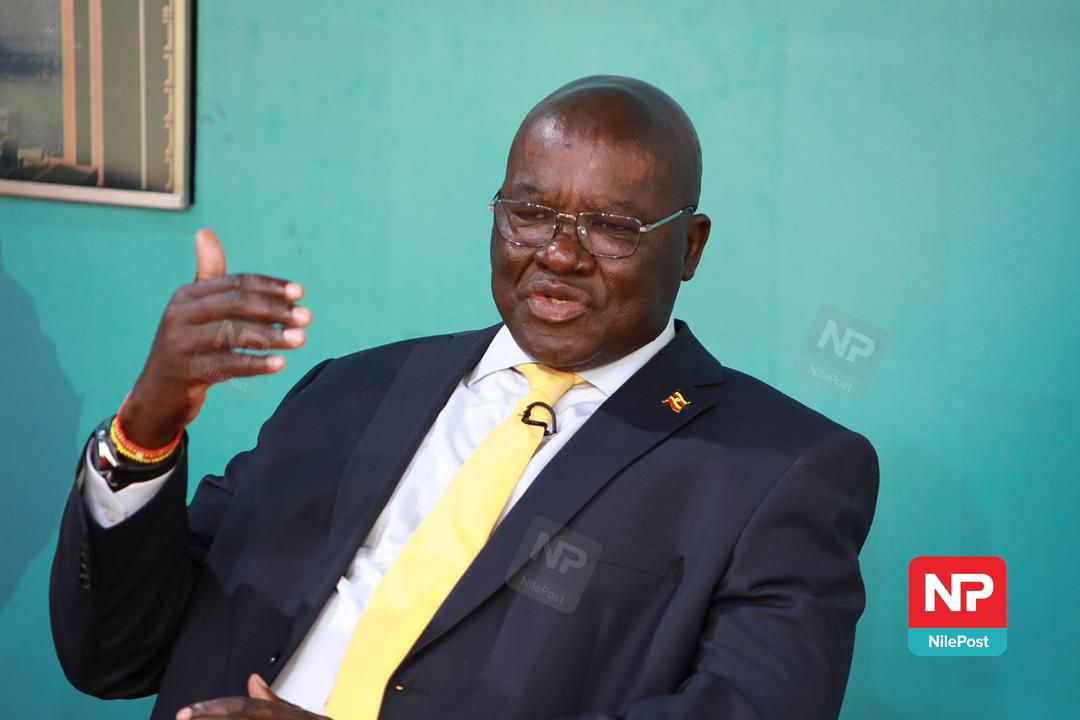
Otuke County Member Of Parliament, Paul Omara, has issued a bold call for a significant reduction in the size of government, warning that Uganda’s current structure is unsustainable and hinders the country’s ability to invest meaningfully in critical infrastructure.
Speaking during an interview on NBS Morning Breeze on Thursday, Omara lamented the heavy burden of public expenditure, particularly on Parliament and ministerial departments, which he suggested should be cut by at least 50%.
According to the legislator, radical reforms are necessary if Uganda is to free up enough fiscal space to address pressing development challenges.
“We must be able to do things radically so that we have sufficient funds to address the serious infrastructural issues we face,” Omara emphasised.
“Revenue is being collected, but it's going to pay salaries. The issue is, do you forego salaries and give that money to roads?,” he added.
He pointed to Uganda’s constrained revenue base and heavy reliance on borrowing to finance annual budgets, arguing that much of the borrowed money goes toward recurrent expenditures and debt servicing, leaving very little for capital investment.
“When you deduct loan payments and other expenses, the money left for appropriation is very little,” he noted.
Citing his own year-long research, Omara revealed that Uganda spends between UGX 271 billion and UGX 2 trillion annually on government vehicles — including procurement, maintenance, and fuel. He described this as an unsustainable cost that continues to balloon amid growing public debt and stalled service delivery.
“We need to downsize the size of government and restructure it to save money,” Omara stated.
He further shared that he had developed cost-saving proposals benchmarked on more efficient systems in countries like Rwanda. These proposals, he said, included cutting down on the acquisition of new government vehicles and introducing pooled transport systems for ministries and agencies. However, his attempts to have the matter included on Parliament’s order paper were unsuccessful.
Omara’s comments come amid increasing public scrutiny over government expenditure and repeated calls for fiscal discipline.
