
By Andrew Victor Mawanda Naimanye
Kawempe South Aspirant, Roy Ssemboga, has weighed in with candid remarks as the National Unity Platform (NUP) enters its second day of vetting for candidates vying for its ticket in the 2026 General Presidental and Parliamentary elections.
Today, the Election Management Committee is vetting LC3 and LC5 candidates from Lubaga South, Kawempe North and Nakawa West
According to party officials, this year’s vetting relies on a dual-pronged evaluation system with 60% of the score derived from grassroots consultations and 40% based on performance during the face-to-face vetting committee interactions.
Comparisons have been drawn to the recently concluded NRM primaries, which used a rigid voting system but resulted in a wave of post-election petitions by disgruntled candidates.
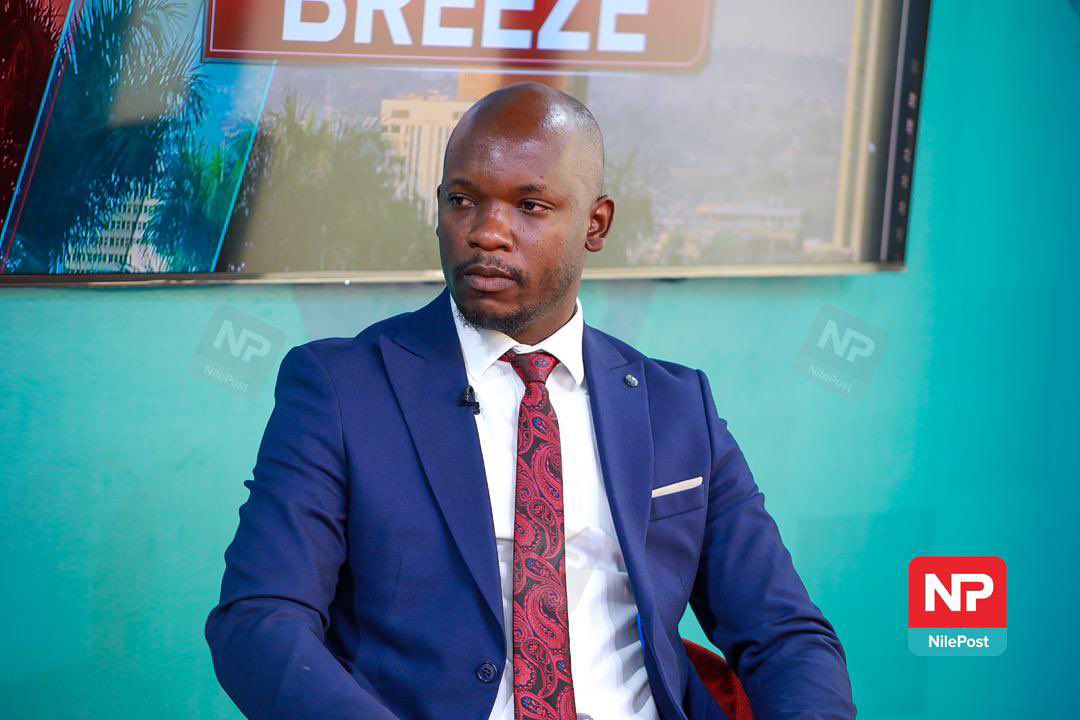
Speaking at NBS morning breeze on Tuesday, Ssemboga, a former Makerere University Guild President and long-standing face in Uganda’s opposition youth movements, has voiced a tempered but hopeful perspective.
"The NUP system is not 100% perfect. However, I haven't seen any acts of influence peddling. So far, so good," Ssemboga said.
Born and raised in Bwaise, a constituency within Kawempe South, Ssemboga emphasized his deep local roots, understanding and track record in public service as a foundation for his candidacy.
However, the vetting process has not gone without internal frustrations. Ssemboga highlighted a critical challenge regarding the party’s ongoing struggle to formally update its founding constitution.
“We wanted to register People Power as a party, but Balaam reserved that name to register a party for the elderly,” he explained.
“As the creative young people we are, we decided to join NURP, which we later changed to NUP. Unfortunately, we haven’t been able to change the original party constitution and selection process because our amended constitution has been frustrated by the government.”
While a Constitution Amendment Committee led by Hon. Medard Ssegona produced comprehensive reforms, these amendments remain stalled at the Electoral Commission.
“We would like to have party primaries, but the current party constitution doesn’t allow for that. If we were in a free and fair country, our constitutional amendment would have been approved, and we would have had primaries,” he said.
NUP continues to operate under the old NURP framework, relying on a selection process rather than an internal electoral vote.
This however, according to Ssemboga, does not necessarily undermine the legitimacy of the current process.
“The party has a responsibility to talk to all their candidates. Harmonisation is one of the mechanisms we use to avoid pulling in different directions. Even courts allow for harmonisation,” he said.
