
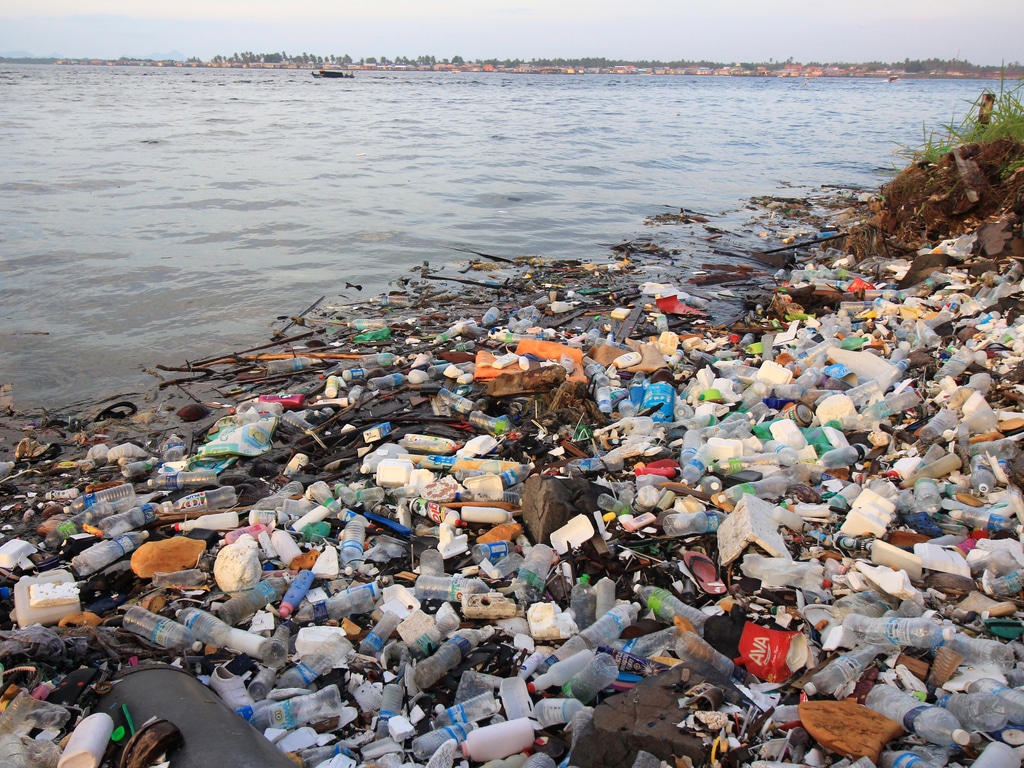
Uganda is struggling with a growing plastic pollution crisis, with urban centers like Kampala bearing the brunt of the problem.
The streets, drainage systems, and water bodies are increasingly choked with plastic waste, particularly single-use plastics that are difficult to manage and nearly impossible to recycle at scale. What was once seen as a convenient material has now turned into a threat to both the environment and public health.
According to Francis Ogwal from the National Environment Management Authority (NEMA), the situation has reached alarming levels, especially with the rise of microplastics—tiny plastic particles that often go unnoticed but are now entering our food and water systems.
“The convenience that plastic once brought has now overwhelmed us, not just in terms of environmental impact, but also in its threat to human health. Microplastics, in particular, are currently the most alarming concern,” Ogwal said.
He pointed out that single-use plastics, such as polythene bags, plastic straws, and disposable water bottles, are the most problematic. Their widespread use continues to harm ecosystems, clog drainage channels, and pollute water sources.
“Single-use plastics are currently the most problematic for our environment. Their widespread use poses serious risks, and it's time we consider returning to more sustainable alternatives like glass bottles,” Ogwal added.
Despite existing policies that regulate the production and disposal of plastic, enforcement remains a weak link. Jacinta Nekesa from Environmental Alert, a civil society organisation involved in environmental advocacy, said that while the government has taken steps by drafting policies and setting regulations, implementation is still lacking.
“There is a need for continuous capacity building for stakeholders, along with awareness campaigns to sensitise the public. When soft approaches are ignored, stronger measures may be necessary,” Nekesa said.
She emphasised that civil society groups recognise and support the government's policy efforts but stress that these must be followed by real action on the ground. Without enforcement, policies remain mere words on paper.
