
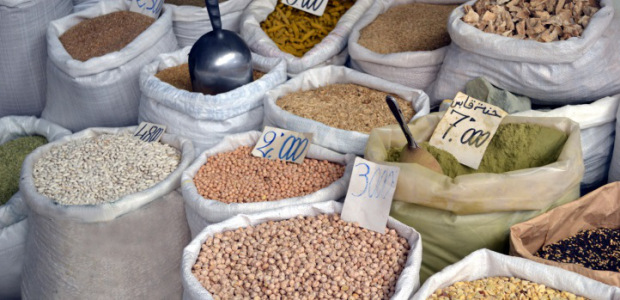
Health experts in Ntungamo District are warning of a surge in cases of diarrhoea, vomiting and fever linked to unsafe food choices, poor hygiene practices and the growing consumption of contaminated, expired and heavily processed foods.
The warning comes as global data shows that foodborne diseases cause more than 200 illnesses and continue to significantly affect people's health and livelihoods despite being largely preventable.
Foodborne diseases are illnesses caused by consuming food or drinks contaminated with harmful bacteria, viruses, parasites or chemical substances. They can result in more than 200 conditions, ranging from mild diarrhoea to severe and life-threatening complications.
The risks are influenced by the type of food consumed, storage conditions, packaging and expiry dates.
In Ntungamo District, health workers say cases associated with contaminated food are becoming increasingly common.
According to Dr Alex Aryahebwa, the Medical Officer at Rubaare Health Centre IV, many patients seeking treatment present symptoms consistent with food poisoning.
“Majority of people who have diarrhoea, in our setting, the biggest complaint is always food poisoning,” Dr Aryahebwa said.
He urged the public to pay close attention to food safety practices, particularly when purchasing packaged food products.
“Value your health. When preparing your food, prepare it very well. When buying packed food, be vigilant and check the expiry date. You can take food in normal quantity and get effects or take too much of it and still get effects. Some are short-term and others are long-term. But the most common problem comes when you take food that is contaminated or food that is expired, for example packed food,” he explained.
Experts also attribute the problem to changing lifestyles, particularly in urban areas where more people are relying on fast foods, refined carbohydrates, sugary beverages and energy drinks.
Muhumuza Bosco, a nutritionist at Kampala Nutrition Specialist Clinic, said modern dietary habits are contributing to both foodborne illnesses and non-communicable diseases.
“People are running for fast foods which include chips and burgers. Look at the sugar-sweetened beverages on the market and energy drinks. All these are key drivers of food choices that, in the long term, result in illnesses. They primarily lead to the growing burden of non-communicable diseases,” Muhumuza said.
He emphasized that food plays a critical role in determining health outcomes.
“Food can cause illnesses. It has the power to either fight disease or accelerate disease,” he added.
Beyond unhealthy diets, nutritionists are also concerned about poor food handling and hygiene standards throughout the food supply chain, which continue to expose consumers to disease-causing contaminants.
“When you look at our food supply chain, go to markets; someone is selling vegetables and in the next two metres there is running sewage,” Muhumuza observed.
The burden of unsafe food falls disproportionately on children. According to the World Health Organization, children under the age of five face nearly three times the risk of illness from unsafe food compared to older children and adults. Although they account for only nine percent of the global population, they suffer nearly one-third of all foodborne disease cases.
For many parents, however, the causes of recurring illnesses in children are often misunderstood. Docus Kyampaire, a mother whose child has previously suffered a foodborne illness, said she initially attributed the symptoms to ulcers.
“I think the root cause of the stomach complications that occur after eating food is often intestinal worms. However, for us who live in the village, we usually think it is an ulcer. That is why we wonder how a young child could have an ulcer,” Kyampaire said.
She also expressed concern that some traders continue to stock and sell expired food products, which she believes are contributing to illness among children in the community.
Health experts are now calling for increased public awareness on food safety, urging consumers to inspect expiry dates, ensure proper food preparation and storage, and maintain high hygiene standards. They also want authorities to strengthen monitoring and enforcement measures to ensure food sold to the public is safe for consumption.
As cases of foodborne illnesses continue to be reported, experts warn that greater vigilance from consumers, food vendors and regulators will be critical in preventing avoidable sickness and protecting public health.
