
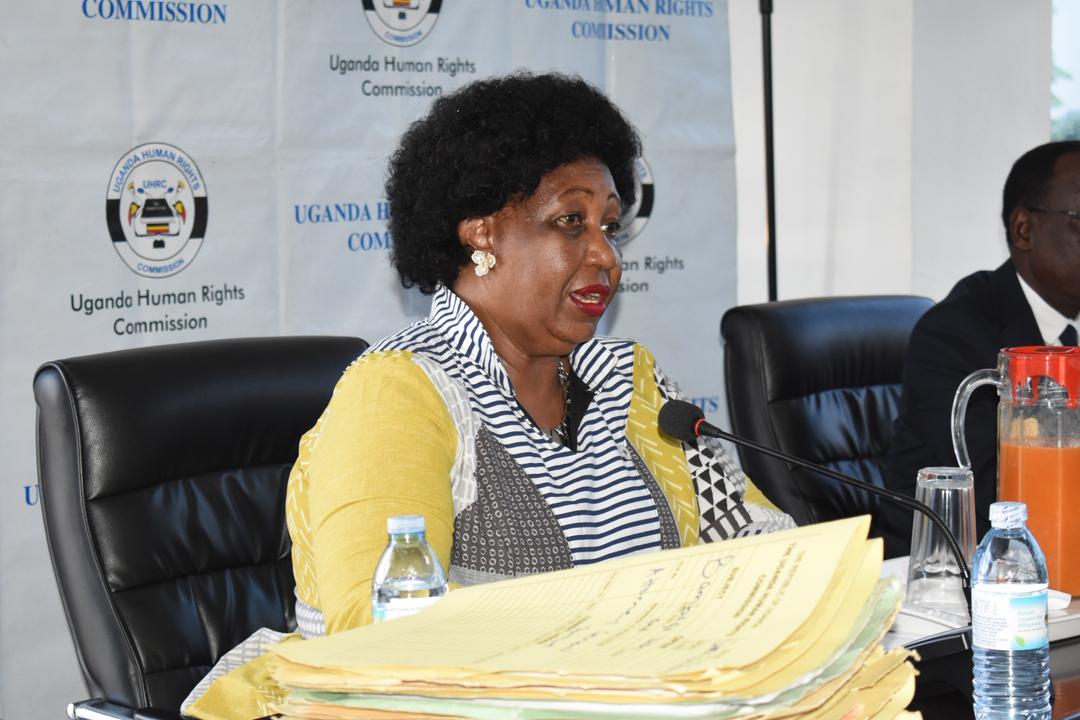
Mariam Wangadya has resigned as chairperson of the Uganda Human Rights Commission (UHRC), ending her tenure at the country's constitutional human rights watchdog amid escalating internal disputes and days after delivering an extraordinary public critique of the institution's leadership and appointment process.
In a resignation letter dated July 6, 2026, addressed to President Museveni, Wangadya formally notified the President of her decision to step down.
"I hereby tender my resignation as Chairperson of the Uganda Human Rights Commission. I thank you for the opportunity to serve Uganda over the years in the promotion and protection of human rights," the letter states.
Although the letter does not explain her decision, Wangadya later told Nile Post in a WhatsApp exchange that she resigned because of what she described as a "toxic work environment" within the Commission.
Her resignation comes less than a week after she launched one of the strongest public criticisms yet of how commissioners to the UHRC are appointed.
The explosive moment came during a media briefing at which Wangadya accused the appointing authority of treating the Commission as a refuge for political failures and financially distressed individuals rather than an independent constitutional institution.
"You seem to treat the UHRC as a dumping ground for individuals who have been rejected by the electorate, or as a place to reward those who have persistently complained about poverty, financial hardship, or even their inability to afford medical treatment and ARVs," Wangadya said.
She warned that appointments based on political patronage rather than merit were weakening the Commission's ability to fulfil its constitutional mandate.
"How do you appoint people without credibility and expect them to strengthen this institution?" she asked.
Reflecting on the future of the Commission, Wangadya also appealed for reforms in the appointment process.
"My tenure ends in September next year. But when the time comes to appoint the next Chairperson and members of this Commission, I ask you to choose men and women of integrity, credibility, competence and unquestionable character," she said.
Her remarks came as tensions within the Commission intensified.
Several commissioners have petitioned President Museveni and the Inspector General of Government (IGG), alleging financial misconduct, abuse of office and maladministration under Wangadya's leadership.
The allegations include claims of irregular salary enhancements, questionable procurement decisions, rapid promotions of selected staff and mismanagement of donor funds. Wangadya has denied all wrongdoing and insisted that neither she nor any commissioner was under investigation.
Established under the 1995 Constitution, the Uganda Human Rights Commission is mandated to investigate human rights violations, monitor compliance with human rights standards and advise government on policy and legal reforms.
Wangadya's tenure coincided with increased scrutiny of Uganda's human rights record and persistent debate over the independence of constitutional institutions.
Her resignation now leaves the Commission without its chairperson and sets the stage for the appointment of a successor at a time when the institution is grappling with internal divisions and questions over its governance.
By press time, neither State House nor the Ministry of Justice and Constitutional Affairs had commented on Wangadya's resignation or indicated when a replacement would be appointed.
