
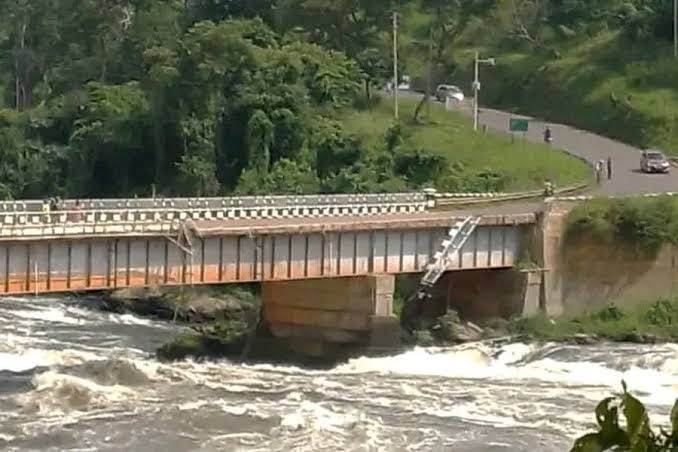
Uganda has signed a civil works contract for the construction of a new Karuma Bridge along the Kampala-Gulu Highway, paving the way for the long-awaited infrastructure project to begin.
The contract was signed in Japan on Friday during a ceremony attended by officials from both Uganda and Japan. The project is being financed by the Government of Japan through the Japan International Cooperation Agency (JICA) and will be executed by Japanese construction firm Zenitaka Corporation.
“Uganda has signed the Civil Works Contract for the construction of Karuma Bridge, along the Kampala-Gulu Highway. The works will be implemented by a Japanese firm, Zenitaka Corporation,” the Ministry of Works and Transport announced.
Representing the Acting Permanent Secretary at the Ministry of Works and Transport, Commissioner for National Roads Eng. Isaac Wani said the project would strengthen one of Uganda’s busiest transport corridors.
The new bridge is expected to improve road safety, connectivity, trade and regional integration along the Kampala-Gulu route, which links central Uganda to the northern region and neighbouring South Sudan.
The signing ceremony was attended by Uganda’s Ambassador to Japan, Tophace Kaahwa, Solicitor General Pius Perry Biribonwoha, Minister Counsellor at the Ugandan Embassy in Japan Nurh Byarufu, and Acting Head of Commercial Law Elizabeth Zungu Akimpye.
The new bridge will replace the existing Karuma Bridge, which was constructed in 1963 and has in recent years undergone several repairs due to structural concerns and increased traffic volumes.
Structural defects in recent months have seen the bridge closed to traffic on several ocassions, leading to disruption of flow of goods and services.
Government says the planned structure will provide a safer and more reliable crossing for motorists while supporting the movement of goods and people along one of East Africa’s key transport corridors.
The contract signing follows a financing agreement concluded between Uganda and Japan in March this year, under which Japan committed approximately 4.939 billion Japanese Yen, equivalent to about Shs121 billion, towards the project.
According to the Ministry of Works and Transport, the new crossing will be a 240-metre elevated cable-stayed bridge constructed about 12 metres higher than the existing bridge.
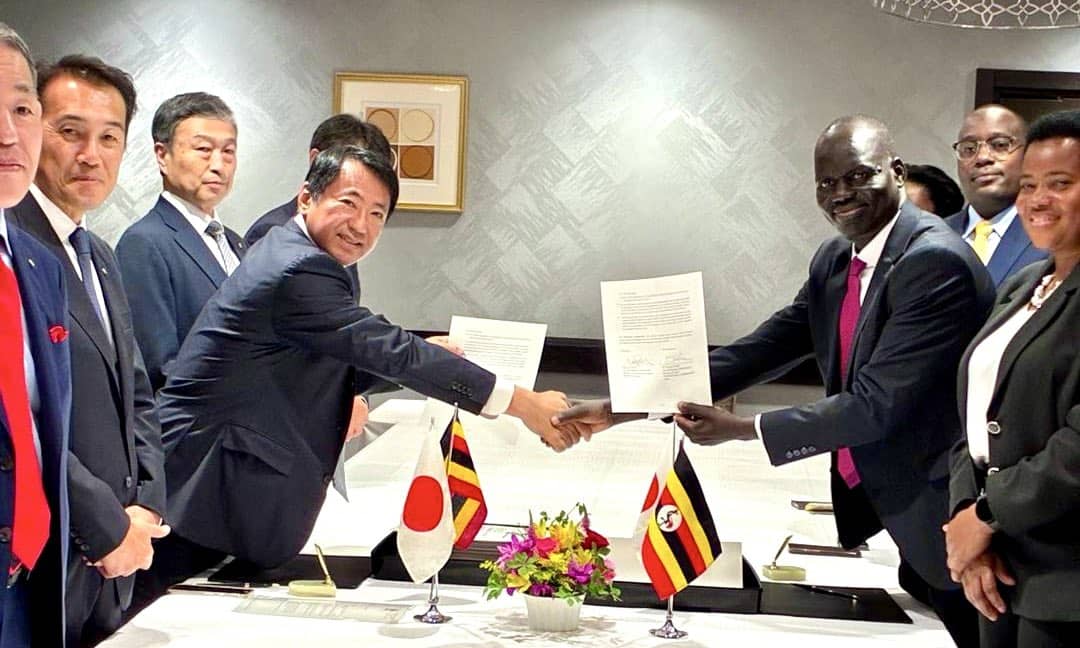
The design will eliminate the sharp bends on the current crossing, improve traffic flow and accommodate heavier traffic volumes for decades. Officials estimate the bridge will have a design life of about 120 years.
Construction is expected to begin after the planned groundbreaking ceremony in August 2026, with major works projected to take between three and four years.
Once completed, the existing Karuma Bridge will not be demolished but will instead serve as an alternative route for light vehicles and motorcycles, while the new structure handles the bulk of regional traffic.
The Karuma crossing remains a critical gateway between central Uganda and the north, with government expecting the new bridge to reduce travel delays, improve safety and strengthen regional trade.
