
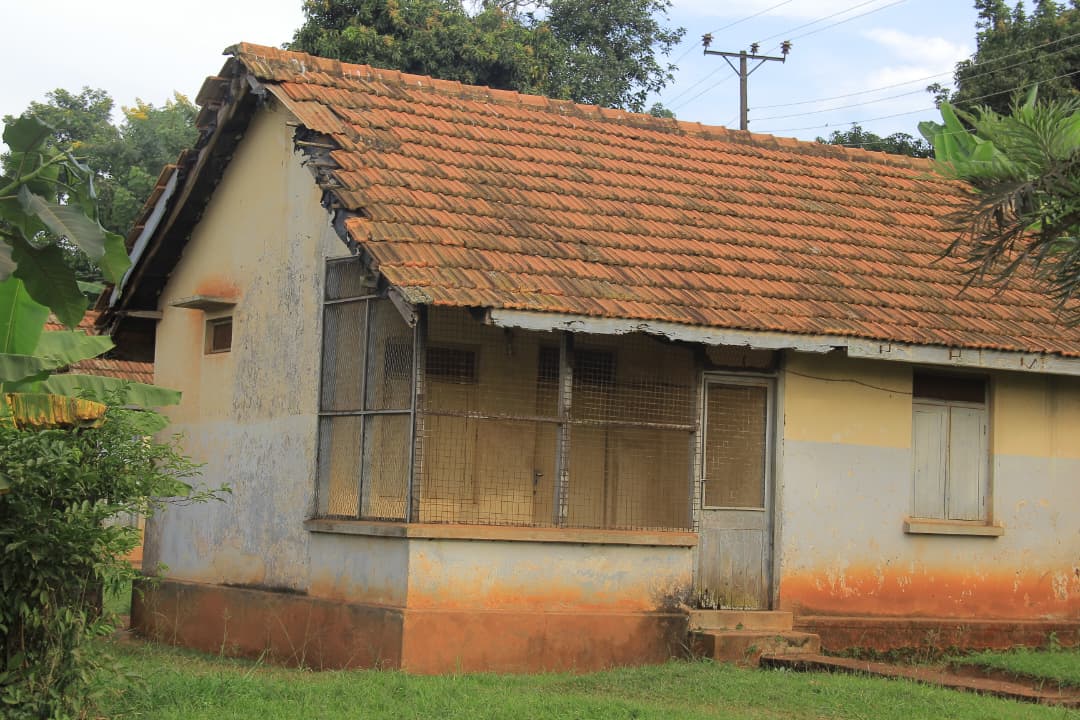
MPIGI — Leaders in Mpigi District have appealed to the government and the Ministry of Health to upgrade Mpigi Health Centre IV to a fully-fledged hospital, citing overwhelming patient numbers, inadequate staffing and persistent shortages of essential medical supplies.
The appeal was made during an emergency meeting convened at the facility following complaints that some patients were being charged for services that are supposed to be offered free of charge in government health facilities.
Mpigi Health Centre IV, jointly managed by Mpigi District Local Government and Mpigi Town Council, is the highest-level government health facility in the district and serves residents from Mpigi, Wakiso and neighbouring areas.
Local leaders say the facility is struggling to cope with increasing demand for services, resulting in pressure on the limited workforce and available resources.
According to district records, at least 12,593 pregnant women received antenatal care services at the facility during the last financial year alone.
The figure excludes thousands of patients seeking treatment for malaria, HIV/AIDS and other health conditions.
The emergency meeting brought together district leaders, health administrators and health workers to address concerns over reports that some patients had been asked to pay for treatment and medical procedures.
Among those in attendance were Mpigi District Chairperson Simon Peter Kawuki, Mawokota North MP Amelia Kyambadde, Mpigi Town Council Mayor Faridah Sempala and other local leaders.
Addressing the meeting, District Health Officer Dr Joseph Batte acknowledged that some patients had indeed been charged for services, describing the practice as unlawful and unacceptable.
"We all know there are challenges affecting service delivery at this facility. I want to make it clear that reports about patients being charged money are true. It is not the only problem; there are several practices here that are against the law," Dr Batte said.
"Some patients are mistreated, while others have complained about rude conduct from health workers. These issues have reached my office on several occasions."
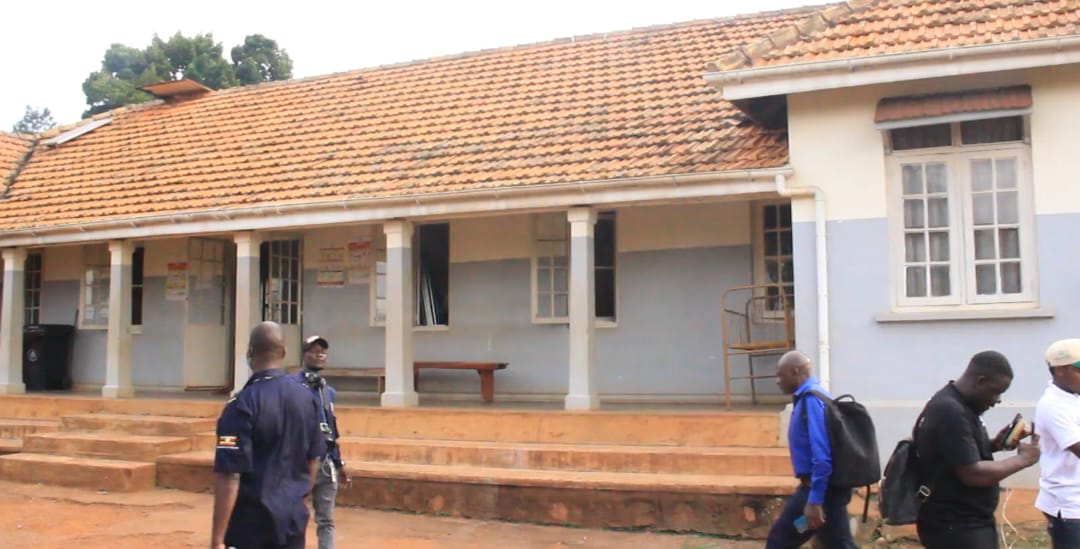
Initially, the facility's in-charge, Umar Dumba, denied the allegations before admitting that investigations had uncovered instances where some staff members had asked patients for money.
"It is true that we discovered some members of staff charging patients. We have since put measures in place to stop the practice from continuing," Dumba said.
However, he attributed some of the incidents to chronic shortages of supplies and operational challenges faced by health workers.
"Sometimes a health worker needs to perform a procedure but there are no gloves available. A health worker cannot handle blood without protective equipment. In such situations, some staff ask patients to buy the required items so that treatment can proceed," he explained.
Dumba also highlighted severe staffing shortages, saying the facility is operating far below its approved establishment.
"The health centre should have 130 staff members, but we currently have only 74. Out of these, only 52 are directly involved in patient care. One health worker often performs duties that should be handled by five people," he said.
"You cannot expect excellent service from someone who is overwhelmed and exhausted."
He further noted that inadequate accommodation and rising operational costs continue to affect staff welfare and service delivery.
"We have only nine staff houses for 74 workers. Before judging health workers, it is important to understand the challenges they face while delivering services," Dumba added.
Several health workers echoed similar concerns, arguing that shortages of essential supplies frequently leave them with difficult choices when attending to patients.
"At times, a woman comes to deliver without any supplies. We cannot attend to her without gloves, cotton wool and other essentials. When we ask patients to buy these items, people accuse us of charging them for treatment," one health worker said.
Following discussions with administrators and health workers, district leaders concluded that the facility's challenges are largely a result of underfunding, understaffing and an increasing patient burden.
"From what residents and health workers have told us, it is clear that Mpigi Health Centre IV has too few health workers and receives inadequate supplies despite serving a very large population," Kawuki said.
Kyambadde called on the government to urgently elevate the facility to hospital status to match the level of demand it currently handles.
"We are appealing to the government to upgrade this health centre to a hospital, increase staffing levels and provide adequate resources so that residents can receive quality healthcare services," she said.
Leaders argue that an upgrade would enable the facility to attract more health workers, secure additional funding and improve access to specialised services for residents of Mpigi and neighbouring districts.
Currently, Mpigi Health Centre IV operates with only 74 staff members against an approved establishment of 130, with just 52 directly involved in patient care—a situation leaders say has placed enormous strain on healthcare delivery in the district.
