
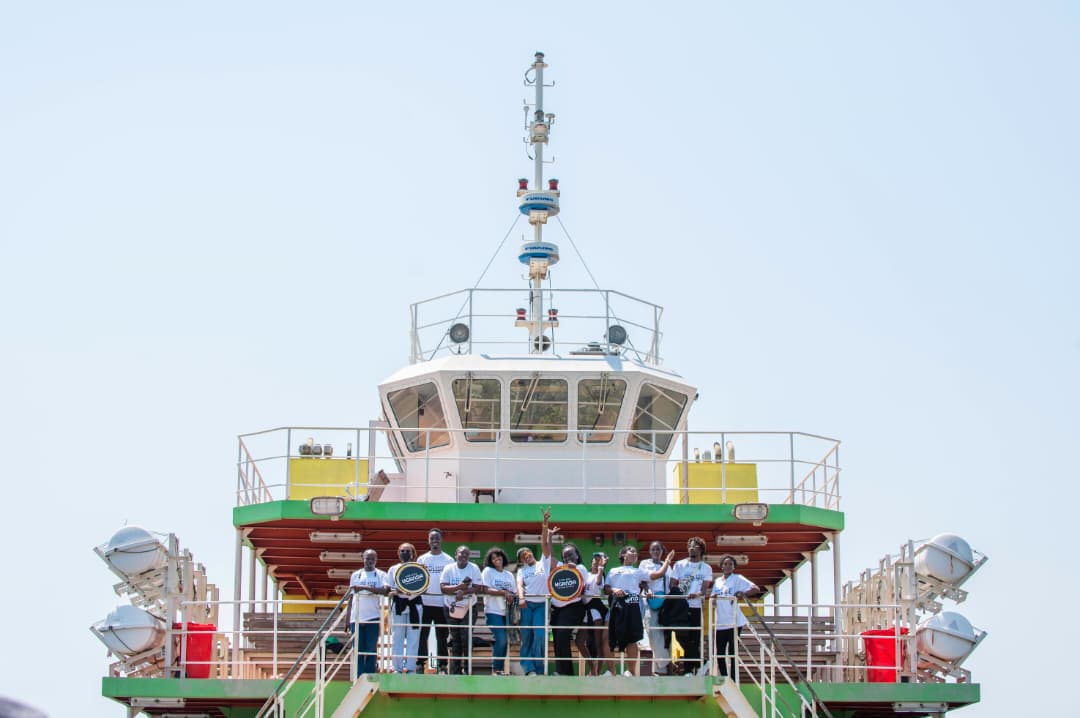
By the time the ferry pulled away from Namayingo for Dolwe Island, it was already clear that this would not be an ordinary journey.
I had travelled to Namayingo on Thursday evening to catch the Friday morning ferry, which operates four days a week—Mondays, Wednesdays, Fridays and Sundays—making a trip to the island one that requires a bit of planning.
By 7am, the landing site was already alive with activity. Traders and travellers gathered with bags of charcoal, bunches of matooke and other merchandise destined for Dolwe's bustling Friday market. As goods were loaded onto the vessel, passengers patiently waited for the 9am departure.
The four-hour crossing is not simply a means of transport—it is part of the adventure.
Lake Victoria stretched endlessly beneath a calm sky. Inside the ferry, some passengers quietly battled motion sickness while others chatted, scrolled through their phones or stretched out on the floor for a nap.
Despite the full passenger list, there was a noticeable sense of calm. No one seemed to be in a hurry.
At about 1pm, Dolwe Island finally emerged on the horizon.
Its signature rock formations rose dramatically from the waters of Lake Victoria, appearing almost as though giant boulders had been deliberately balanced one upon another. Excitement spread across the ferry as passengers prepared to disembark into the lively Friday market.
A short drive from the landing site brought us to La Fang Eco Resort, a property designed to blend naturally into the island's rugged landscape.
Despite the scorching afternoon heat, the welcome was warm.
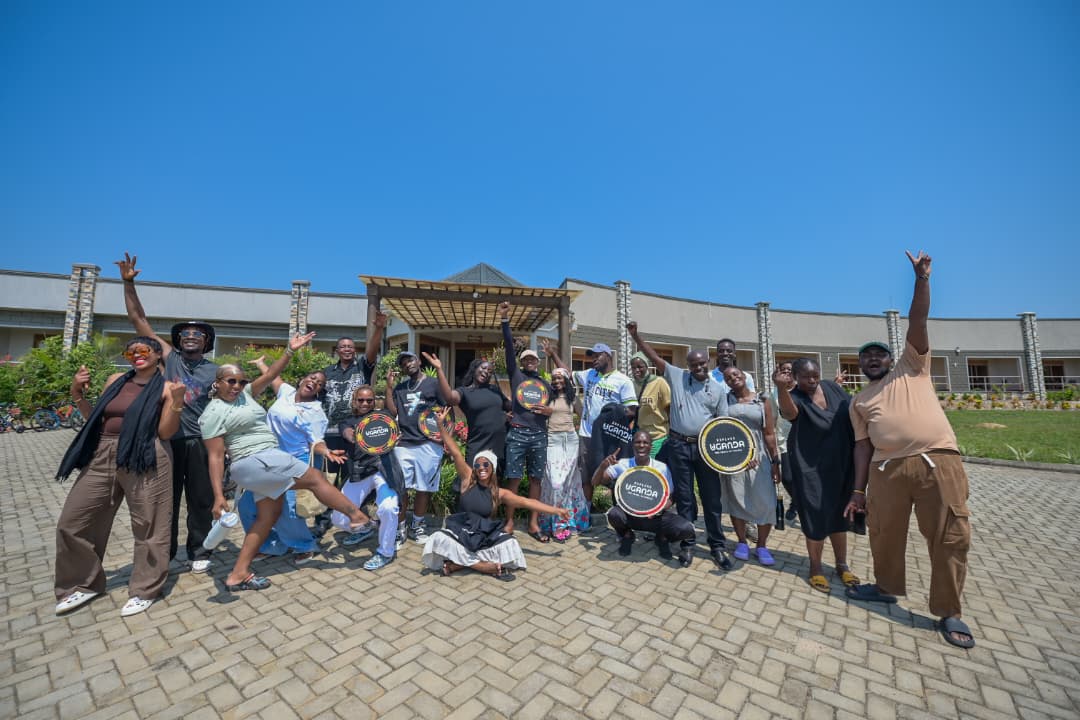
A cultural dance troupe representing the island's diverse communities greeted visitors with energetic performances. Dolwe is home to the Iteso, Baganda, Basoga, Samia, Japadhola and Swahili-speaking communities, whose traditions have gradually blended into a unique island identity.
Facility Manager Duncan Wandera welcomed us before lunch, where the resort's commitment to fresh food quickly became apparent.
Everything tasted remarkably fresh because, as Wandera explained, La Fang follows a farm-to-table philosophy. Rather than relying entirely on supplies from Kampala and Jinja, the resort raises chickens and goats while growing fruits and vegetables, including produce from greenhouses, allowing it to serve largely organic meals sourced directly from the island.
Accommodation caters for different travellers, ranging from safari tents and executive rooms to family cottages, private cottages and honeymoon suites.
Walking into my cottage, I immediately felt the pace of life change.
For the first time in weeks, thoughts of breaking news, politics and deadlines faded away, replaced by quiet anticipation of the days ahead.
That evening we explored Gorofa Town.
Named after the towering rock formations that resemble multi-storey buildings, the town offered a glimpse into everyday island life. Music drifted from bars, fishermen returned with fresh catches and fish smokers prepared tilapia and Nile perch over open fires before the produce was transported to mainland markets.
The island's children left the strongest impression. Curious and remarkably confident, they spoke freely about politics, crocodiles and daily life on Dolwe with an ease that reflected their unique upbringing.
As the sun disappeared behind Lake Victoria, the island revealed one of its greatest attractions—a spectacular sunset that painted the lake in brilliant shades of orange and gold.
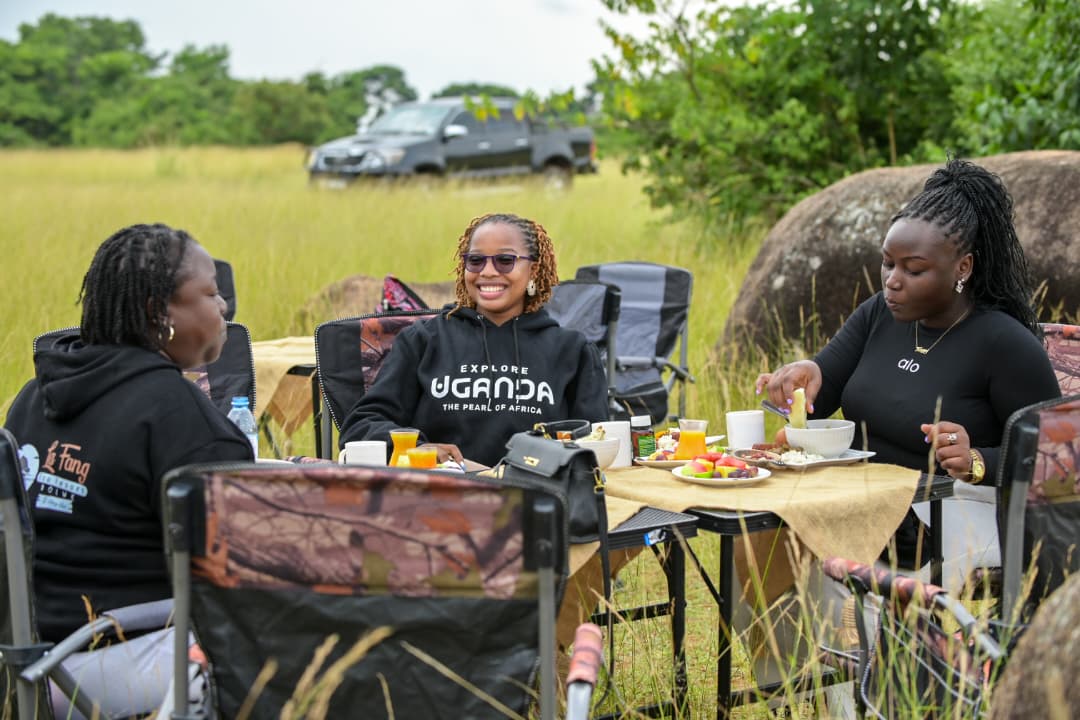
The following morning began with breakfast in the bush.
Set among grasslands, giant rocks and uninterrupted lake views, the experience was as memorable as the menu itself. There was mulokony, cassava, cereals, eggs, fried liver, rice katogo, sausages, steamed maize, tropical fruits and fresh juices—a generous spread celebrating Ugandan cuisine alongside continental breakfast favourites.
Wandera explained that the resort had been carefully designed around the island's natural rock formations rather than replacing them. Existing landscapes were preserved, allowing buildings to blend into the environment.
The resort has also launched a tree-planting initiative aimed at increasing indigenous vegetation and gradually transforming parts of the island that were once largely bare.
Another memorable experience was visiting the resort's farm.
Guests fed goats, carried young kids and even selected one that would later be prepared for the farewell barbecue, adding a personal touch to the farm experience.
Later that afternoon, laughter replaced sightseeing as everyone gathered around the swimming pool. The pool party quickly turned into an afternoon of games, splashing and carefree fun that made adulthood feel temporarily forgotten.
The following day brought the highlight of the trip—Mwango Rocks.
Rising about 100 metres above Lake Victoria, the massive granite formations are among Dolwe's most spectacular natural landmarks. They are home to monitor lizards, other reptiles and, according to local residents, snakes, although fortunately none crossed our path.
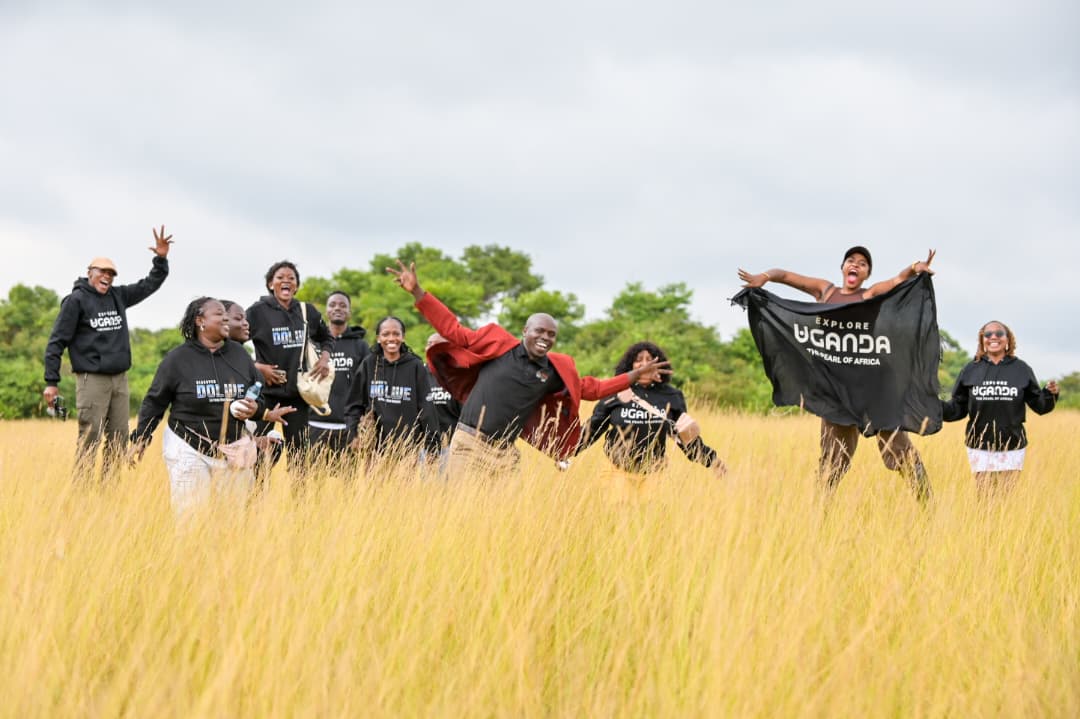
Our guide, Gabriel, recounted the history surrounding the rocks. According to local tradition, Dolwe's earliest settler fled conflict on neighbouring Sigulu Island and first established himself on Mwango before later settling on Dolwe.
The rocks are also deeply woven into local spiritual beliefs.
Often referred to as "projector rocks," they are believed by some residents to reveal dreams and visions of the future. A small pool at the summit is said to bless couples who become engaged there with lifelong unity, while politicians and other visitors are believed to climb the rocks seeking blessings, prosperity and good fortune.
Whether or not one believes those stories, the view from the summit is undeniably extraordinary.
Lake Victoria stretches endlessly in every direction, offering a perspective that makes visitors feel both humbled by nature and connected to the island's ancient history.
After a 30-minute boat ride back to the resort, a lakeside brunch marked the final moments before departure.
As our boat pulled away from Dolwe, it became clear that the island offers much more than scenery.
It introduces visitors to a community shaped by the rhythms of Lake Victoria, cultures that have blended over generations and landscapes where towering rocks, open water and enduring traditions exist in remarkable harmony.
Dolwe is not a destination for hurried travellers.
The ferry takes hours, life unfolds slowly and schedules matter less than the experience itself.
Perhaps that is the island's greatest gift.
For a few days, Dolwe slowed me down. And as the shoreline gradually disappeared into the distance, I realised that a part of me had been left behind—somewhere among the ancient rocks, the calm waters of Lake Victoria and the quiet beauty of this remarkable island.
