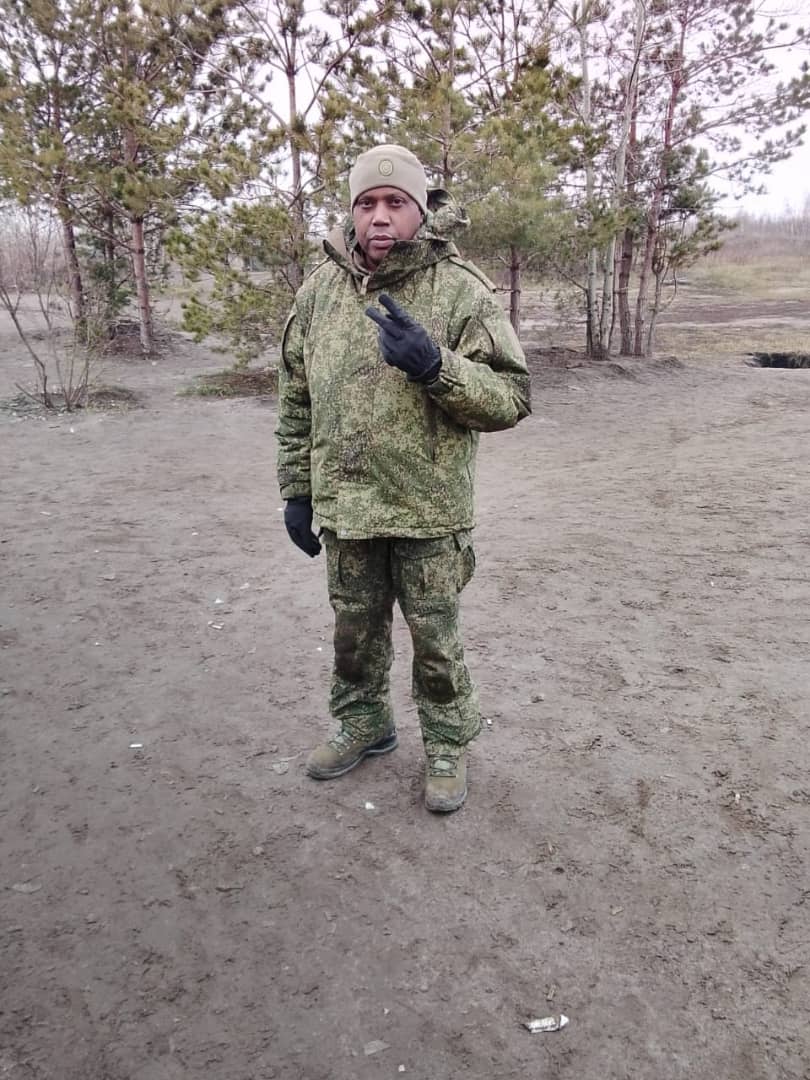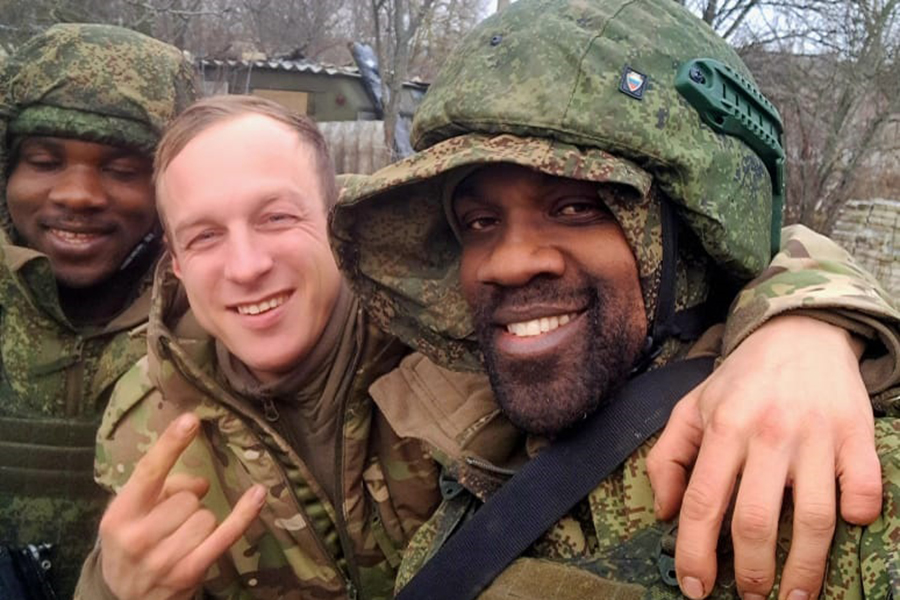
For nearly six months, Anthens Ankunda has clung to hope that her husband, Kenneth Kakuru, will one day return home.
The last message she received from him came in February, when he said he would be deployed to the frontline of the Russia-Ukraine war the following day. Since then, there has been only silence.
Kakuru is among more than 90 Ugandans whose families say disappeared after being trafficked to Russia with promises of jobs as drivers and security guards, only to end up fighting alongside Russian forces in Ukraine.
Ankunda says life has become unbearable since her husband's disappearance. The ATM card he left behind, hoping she would use it to withdraw his salary, has never received any money, forcing their children out of school.
Her family's ordeal is now at the centre of growing calls for the Ugandan government to help bring home citizens allegedly trapped in the war.
Kakuru's twin brother, Innocent Kato, said he sought help from Uganda's embassy in Moscow after receiving distress messages from his brother but was unsuccessful.
"Our people were trafficked to Russia with the promise of driving and security guard jobs, but ended up being deployed to fight alongside the Russian forces in Ukraine," Kato said.
"We have been in touch with many of them and they tell us that most of them have been killed or are injured. Those who try to escape are arrested and sent back to the war zone. Our people want to return, but the embassy in Moscow has not been helpful. When they go there for help, the officials instead hand them over to the Russian authorities."
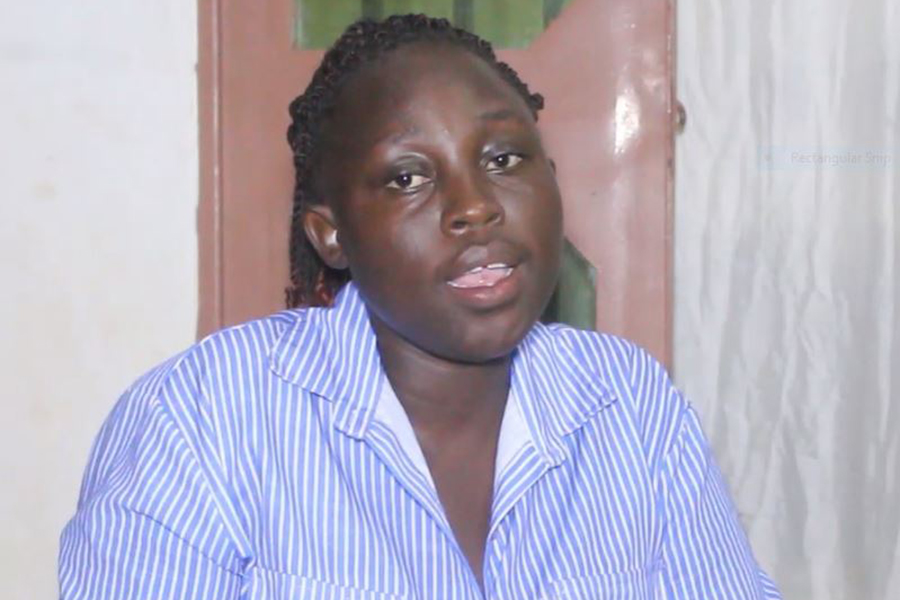
According to Kato, more than 100 Ugandans were recruited by a Russian man identified only as Dimitri.
He said the first group was intercepted by Ugandan security authorities as it prepared to depart through Entebbe International Airport and that Dimitri was briefly arrested before later being released.
The recruiter then allegedly shifted operations, routing recruits through neighbouring countries.
Kato said his brother's group of about 15 recruits travelled by bus to Juba in South Sudan before flying to Istanbul, Turkey, and eventually Moscow.
Once there, he said, the recruits discovered the promised jobs did not exist.
Instead, they were allegedly forced to sign contracts written in Russian, a language they did not understand, before undergoing military training and deployment to the battlefield.
Kato said the promised monthly salary of $6,000 never materialised.
"As recruits suffer on the frontline, their families back home are also in pain. Children have dropped out of school and many have been evicted from houses because of failure to pay rent. The companies that took them are not even paying them," he said.
Uganda's Ambassador to Russia, Moses Kizige, acknowledged that Ugandans were in Russia but said the embassy could not intervene because those involved had signed contracts with private security companies.
"It is true that the Ugandans are there, but they are serving under contracts they signed with private security companies, so we cannot intervene. Their contracts are still running," Kizige said.
Kato rejected that explanation, insisting the contracts were signed under duress after recruits arrived in Moscow.
The allegations have since reached the Ministry of Foreign Affairs.
In a letter sent two weeks ago, Permanent Secretary Vincent Bagiire directed Uganda's embassy in Moscow to investigate claims that Ugandans had been trafficked to Russia and deployed to fight in Ukraine.
Bagiire said he had met relatives of the missing Ugandans, who alleged that recruiters identified as Dimitri, Esther and Anna had coordinated the recruitment and collected money from victims.
The letter also cited allegations that Ugandans seeking to return home had been frustrated or reported to Russian authorities by officials at Uganda's embassy in Moscow, while those who eventually made it back to Uganda were assisted by Kenya's embassy.
Bagiire instructed the mission to investigate the allegations and submit a report within one week.
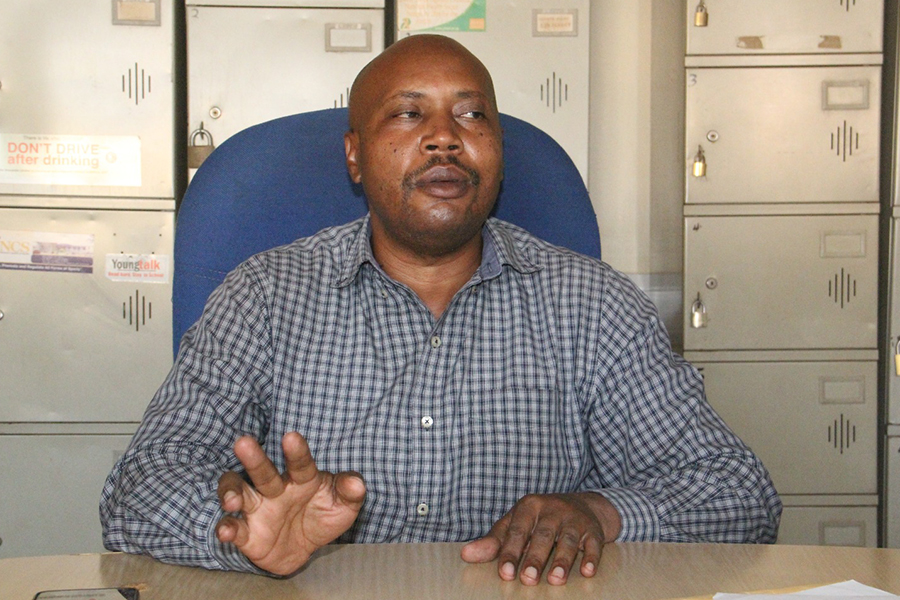
Since the outbreak of the Russia-Ukraine war, reports have emerged of African nationals being recruited under false pretences before ending up on the battlefield. Countries whose citizens have reportedly been affected include Kenya, Ghana, South Africa, Nigeria, Egypt and the Democratic Republic of Congo.
Kenya, Ghana and South Africa have since secured the return of some of their citizens through diplomatic intervention, including after high-level engagements with Russian authorities.