
Health experts have warned that cancer cases in Uganda are rising sharply, with thousands dying each year before receiving treatment.
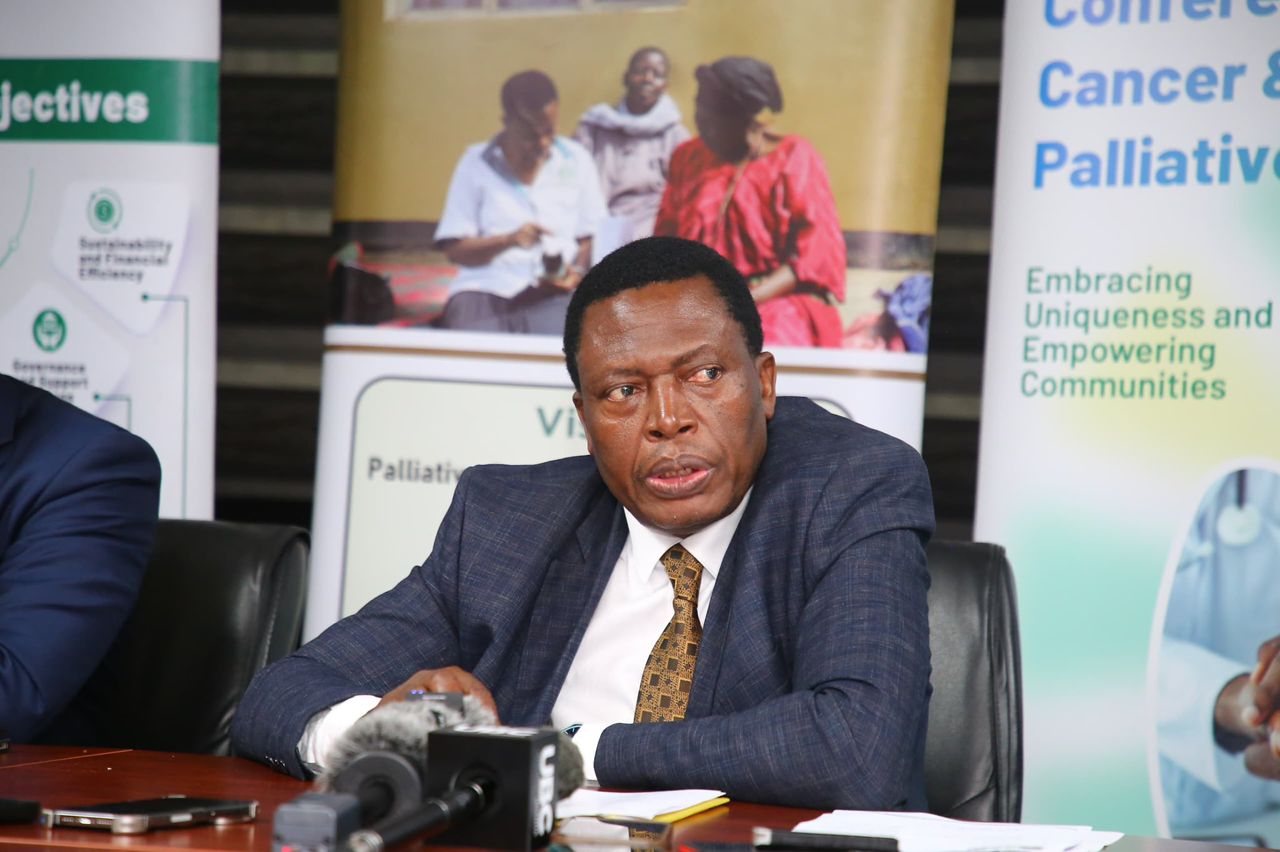
The warning came during the launch of the 5th Conference on Cancer and Palliative Care, scheduled for September 10–12 at Speke Resort Munyonyo.
According to the Ministry of Health, Uganda records about 34,000 new cancer cases annually and over 24,000 deaths.
Only 20% of patients reach the Uganda Cancer Institute for treatment, leaving 80% to die without care.
Experts note that 30% of cancers are preventable, 30% curable, and 30% controllable—underscoring the need for early intervention and robust palliative care.
“The burden of cancer is undeniably rising. This conference will inform policy and promote cancer awareness,” said Dr Moses Muwanga, assistant commissioner for Palliative Care and Hospice Services.
Dr Charles Olaro, director general of health services, announced that a high-end linear accelerator and nuclear medicine facility will soon be operational to strengthen radiology and radiotherapy services.
Treatments will be tailored to cultural and age-specific needs to ensure no patient is left behind.
Uganda provides free oral morphine in government health facilities and operates a dedicated palliative care division, with progress tracked through the Health Management Information System.
The World Health Organization has recognised the programme as a global best practice, with nearly half a million Ugandans having benefited from palliative care to date.
Uganda Cancer Institute Executive Director Dr Jackson Orem emphasised that palliative care should serve a broad range of patients, not just those with cancer.
“Palliative care becomes the mainstay of treatment, even though cancer patients are the biggest beneficiaries. The approach is not only for cancer, and we must make that more apparent,” Dr Orem said.
He added that integrating palliative care into other health services would improve quality of life for people with chronic and life-limiting conditions.
