
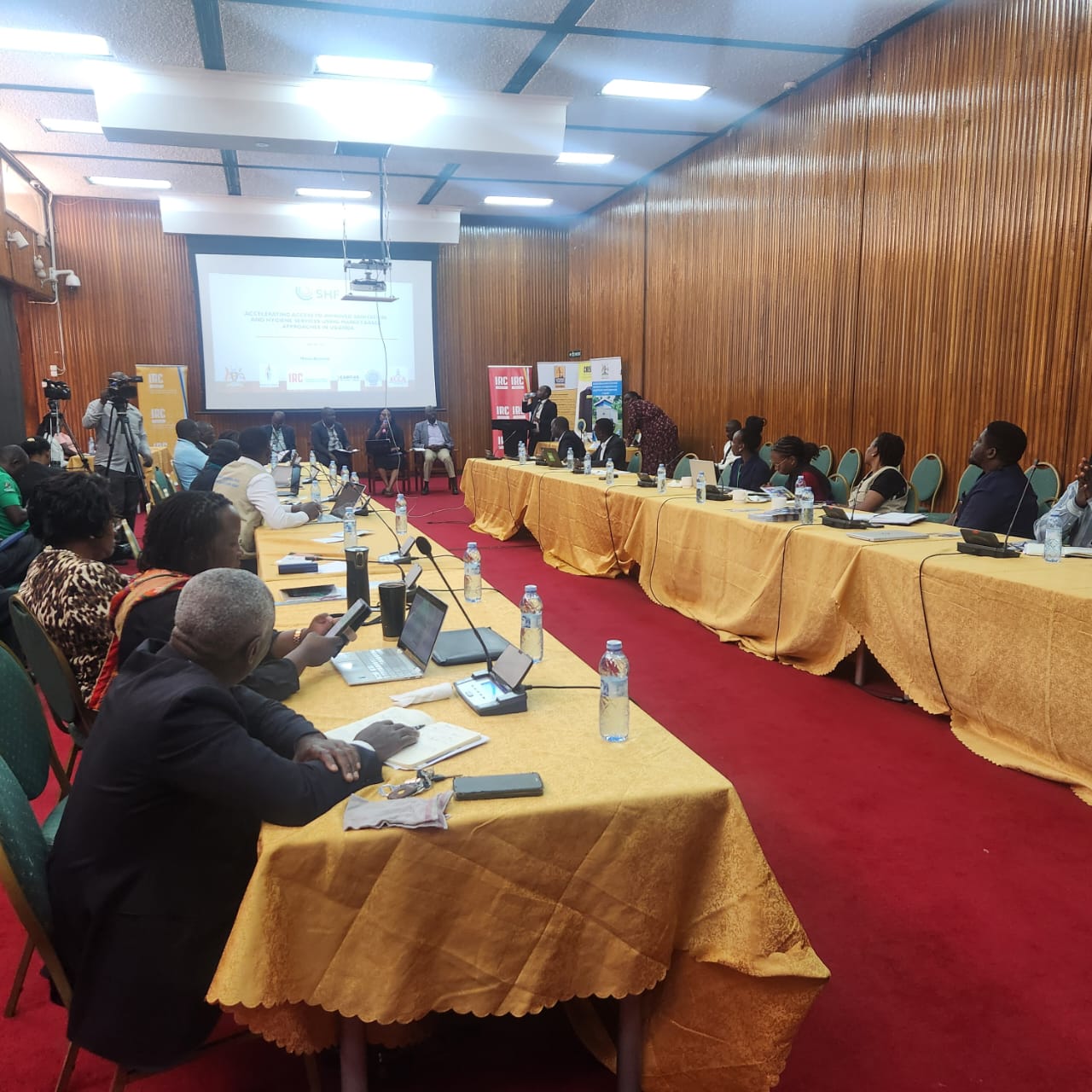
Lack of proper water, sanitation, and hygiene infrastructure in schools is causing girls to miss classes or drop out entirely, sparking urgent calls for government intervention and increased investment.
Stakeholders advocating for improved water, sanitation, and hygiene (WASH) in schools have raised alarm over the persistent lack of health and hygiene facilities, which they say is contributing to high absenteeism and school dropouts among girls.
The concerns were raised during a meeting convened by the Parliamentary Forum for Water, Sanitation, and Hygiene at Parliament, bringing together policymakers, researchers, and education officials.
Dr. Ibrahim Kasirye, Director of Research at the Economic Policy Research Centre (EPRC), underscored the negative impact of poor WASH facilities, particularly on girls who face stigma during menstruation.
“In an environment where there is inadequate WASH hygiene, especially in schools, there is a high risk that girls will miss school due to the stigma associated with the menstrual cycle,” Dr Kasirye said.
“This increases absenteeism, and in many cases, can lead to girls dropping out altogether.”
He warned that beyond the social costs, there are serious economic implications for families.
“Increased missing of school can precipitate dropping out of school, hence parents face a risk of losing the investment they made in their child’s education,” he added.
In response, Musa Birungi, Senior Education Officer from the Ministry of Education and Sports, reiterated the government’s commitment to improving sanitation facilities in schools.
“The government, through the Ministry of Education, is committed to providing sanitation facilities for schools as required, including incinerators to burn used materials like sanitary pads,” Birungi said.
The meeting concluded with a strong call for the government to prioritise funding for school WASH facilities in the national budget. Stakeholders argued that such investment is essential not only for improved health outcomes but also for reducing gender disparities in education.
By ensuring access to clean water, private washrooms, and menstrual hygiene resources, leaders believe the government can help safeguard the future of thousands of girls and ensure their right to a safe, dignified, and uninterrupted education.
