
For many diabetic patients in rural Uganda, the greatest challenge is not just affording medication—it’s what’s on their plate.
Patients are told to avoid beloved traditional dishes, limit their intake of familiar staples, and follow nutrition plans that often clash with their culture, habits, and way of life.
But why are these dietary restrictions so important? And why is nutrition, not just medicine, central to managing diabetes?
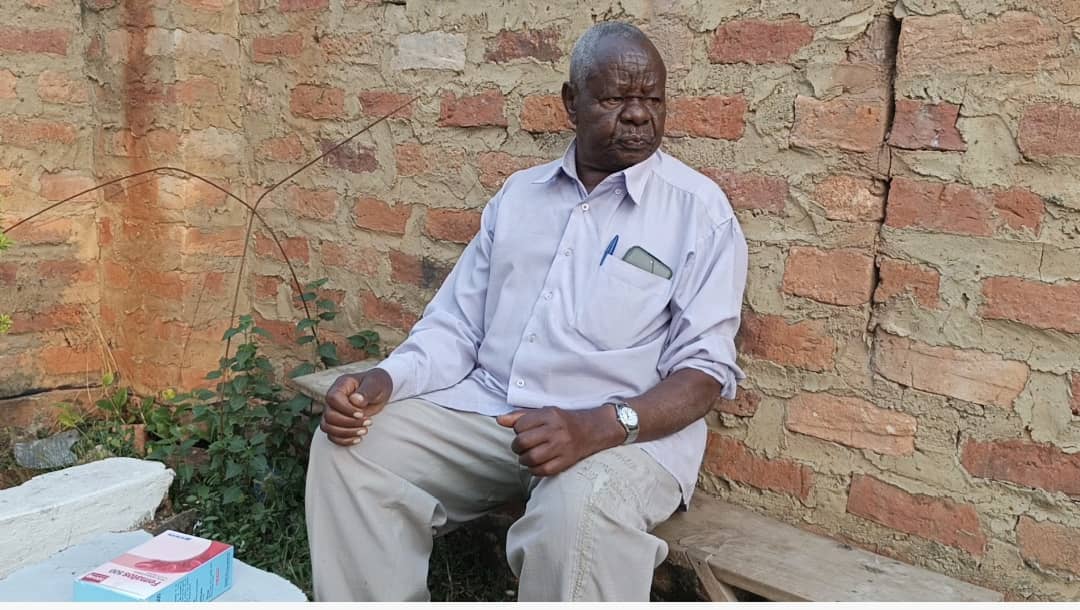
Frank Karemire Murumunawabagurutsi, a 75-year-old from Nyabubare in Ntungamo Municipality, has lived with diabetes for more than 20 years.
He recalls fondly the days when he could enjoy milk, meat, watermelon, avocado, and hearty servings of matooke without worry.
“I have suffered diabetes for 20 years,” he says. “I have moved from hospital to hospital where they gave me medication and told me not to eat avocado, watermelon, and other sugary foods, and to reduce matooke.”
The changes didn’t stop there. Doctors advised him to cut down on carbohydrates, avoid fatty meats, limit sugar, and eliminate milk altogether.
Giving up these familiar foods wasn’t just a medical adjustment—it was emotional. Still, Frank admits the discipline has helped him avoid complications and maintain stable sugar levels.
“It really hurt me when I was told not to drink milk or eat fatty meat,” he says. “It doesn’t give me peace, but I follow the doctor’s advice for my health.”
Across Uganda, many traditional meals—once seen as symbols of strength and nourishment—are being reduced or eliminated from the diets of diabetic patients. In places like Ntungamo, this shift is profound.
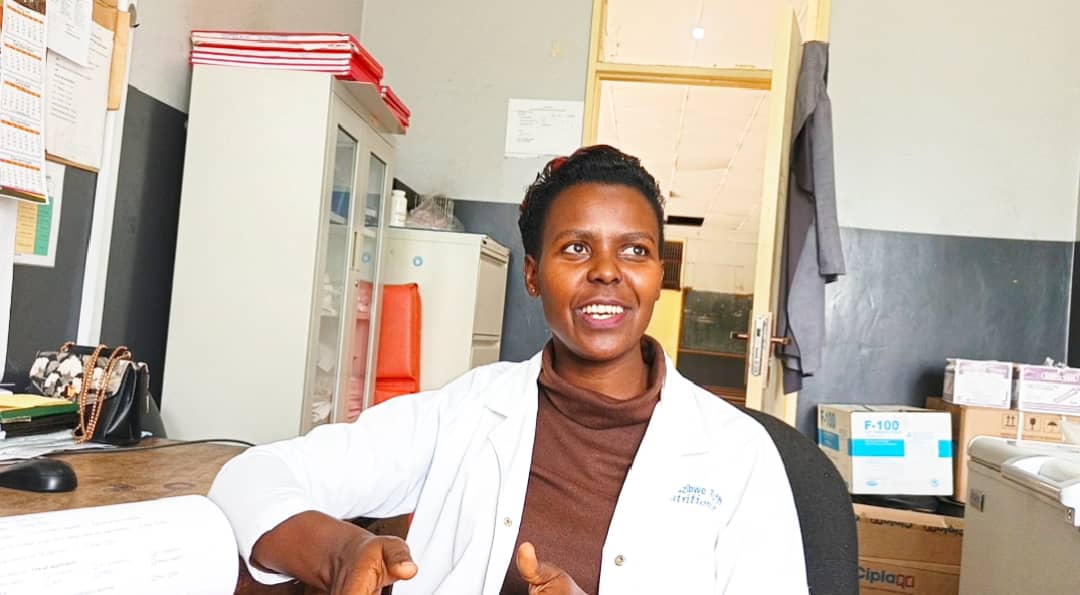
Ruth Ayebazibwe, a nutritionist in Ntungamo District, says managing diabetes goes far beyond pills or injections. It starts with what people eat.
“The commonest type we see is Type 2 diabetes. That’s where dietary restrictions come in,” she explains. “With Type 1, we usually administer insulin. But with Type 2, we focus heavily on diet.”
Ayebazibwe says patients are advised to reduce their intake of processed and refined carbohydrates, and to maintain a balanced diet using locally available alternatives. The goal is not to deny culture but to adapt within it.
“We always ask what a patient usually eats, then help them adjust. We discourage very high-saturated fatty foods. Unfortunately, many people are now leaning towards unhealthy choices,” she says.
A common challenge, she adds, is that patients often seek advice from fellow sufferers rather than trained professionals.
“People think that because someone else is living with diabetes, their advice must work. But that can be dangerous,” she cautions. “It’s important to get a personalised plan from a qualified health worker.”
According to Ayebazibwe, tailored diet plans that reflect a patient’s lifestyle and household resources are more sustainable than broad restrictions.
“There’s beauty in sitting with a health worker,” she says. “We create a plan based on what the person grows, what they cook, and their daily routine. That’s better than telling someone to stop eating posho or sweet potatoes without context.”
Bosco Muhumuza, a nutritionist at the Nutrition Rehabilitation Center in Mulago, shares a similar perspective. He believes the rural setting actually offers advantages—if properly used.
“In areas like Ntungamo, people can grow non-starchy vegetables like nakati and dodo,” he says. “These are affordable and ideal for diabetic patients.”
Muhumuza adds that the clarity and consistency of dietary advice is key.
“We tell them to avoid sugar-sweetened drinks like sodas and to limit starchy foods. It may sound strict, but it’s essential for their well-being.”
The path to managing diabetes, he says, is neither quick nor easy.
“Diabetes won’t heal overnight. It takes commitment—both from patients and health providers.”
In Uganda’s rural villages, where meals are deeply tied to culture and identity, adjusting to a new way of eating is no small feat.
But for people like Frank Karemire, the trade-off is worth it: fewer complications, better control, and more time to live.
