

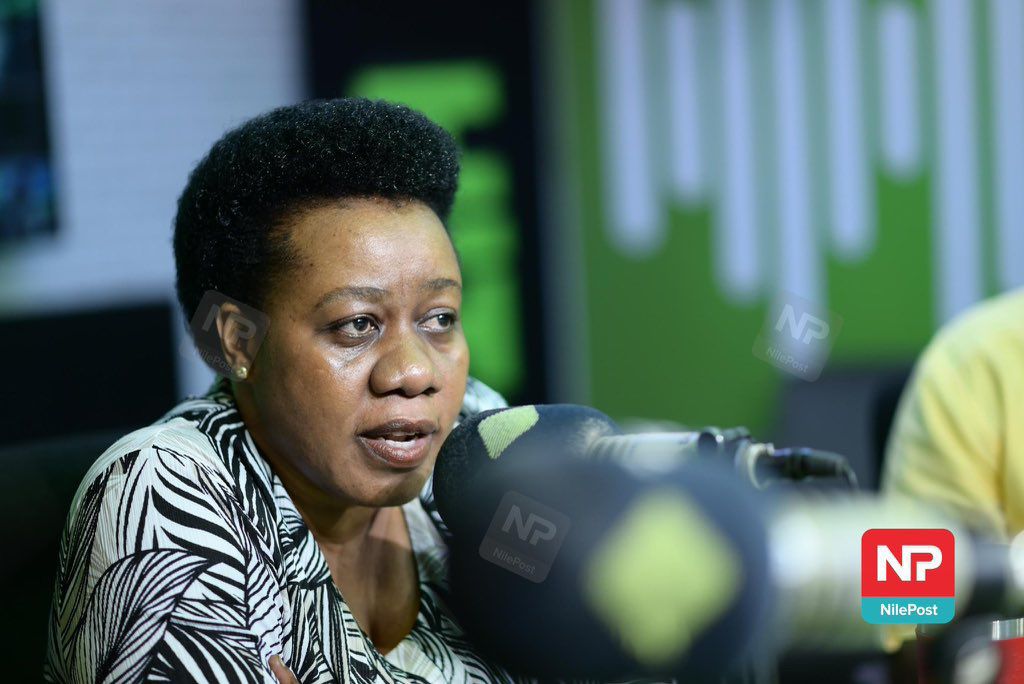
The Executive Director of the Centre for Constitutional Governance, Sarah Bireete, has urged the government to reduce spending on public holiday celebrations and channel the savings towards supporting medical interns, arguing that national priorities should increasingly focus on strengthening critical sectors such as healthcare.
Bireete said public holiday celebrations remain important for national unity, patriotism and civic education, but noted that many have become unnecessarily costly and overly politicised.
“Public holiday celebrations are not necessarily a waste, but we had turned them into a waste as a country,” she said.
She argued that while commemorations should be preserved because of their historical and educational significance, the scale and expenditure associated with them should be reviewed.
“They serve as uniting events, but we had turned them into partisan events. The events also serve for purposes of civic education and grooming the young generation into patriotic events of the country,” she said.
Bireete proposed scaling down the celebrations while retaining their core purpose of promoting national identity and educating citizens about Uganda’s history and values.
“We can minimize the public holiday celebrations to ensure that they remain to serve the purpose of civic education but cut down the costs involved,” she said.
According to Bireete, resources saved from such reductions could be redirected towards pressing needs within the health sector, particularly the welfare of medical interns.
“I wish the money saved from public holiday celebrations could go to medical interns because it is almost the same amount being looked for,” she said.
She noted that medical interns play a vital role in healthcare delivery, especially in regional referral hospitals and other public health facilities where staffing shortages remain a challenge.
Her remarks come amid growing concern within the medical fraternity over proposals that could see internship allowances abolished as part of broader reforms to medical training.
Health professionals have warned that removing the allowances would have serious implications for both healthcare delivery and the future of medical education in Uganda.
In a statement, medical stakeholders said the proposed changes risk undermining the country’s health workforce.
“This policy undermines clinical training, devalues medical labour, threatens morale, and sets a dangerous precedent for the future of Uganda’s health workforce,” the statement reads.
Medical practitioners argue that interns provide essential services in hospitals across the country, often working long hours under demanding conditions while supporting patient care, emergency services and clinical operations.
They have appealed to the government, the Ministry of Health and other relevant authorities to maintain internship allowances and protect a system they say is crucial for producing competent healthcare professionals.
The debate stems from proposals to shift pre-registration service requirements from the internship period into undergraduate medical training, a move critics say would effectively eliminate paid internships.
Health workers warn that while reforms aimed at improving medical education may be necessary, any changes should not come at the expense of trainee doctors or the quality of healthcare services.
The concerns come at a time when Uganda continues to face shortages of health workers in several regions, with experts arguing that retaining and motivating young medical professionals remains critical to strengthening the country's health system.