

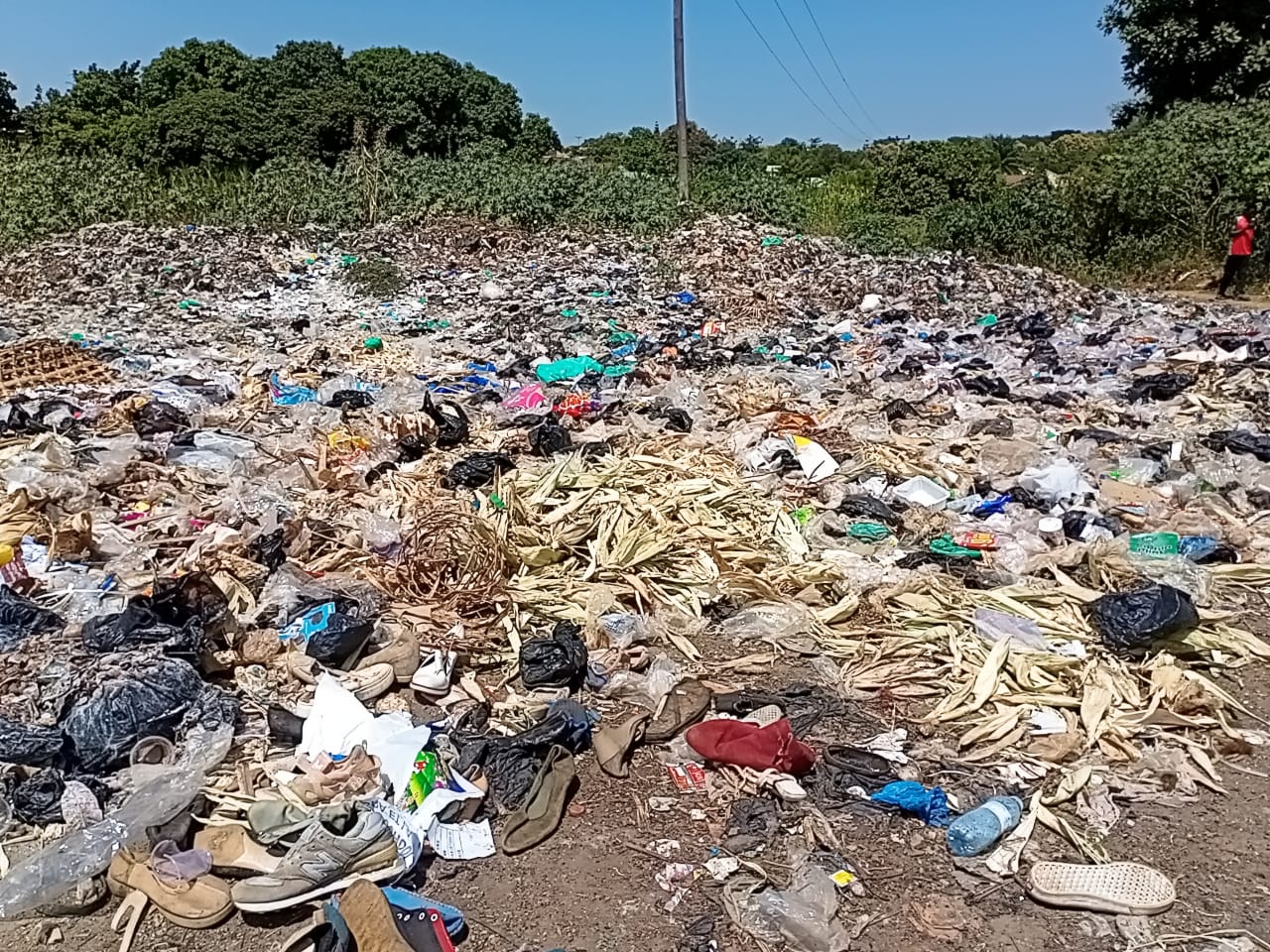
For years, Nebbi Municipality has treated garbage as a problem to be buried. Every morning, trucks dump tons of waste at the municipality’s overloaded dumping site near the main market, producing a stench that affects vendors, passersby, and food vendors in the area.
Now, entrepreneurs say the solution lies in treating waste as an economic resource rather than a burden.
According to Saviour Markristo, an entrepreneur advocating for waste recycling, there is a ready market for garbage that can be harnessed to create jobs and sustainable income.
“We can do waste segregation. Sort plastics that are being sold to processing plants in Parombo. We can target these wastes to make economic sense,” he said.
Markristo noted that large quantities of waste currently left idle at dumping sites could be turned into profitable ventures if properly managed.
He said plastics, scrap materials and biodegradable waste all have market value.
“There are companies that buy plastic waste, those dealing in scrap recycling and farmers who need manure to improve soil nutrients. All these can be turned into a venture that can make about Shs10 million a month and more than twelve million a year, which can generate income for the council, but action is lacking,” he said.
He added that biodegradable waste could be processed into manure, which is in high demand among farmers struggling with poor soil productivity due to limited access to organic fertilisers.
However, challenges in waste transport and management continue to affect the system, with casual workers bearing the heaviest burden.
At the dumping site, workers say they operate under difficult conditions, with poor protective gear and low pay of about Shs3,000 per day.
Lawrence Parwoth, a casual worker at the site, said the conditions are often unbearable, especially during the rainy season when the waste becomes more hazardous.
“We struggle a lot. The authorities say there’s no money, but we still work because we have to survive,” he said.
Workers have also turned to collecting and selling plastics as an additional source of income. According to them, they sell collected plastics to buyers such as Oyoma General Stores at about Shs400 per kilogram.
“We can collect about 60 kilograms and get Shs24,000, which we share among six people. On a good day, we get about Shs4,000 each, but sometimes even Shs2,000,” a worker said.
Despite these informal efforts, formal action from the municipality remains limited.
Howard Musa, the councillor for business and deputy mayor, said the municipality has engaged potential partners interested in improving waste management and turning garbage into a revenue source.
“An organisation from Mukono Municipality has engaged us on garbage waste opportunities. We believe through this partnership we will improve the income of casual workers, their conditions, and also maximise our revenue sources,” Musa said.
Nebbi Municipality continues to struggle with poor waste management, largely attributed to a broken garbage truck, limited funding and inadequate budget allocation for sanitation services.
While the idea of turning garbage into wealth has long been discussed informally, residents and stakeholders now say the real test lies in whether the municipality will move from discussion to implementation.