
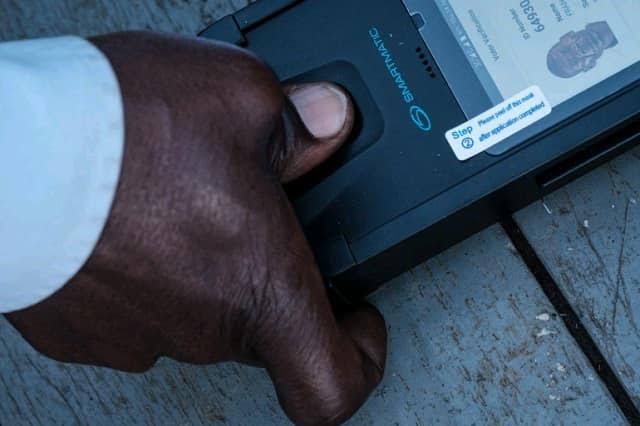
The Electoral Commission (EC) is facing growing scrutiny over its decision to restrict the newly acquired Biometric Voter Verification Kits (BVVK) to offline operation, maintaining the longstanding practice of physically transporting declaration of results (DR) forms to the national tally centre.
Critics argue that limiting the system to offline use defeats the primary purpose of biometrics, which is to reduce fraud by sealing potential loopholes in the vote-transmission chain.
The EC has defended the investment of shs 268.387 billion in the machines, saying the technology will speed up verification, with each voter requiring only 30 seconds.
But the absence of an internet connection has raised wider concerns about whether the system meaningfully strengthens election integrity.
In a supplementary budget request to Parliament, the EC outlined the major costs for the forthcoming electoral cycle, including Shs46.956 billion for ballot paper production, Shs32.450 billion for training biometric verification operators, and Shs25.914 billion for polling materials.
The Commission also wants Shs19.6 billion for a deduplication system, Shs9 billion for register and inventory machines, Shs6.3 billion for an Electronic Transmission Dissemination System, and additional allocations for gazetting and splitting polling stations and procuring polling forms.
Although shs 6.3 billion has been allocated for electronic dissemination of results, the EC says the BVVK machines will remain offline to prevent potential hacking.
An official explained that the results would “be transmitted as usual to avoid hacking,” a position that has attracted criticism from legislators and election observers who argue that the offline system does not prevent possible interference during the physical transfer of results.
Kira Municipality MP Ibrahim Nganda questioned the logic of deploying expensive technology without securing the most contested stage of the process.
He said the biometric verification programme had originally been promoted as a response to allegations of past vote rigging but would offer no solution if manipulation occurs during transit.
He argued that results are most vulnerable between the polling station and tallying centres, where the system remains unchanged.
According to the EC, each ballot paper will carry a barcode scanned by the offline biometric machine.
The machines will also scan every DR form and ballot booklet, with both the machine and physical forms transported to the tally centre to ensure consistency.
An EC representative said these steps were intended to preserve the integrity of the captured data.
Other critics said the commission should have piloted the technology during recent by-elections to test reliability before full deployment.
The EC has begun training its officers to operate the system, insisting that the machines will improve efficiency on polling day.
The debate now turns to whether the substantial investment in biometric technology will translate into a more credible election, given that the final and most critical stage of results transmission remains manual and exposed to potential interference.
