
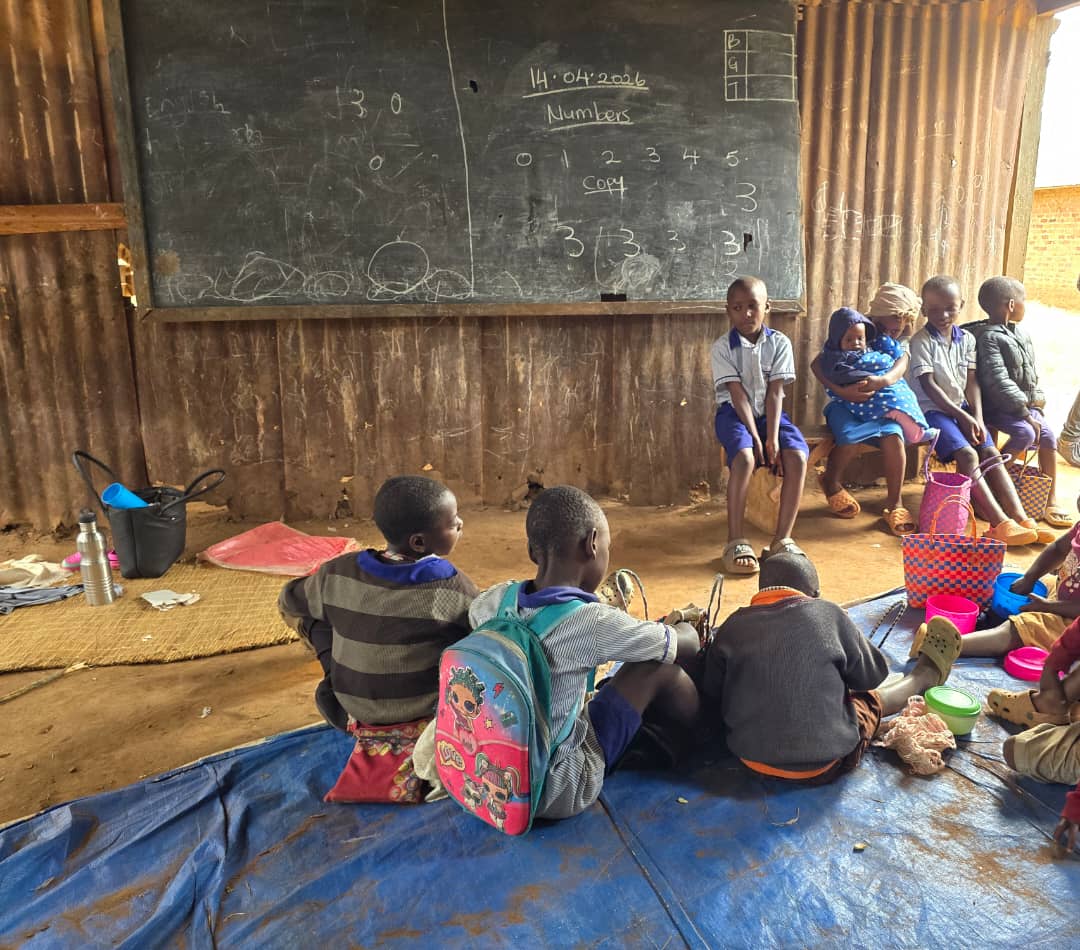
The Baseline Education Census (BEC) 2025 has exposed a growing age-enrolment mismatch in Uganda’s education system, with millions of learners attending school outside the official age brackets.
According to UBOS, 22.5 percent of pre-primary learners are above the official age group.
The report released on Thursday shows 1,807,626 children aged three to five years, 534,366 aged six years and above, and 32,682 aged two years and below.
Females constitute 49 percent of pre-primary learners, while the male-to-female distribution shows imbalance at early childhood level.
At primary level, Uganda has 9,118,314 learners, with females accounting for 4,586,970 and males 4,531,344.
However, 26.7 percent of primary learners are above the official school age of 6–12 years.
The breakdown shows 95,312 learners are below six years, 6,589,436 are within the official age bracket, while 2,433,566 are aged 13 years and above.
This indicates significant inefficiencies in age-grade progression within the education system.
The report further reveals that 76.4 percent of secondary school learners are within the official age bracket of 13–18 years, while a notable proportion are either younger or older than expected.
Secondary enrolment stands at 2,008,133 learners nationally, with females accounting for 1,069,855 and males 938,278.
At class level, Senior One has the highest enrolment with 508,769 learners, while Senior Six has the lowest with 129,596.
In terms of gender, females constitute 53.3 percent of secondary learners, reflecting a slight dominance over males.
The census points out that Uganda’s education system continues to struggle with timely progression, pointing to repetition, late school entry, and dropout pressures.
