
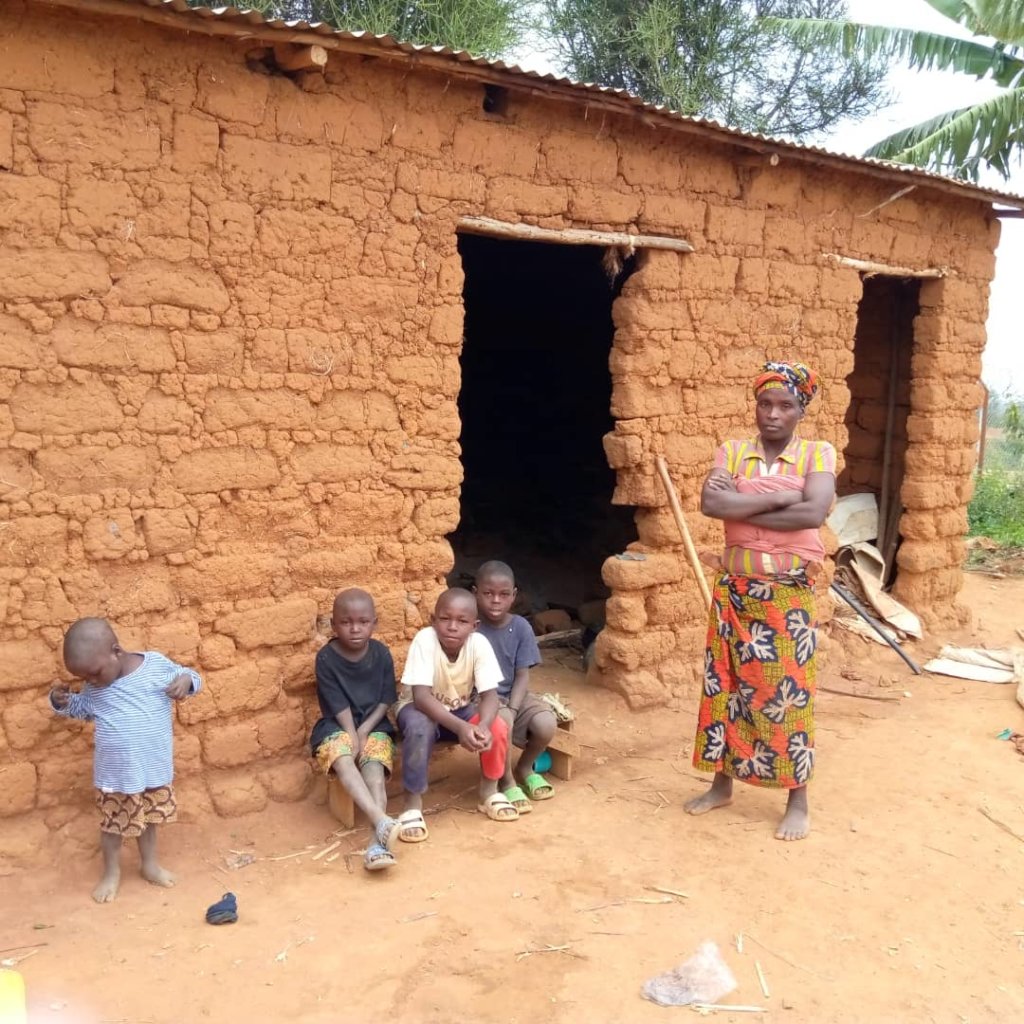
Uganda’s household welfare structure remains highly unstable, with 8.9% of households trapped in chronic poverty across three consecutive survey years, according to the latest report released by the Uganda Bureau of Statistics.
The findings, contained in the UBOS Harmonised Integrated Survey Report, show that poverty in Uganda is becoming increasingly dynamic rather than permanent, with many households frequently slipping into or recovering from deprivation.
According to the report, 14.5% of households fell into poverty during the survey period, while 9.7% managed to escape poverty, highlighting uneven economic mobility and persistent vulnerability among Ugandan households.
UBOS said the transitions were tracked across three consecutive survey years between 2021/22 and 2024/25, providing one of the country’s clearest long-term pictures of welfare movement and livelihood changes.
The report suggests that poverty is no longer confined only to households that remain consistently poor, but increasingly affects families exposed to economic shocks, unstable incomes, rising living costs and livelihood disruptions.
Despite progress in several social indicators, UBOS noted that income security remains fragile for a significant portion of the population.
Access to improved water sources rose from 70.2% in 2022 to 78.4% in 2025, while household access to grid electricity increased from 25.3% to 29.5%, reflecting gradual expansion in infrastructure and basic service delivery.
The education sector also registered notable gains.
Literacy rates among persons aged 10 years and above increased from 73.6% to 85.3%, while rural literacy improved from 67.8% to 83.2%.
School attendance among children aged between six and 12 years also rose sharply from 85.5% to 94.6%, indicating improved participation in primary education.
The survey further revealed significant growth in financial inclusion, particularly through digital platforms.
Mobile money access among persons aged 15 years and above increased from 34.4% to 47.7%, representing a 13.3 percentage point rise over the survey period.
Bank account ownership also rose from 6.0% to 8.1%, while access to banking services increased from 10.7% to 13.4%.
However, the report also revealed signs of tightening household liquidity and borrowing capacity.
Credit in kind declined from 16.1% to 14.1%, while cash borrowing dropped from 15.3% to 13.4%, suggesting reduced access to both formal and informal credit systems.
Labour market indicators presented mixed results.
Unemployment rose slightly from 10.2% to 11.0%, even as non-farm wage employment increased from 14.9% to 17.9%.
At the same time, subsistence work declined from 30.4% to 25.8%, pointing towards gradual structural shifts away from traditional rural livelihoods.
The report also tracked labour mobility patterns, showing that 21.8% of individuals transitioned into employment, 5.5% moved into unemployment, while 21.3% exited the labour force entirely during the survey period.
Household enterprise activity also expanded modestly, rising nationally from 36.9% to 38.8%, while rural household enterprise activity increased from 34.3% to 36.3%.
UBOS said the findings reflect a population increasingly navigating between farming, informal employment and small-scale business activity as households seek alternative income sources.
Overall, the survey paints a picture of a country experiencing measurable improvements in education, infrastructure and financial access, but still grappling with unstable incomes and persistent vulnerability to poverty.
The harmonised survey integrates the Uganda National Panel Survey and the Annual Agricultural Survey into a unified national tracking system covering the period from 2021/22 to 2024/25.
Enumeration areas were grouped into 15 statistical sub-regions with similar socio-economic characteristics to allow consistent monitoring of household welfare, agriculture and broader socio-economic trends over time.
