
The Uganda Bureau of Statistics (UBOS) has reported significant improvements in education outcomes, literacy levels, access to basic services, and employment patterns, indicating a gradual structural shift in the country’s economy away from subsistence agriculture.
The findings were presented during the dissemination of results from the Uganda Panel Survey covering waves between 2021/22 and 2024/25, alongside other national statistical reports.
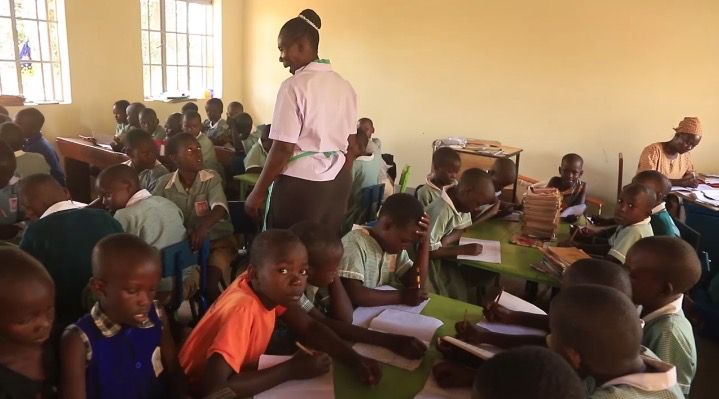
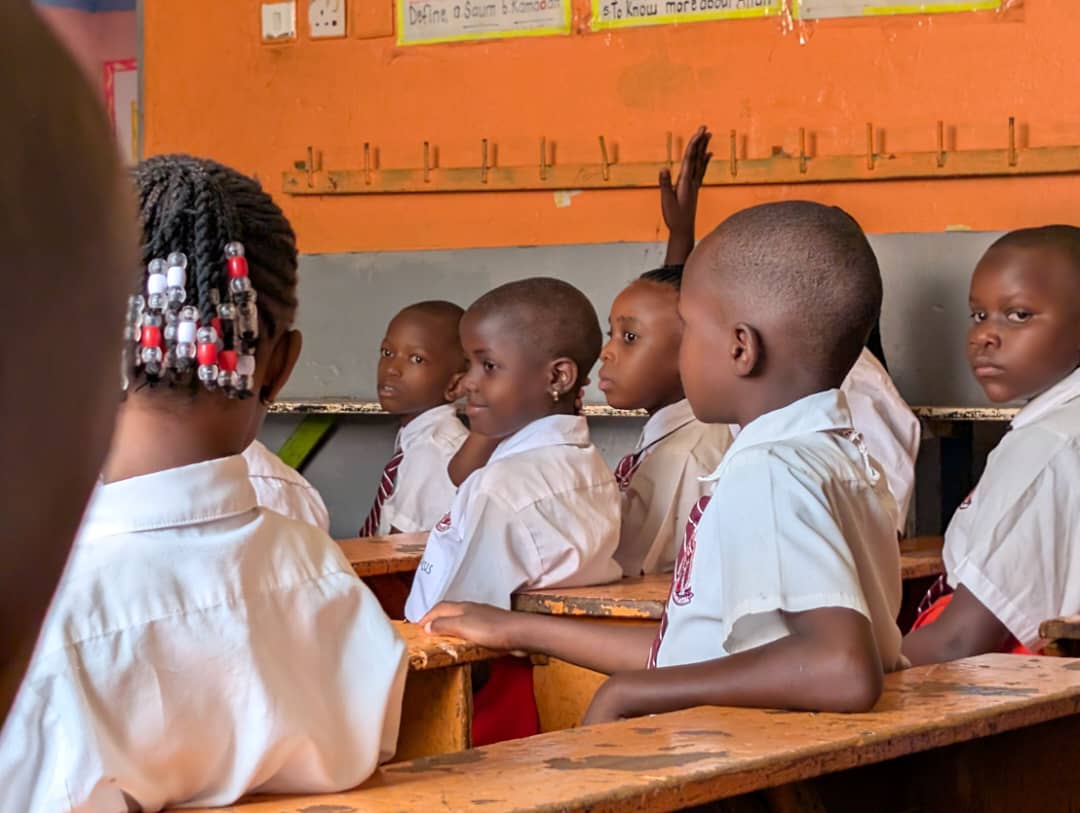
According to UBOS, school attendance among children aged six to 12 years rose from 85.5% in 2021/22 to 94.6% in 2024, reflecting a 9.1 percentage point increase.
The survey also tracked learner retention over time. UBOS said 97.1% of pupils who were in Primary One in 2021/22 remained in school by 2024/25, while 75.5% of those who were in Primary Seven during the same period were still in school by 2024/25.
At secondary level, 18.9% of students who were in Senior One in 2021/22 were still in school by 2024/25, while 41.5% of Senior Four learners remained in education over the same period.
The statistics body also recorded notable gains in literacy.
“Literacy rates increased by 11.7 percentage points at the national level from 73.6% in 2021/22 to 85.3% in 2024/25,” UBOS officials said.
In rural areas, literacy rose from 67.8% to 83.2%, a 15.4 percentage point improvement.
The labour force data suggests a slow but steady transformation in Uganda’s employment structure, with fewer people relying solely on subsistence farming.
UBOS reported a decline of 8.3% in employment within agriculture, forestry, and fishing between 2021/22 and 2024/25, while non-farm wage employment and self-employment increased.
The report also shows a gradual shift away from elementary occupations toward more skilled roles.
Professional occupations increased by 1.3%, while managerial roles also recorded a slight rise.
On labour transitions, UBOS noted that 21.8% of individuals moved into employment during the survey period, while 5.5% entered unemployment and 21.3% exited the labour force entirely.
Household welfare indicators also showed improvement.
Access to improved water sources within one kilometre rose from 70.2% in 2021/22 to 78.4% in 2024/25.
Households using grid electricity for lighting increased from 25.3% to 29.5%, with urban areas continuing to outperform rural communities.
Financial inclusion also improved slightly, with the proportion of adults aged 15 and above holding bank accounts rising from 6% in 2021/22 to 8.5% in 2023/24.
UBOS further reported a rise in households operating non-farm enterprises, increasing from 34.3% to 36.3% over the period.
Officials said the data will help guide government planning and policy formulation by tracking socio-economic progress, labour market changes, and household welfare trends.
