
Uganda’s inflation in February 2026 was largely driven by rising food prices, with smoked tilapia and maize flour emerging as the biggest contributors, according to the latest Consumer Price Index (CPI) report released by the Uganda Bureau of Statistics.
Headline inflation on a monthly basis rose by 0.3% in February, matching the rate recorded in January. While the overall figure signals relative macroeconomic stability, underlying data shows mounting pressure on essential household commodities—particularly food staples that account for a significant share of consumer spending.
Smoked Tilapia Registers Sharp Increase
Smoked tilapia posted one of the most pronounced price movements. On an annual basis, its inflation rate rose to 14.3% in February 2026, up from 0.0% recorded in January.
In nominal terms, the price of a kilogram of smoked tilapia increased from Shs36,547 in January 2025 to Shs36,882 in January 2026, before jumping to Shs40,894 in February 2026. The steady rise reflects tightening supply conditions alongside sustained demand for affordable protein sources.
Maize Flour Prices Climb
Maize flour, a key staple for households and institutions, also exerted upward pressure. The annual rate of price change climbed to 10.8% in the 12 months to February 2026, compared to 2.8% in the year ended January 2026.
Price data shows that a kilogram of maize flour rose from Shs2,422 in January 2025 to Shs2,624 in January 2026, before increasing further to Shs2,718 in February 2026.
Juliet Nakayenga, Principal Statistician at UBOS, attributed the spike largely to seasonal demand linked to the first school term.
“For example, demand for maize flour has pushed prices high because children have gone back to school, so households compete with schools,” Nakayenga explained.
The reopening of schools typically triggers bulk purchases by educational institutions, temporarily raising aggregate demand and tightening market supply. This predictable seasonal cycle often results in upward price adjustments, particularly for staple foods.
Nakayenga also noted that certain commodities respond quickly to rising costs but adjust downward more slowly when supply improves, contributing to persistent price levels.
Broader Market Dynamics
Uganda’s status as an open economy further shapes domestic prices. Cross-border trade flows, regional supply dynamics, transport costs and exchange rate movements can influence local markets. External shocks may therefore amplify domestic inflationary pressures, especially within food categories.
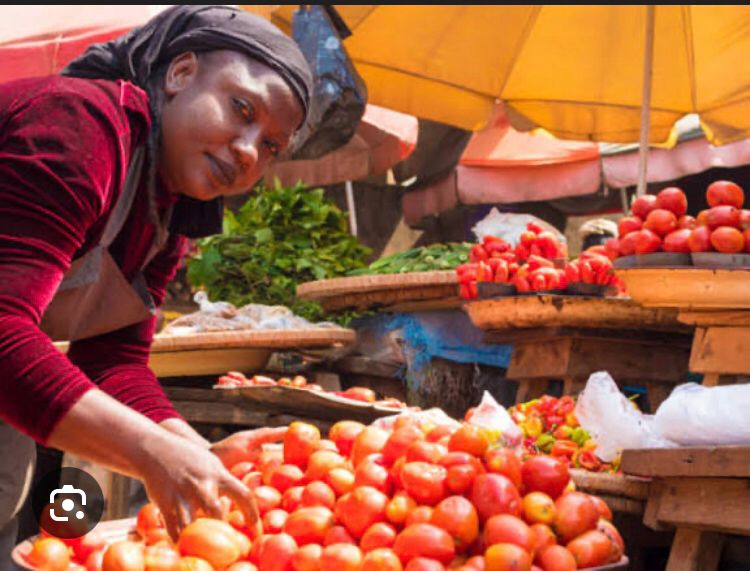
Beyond smoked tilapia and maize flour, other food items recorded notable changes. Green cabbage prices increased by 6.2%, reversing a 3.1% decline in January, while tomatoes rose by 3.0%, compared to a 1.7% contraction the previous month. These fluctuations are typical of fresh produce markets, which remain sensitive to seasonal harvest cycles, weather conditions and distribution costs.
However, price pressures were not uniform across the food basket. On a monthly basis, beef registered a slower increase of 0.5%, down from 1.7% in January. Fresh tilapia inflation also eased to 5.0%, compared to 8.3% in the preceding month. This suggests inflationary pressures remain concentrated in specific commodities rather than broadly spread.
Implications for Households
The February data carries important policy implications. Increases in staple foods directly affect household welfare, particularly among low- and middle-income earners who allocate a substantial share of their income to food.
Sustained price increases in maize flour and fish risk eroding purchasing power and intensifying cost-of-living pressures. The seasonal nature of the spike also highlights the need for improved food supply planning, particularly during predictable high-demand periods such as school reopening.
Investments in storage infrastructure, enhanced agricultural productivity and more efficient distribution systems could help cushion temporary supply-demand imbalances.
Although headline monthly inflation remains contained at 0.3%, sharp increases in essential staples serve as an early warning signal. Close monitoring of food markets, alongside targeted interventions along the value chain, will be critical to maintaining price stability and protecting household purchasing power in the months ahead.
