
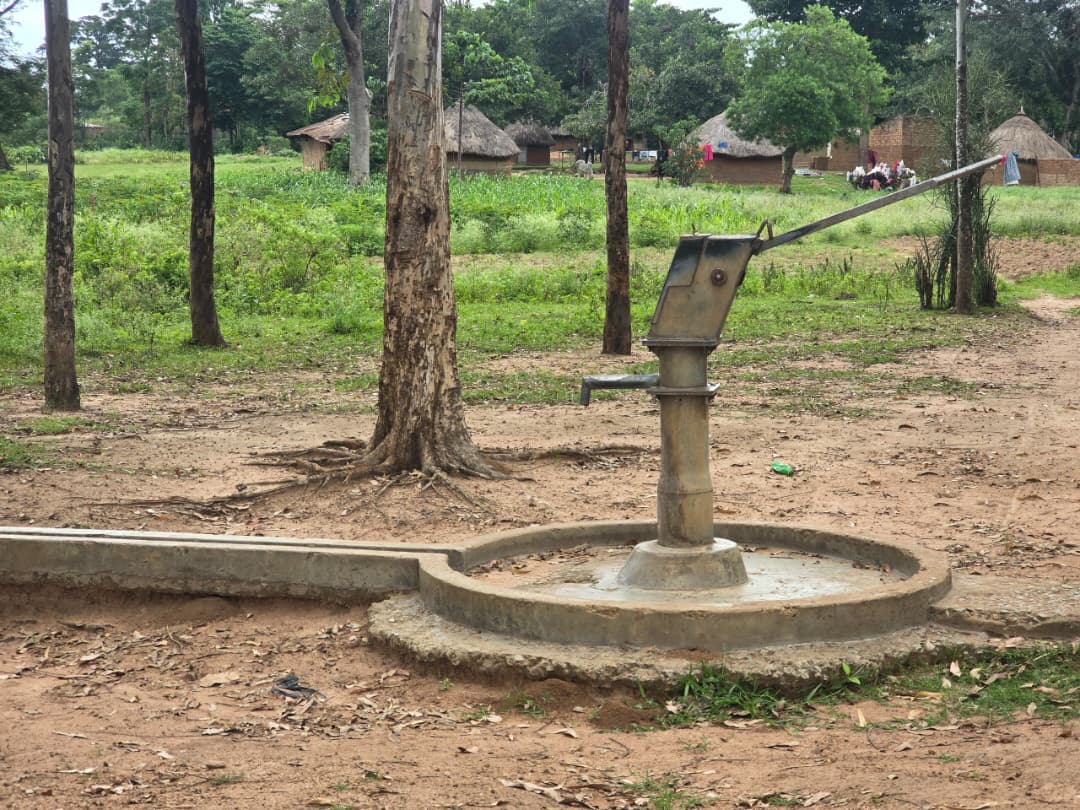
Access to clean and safe water remains a pressing challenge for many residents in Tororo District, as a growing number of community boreholes fall into disrepair.
The district, which previously recorded water coverage of up to 75 percent, is now experiencing a significant setback. Several boreholes have broken down and remained unrepaired for months, triggering a severe water shortage across affected communities.
As a result, residents have been forced to return to unsafe and unprotected water sources that had long been abandoned. Many now walk long distances in search of water, disrupting daily routines and livelihoods.
“Our women spend almost the entire day looking for clean water. Sometimes we end up having lunch as late as 4pm. Things are not okay,” said Samuel Otim, a community leader.
Schools are among the hardest hit, with the crisis affecting both learning and attendance. In many cases, pupils are forced to leave class in search of water that is not only far away but also unsafe for consumption.
“You can imagine our children do not even have lunch at school, and there is no water. There is also serious absenteeism among girls, especially in Primary Six and Seven,” said Bisaisio Olowo, a headteacher.
The situation is also raising health concerns among teachers and education officials, as poor hygiene practices due to lack of water increase the risk of disease transmission in schools.
“Children visit latrines and do not wash their hands before returning to class. Remember, these same books are later handled by teachers,” noted Noah Okumu, Secretary for Health and Education in Tororo.
According to the district education department, at least 74 government schools are currently grappling with the water crisis.
“We have advised schools to schedule when learners can go to fetch water, preferably after class. Otherwise, the situation is dire,” said Denis Tabu, the District Inspector of Schools.
District leaders attribute the crisis to budget cuts in the water sector. In the current financial year, Tororo District received about 300 million shillings, a sharp drop from more than one billion shillings previously allocated.
“Just look at the size of this district—what can you do with 300 million? Government should come in and rescue the situation,” said District Chairperson John Okea.
Despite the challenges, authorities remain optimistic that ongoing water-for-production projects will offer long-term relief.
“We have drilled about 11 production wells and are now waiting for installation, which requires about Shs70 billion. Once completed, we hope such challenges will be a thing of the past,” explained District Water Officer Leo Adongo.
In the meantime, faith-based leaders have stepped in to provide immediate support. Bishop Girando Olukol of Pentecostal Outreach Church is leading efforts to repair broken boreholes across the district.
“We visited hospitals and found our people suffering from typhoid. I said I must help my people—that is how this initiative started,” Bishop Olukol said.
The initiative is targeting at least 50 boreholes in the district. “We have worked on hundreds of boreholes before, and currently we have 50 broken ones that need urgent attention. By God’s grace, we shall work on them,” he added.
However, with the scale of the crisis still overwhelming, Bishop Olukol has called on well-wishers and development partners to support efforts aimed at restoring access to safe water.
As authorities pursue long-term solutions, communities in Tororo continue to endure the daily struggle for one of life’s most basic necessities—clean and safe water.
