
Emerging geopolitical tensions, economic challenges, and the escalating conflict in the Middle East are expected to dominate the 25th Ordinary Summit of Heads of State of the East African Community (EAC), scheduled for March 7 in Arusha, Tanzania.
The summit, the first since 2024, comes at a time when the eight-member bloc is grappling with internal diplomatic strains, security concerns, and growing international pressures that threaten regional cohesion.
Central to the agenda are deteriorating relations between the Democratic Republic of the Congo and Rwanda, driven by renewed hostilities linked to the M23 rebel group in eastern Congo. Kinshasa has repeatedly accused Kigali of backing the insurgents—an allegation Rwanda denies.
The situation has drawn global attention, culminating in U.S. sanctions on certain Rwandan officials over alleged support to the group.
Policy analyst Mathias Ssemanda told Nile Post that the summit is a critical moment for member states to clarify positions and evaluate collective security.
“Some heads of state may want to question whether members are genuinely aligned with them or could be used by major powers against their interests,” he said.
Observers warn that the relative silence of some East African leaders on the sanctions and the Congo crisis could complicate discussions.
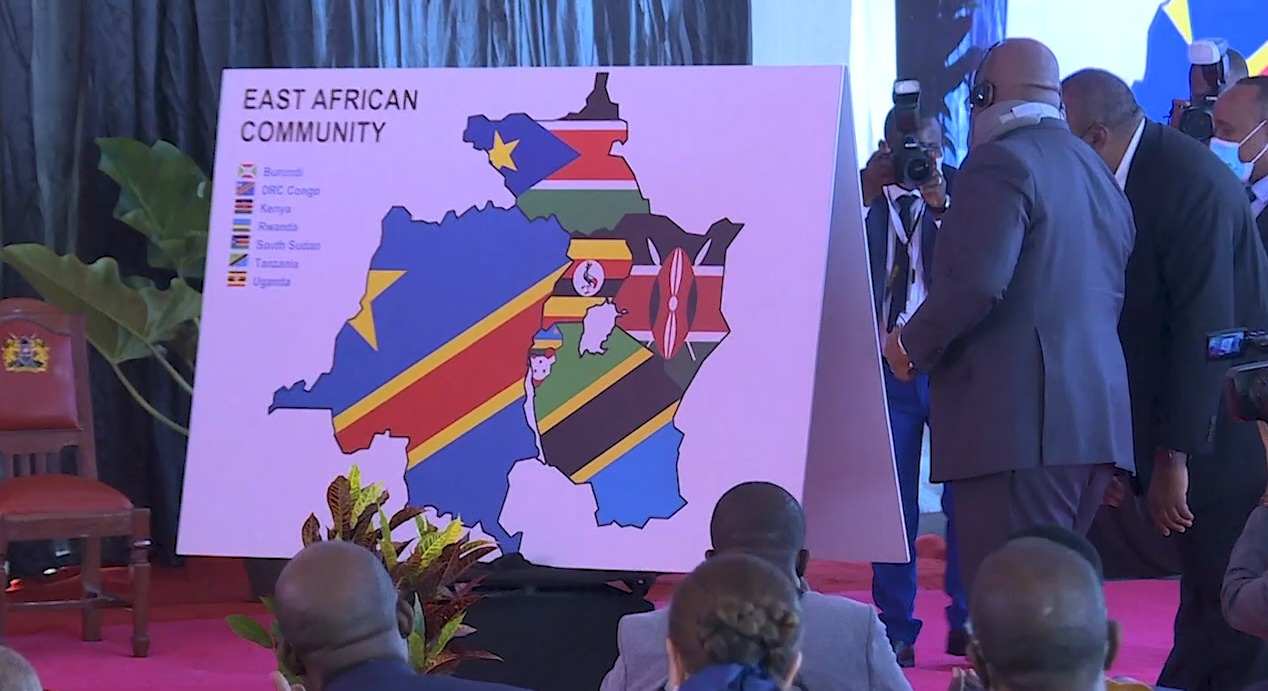
The EAC now comprises eight member states: Uganda, Kenya, Tanzania, Rwanda, Burundi, the Democratic Republic of the Congo, South Sudan, and Somalia, the bloc’s newest entrant.
While expansion reflects growing regional ambition, it has also added diplomatic complexity. Past summits have been overshadowed by political rifts, occasionally affecting participation, dialogue, and implementation of resolutions.
Economic integration faces persistent hurdles. Traders to South Sudan report frequent disruptions at border points, including high taxes, administrative bottlenecks, and non-tariff barriers that undermine regional trade liberalisation.
These challenges come amid inflationary pressures, currency volatility, and external debt burdens.
The summit, held under the theme “Deepening integration for improved livelihoods of EAC citizens,” will need to address both political disputes and practical impediments affecting citizens and businesses.
Middle East conflict casts a shadow
Global instability in the Middle East also complicates the summit. Missile and aerial exchanges involving Israel, the United States, and Iran have heightened uncertainty, with direct implications for East Africa in trade, security cooperation, and diplomacy.
Ssemanda noted, “Israel, Iran, and the U.S. have embassies in Nairobi and maintain special relations with most EAC members, so how heads of state approach this issue is crucial.”
Countries such as Uganda and Kenya, which maintain strategic ties with Washington and Tel Aviv, may find global dynamics shaping both the tone and substance of the Arusha deliberations.
Questions remain about attendance, as political disagreements have previously led to absences that weaken dialogue and delay the execution of decisions.
As the region faces security instability, trade disruptions, and geopolitical crosscurrents, the Arusha summit is shaping up as more than a routine gathering—it represents a critical test of whether the EAC can reconcile internal divisions, withstand external pressures, and reaffirm a shared vision for integration.
