
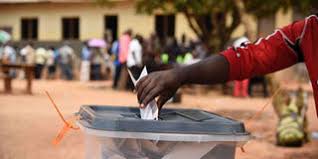
Uganda’s political landscape is once again challenging voters to confront their choices.
Analysts argue that activism and collective citizen resistance may be among the last options for Ugandans to reclaim their constitutional rights under Article 1, Clause 4, which gives power to citizens to determine their governance.
Yet, in a system dominated by entrenched party interests and widespread disenfranchisement, how can the average voter escape the clutches of "bastardised" politics?
The recent years have offered harsh lessons for Uganda's electorate. Since the 2021 election, citizens, represented by outspoken MPs like Luttamaguzi, have voiced their frustrations, only to see their concerns overshadowed by party agendas.
Kampala's Lord Mayor, Erias Lukwago, captures the sentiment, attributing voter disillusionment to what he calls the "bastardization" of Ugandan politics. "People are frustrated, hopeless, disenchanted," he says.
"They see no hope in getting good leadership through these electoral processes, making the vote feel futile."
To Lukwago, meaningful change requires action beyond the ballot.
"It’s no longer just about voting. It’s about influencing the process leading to the polls," he argues, calling for active engagement through protests and other forms of resistance.
Political analyst Godber Tumushabe shares this view, advocating for "collective citizen resistance."
Uganda’s history reflects a tradition of citizen-led protests, such as the Age Limit demonstrations that challenged the ruling National Resistance Movement (NRM) and resulted in losses for several party MPs and ministers.
In 2021, a protest vote from Buganda again highlighted voter discontent.
Yet even with these signals, opposition parties have faced criticism for falling short of their promises to the electorate.
NRM information officer Rogers Mulindwa Dombo admits that mistakes were made, blaming "lies and poor ground mobilization" for the ruling party's setbacks. "NRM paid the price," he acknowledges.
"Some of our leaders promised heaven on earth. It’s time they explain those promises."
Voters are now at a crucial juncture: Should they continue to support opposition parties that yield limited results, or risk being marginalized by the ruling party’s agenda?
Lukwago suggests that Ugandans must assess their options carefully.
As Uganda moves closer to the next election, a pivotal question remains: Will citizens rally to break free from the cycle of broken promises and disillusionment, or will the "bastardized" political system tighten its grip?
The answer may lie in whether voters embrace activism and resist the status quo, making their voices resonate well beyond the ballot box.
