
In a region long characterized by political dynasties, Africa is witnessing the gradual crumbling of some of its entrenched power legacies.
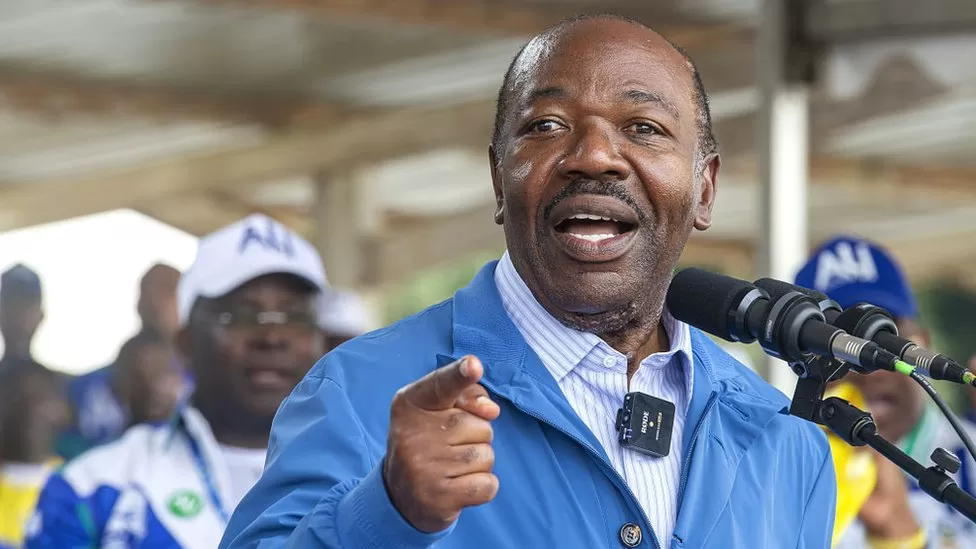
The most recent development comes from Gabon, where the Bongo dynasty's half-century grip on the presidency has been brought to an end following a military takeover.
This trend has sparked discussions about the implications for the continent and what African leaders can glean from these events.
While dynastic politics are not unique to Africa, the way they are managed in the region differs significantly due to the presence of functional democratic structures in other parts of the world.
According to political analyst Sam Kazibwe, countries like the United States and India also have political dynasties, but they operate within democratic frameworks that allow for fair competition.
Kazibwe noted that in these countries, outsiders can compete effectively outside of family circles.
However, the challenge in Africa lies in the harassment faced by non-dynastic candidates, which often forces them to give up their aspirations.
Gabon's situation is not unique. In Equatorial Guinea, President Teodoro Obiang has already positioned his son, Teodoro Nguema Obiang Mangue, as vice-president, seemingly paving the way for a dynastic succession.
Similarly, in Congo-Brazzaville, President Denis Sassou-Nguesso appointed his son Denis-Christel as a cabinet minister, leading to speculations about a dynastic succession plan.
Back in Uganda, there are speculations that Gen Muhoozi Kainerugaba, the first son of President Museveni, may be eyeing the presidency, although President Museveni has not made any official announcement on the matter.
This situation differs from the aforementioned cases in that Museveni came to power through military means and has held onto it in a similar fashion, prompting critics to raise concerns about dynastic succession by force.
The implications of these dynastic politics in the long run remain uncertain. Some argue that these transitions can be organic when individuals close to power learn valuable lessons and gain experience.
However, there is a growing consensus that these dynasties could be ticking time bombs if African countries do not prioritize democracy and fairness. Trust in institutions is eroding, making it easier for opposition forces to exploit the perceived capture of government systems and stage coups.
Sam Kazibwe, the political analyst, warns that "the institutions are facing their strongest challenge yet, having lost trust. To prevent unrest and ensure stability, countries like Uganda need to prioritize democracy and fairness."
As Africa grapples with these shifting political landscapes, it remains to be seen whether leaders will heed the lessons of the crumbling dynasties or continue down a path of uncertainty and potential instability.
