
By Serina Nagujja
While headlines often highlight disease outbreaks less focus is given to those that never got out of control. Uganda’s Public health record is not only about epidemics but also about remarkable successes in preventing disasters. From Ebola and Marburg to polio, cholera, and COVID-19, the country has repeatedly shown its ability to detect contain and defeat some of the world’s most dangerous diseases.
Alan Kasujja the Executive Director of the Uganda Media Centre, stated that some International media have written headlines that have unfairly depicted Uganda as the Ebola epicenter by combining its figures with those of the Democratic Republic of Congo. He called this reporting “malicious framing” that does not accurately reflect Uganda’s situation.
''The Real Ebola Story is not in Uganda, it is in the Eastern Part of the Democratic Republic of Congo, Theres no Situation getting out of hand in Uganda, Uganda has always been honest about its challenges, Uganda has managed Ebola very Effectively before, Corona Virus, HIV/AIDS and others so we are very experienced about situations like these''. 'He said.
The Long Battle Against Ebola
Few countries have as much experience fighting Ebola as Uganda does.Since the devastating Ebola outbreak in Gulu .In 2000, the country faced repeated outbreaks of the virus. New outbreaks occurred in Bundibugyo in 2007, in several districts in 2011, 2012 and again in 2022 and 2025.Every outbreak generated fear, uncertainty and the danger of widespread transmission. Nevertheless health authorities responded swiftly each time.
During the 2022 Sudan Ebola outbreak, Uganda recorded 164 confirmed cases in nine districts. Health workers launched an aggressive response that included contact tracing, patient isolation, laboratory testing, and community education. Within months,the health workers had halted transmission.
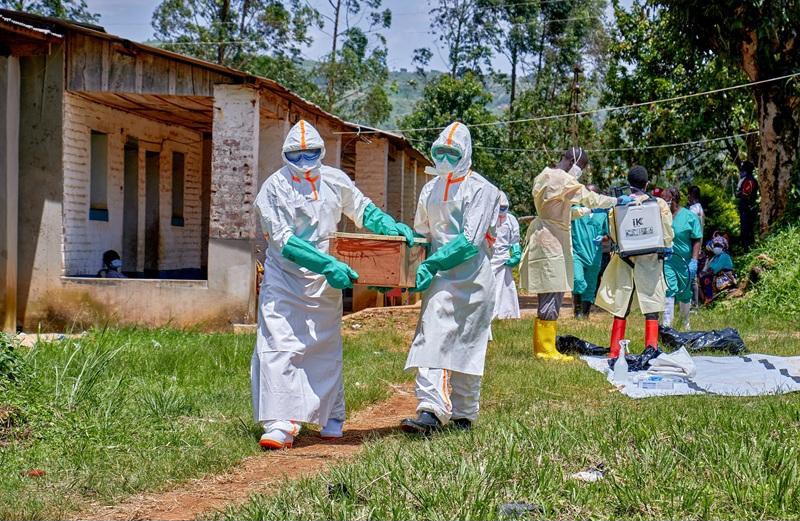
In September 2022 fear spread across parts of Uganda as reports of a deadly Ebola outbreak emerged. Villages in central Uganda watched anxiously as health workers in protective suits moved from house to house tracing contacts. Memories of previous outbreaks resurfaced and many feared the disease would sweep across the country. However only four months afterward Uganda announced that the outbreak was over. It was not the first time—and it would not be the last—that Uganda faced a dangerous epidemic and contained it before it became a national catastrophe.
During the 2025 Ebola outbreak, the response was notably impressive. Authorities tracked hundreds of contacts, tested thousands of lab samples, and successfully contained the outbreak in only 87 days. Additionally, the country achieved its highest Ebola survival rate ever.
For public health experts these achievements reflected years of preparation and hard earned experience in prevention. According to Dr Daniel Kyabayinze-Director Public Health, . ''70 percent of the government health budget is for prevention and education, The majority of our money goes into vaccination, prevention countermeasures and early treatment of the disease. So early preparation has been our top priority''He Said.
Ebola is not the only deadly hemorrhagic fever Uganda has confronted.
Marburg virus disease closely related to Ebola, has periodically emerged particularly in western Uganda and mining communities where contact with infected bats is more common.Marburg can kill quickly and spread widely if not detected early. Yet the health system contained every confirmed outbreak in Uganda before it expanded nationally.
Rapid diagnosis, swift patient isolation, extensive contact tracing and public awareness campaigns have repeatedly broken chains of transmission. What could have become national emergencies instead served as examples of effective epidemic management.
Defeating an Ancient Childhood Threat.
For decades, polio terrified parents across Africa.The disease left thousands of children permanently disabled and put communities at risk of recurring outbreaks. Uganda responded with one of the most extensive vaccination efforts in its history. Through mass immunization campaigns, community mobilization, and continuous surveillance, the country eliminated indigenous wild poliovirus transmission.
Today Uganda remains alert to imported and vaccine-derived strains, but the successful elimination of wild polio marks one of its greatest public health achievements. This shows that prevention not just treatment can protect future generations of children.
Winning the Fight Against Meningitis
Northern Uganda has periodically faced outbreaks of meningococcal meningitis a disease capable of causing severe illness and death within hours. Health authorities learned that speed was critical. Whenever there were outbreaks, the government launched emergency vaccination campaigns, health workers intensified surveillance, and sensitized communities about how to recognize symptoms and seek treatment promptly.These rapid interventions repeatedly prevented localized outbreaks from escalating into nationwide epidemics.
Cholera: From Crisis to Control
Cholera remains a recurring threat, particularly in border districts and refugee-hosting areas where access to clean water is limited. In the past, cholera outbreaks often resulted in significant loss of life.
Today, Uganda's response is quicker and better coordinated. Rapid response teams investigate suspected cases communities have access to clean water, and oral cholera vaccines are used when needed. Although outbreaks still occur, they are contained early enough to prevent widespread spread. This improvement is reflected not just in numbers but also in lives saved.
Preventing Yellow Fever Resurgence
Uganda remains at risk for yellow fever as the virus still circulates in parts of East Africa.
Nonetheless, vaccination efforts and enhanced disease surveillance have significantly lowered the chances of large outbreaks. When cases emerge, health authorities promptly vaccinate vulnerable groups and keep a close eye on neighboring communities. These strategies have been effective in preventing major outbreaks despite the continued exposure risk.
Lessons from COVID-19
The COVID-19 pandemic posed one of Uganda's biggest public health challenges in recent history. Similar to other countries Uganda experienced disruptions economic difficulties, and strain on its healthcare system. However the pandemic also spurred advancements in epidemic preparedness. Measures such as border screening, contact tracing, quarantine protocols, laboratory capacity, and public health messaging were integrated into a comprehensive national response. This experience enhanced capacities that now support responses to various other diseases.
Why Uganda Keeps Succeeding
Uganda's consistent success in managing epidemics is deliberate stemming from years of investment in surveillance preparedness and public health infrastructure. Health facilities nationwide can swiftly report unusual disease occurrences.Laboratory networks enable quick confirmation of suspected cases. Emergency response teams are mobilized within hours. Community leaders religious groups local councils and the media play vital roles in disseminating accurate information and fostering cooperation.
Uganda's skilled public health workforce is equally crucial. With decades of experience managing multiple outbreaks, many health workers have practical expertise rarely in other countries. Not to forget the leadership of President Yoweri Kaguta Museveni who emphasized in the recent Budget Speech that Ebola like any disease can be controlled if the public follows Standard Operating Procedures (SOPs). He has set a strong example in disease prevention continuously promoting awareness and guidance.
International partnerships have also strengthened national preparedness. Collaboration with global health organizations has expanded access to training equipment vaccines and technical support. Together these efforts form a powerful defense against emerging health threats.
A Story of Prevention
The most important epidemic stories are often the ones that never become headlines. demonstrated that epidemics can be stopped before they spread uncontrollably. These are outbreaks identified early contained swiftly and prevented from escalating into national crises. Uganda's public health record reflects this pattern. The country has successfully managed multiple Ebola outbreaks eradicated polio transmission defeated Guinea worm disease and strengthened health systems during the COVID-19 pandemic. These efforts show that epidemics can be halted before they spread out of control.
Amid ongoing threats of infectious diseases worldwide Uganda demonstrates that effective preparedness community trust quick response and robust public health infrastructure can transform potential crises into successes. Notably Uganda's most significant accomplishment isn't just the epidemics it has managed but the disasters it has successfully avoided.
The Epidemics That Never Became Disasters: Uganda's Quiet Public Health Victories.
The author works with Uganda Media Centre
