
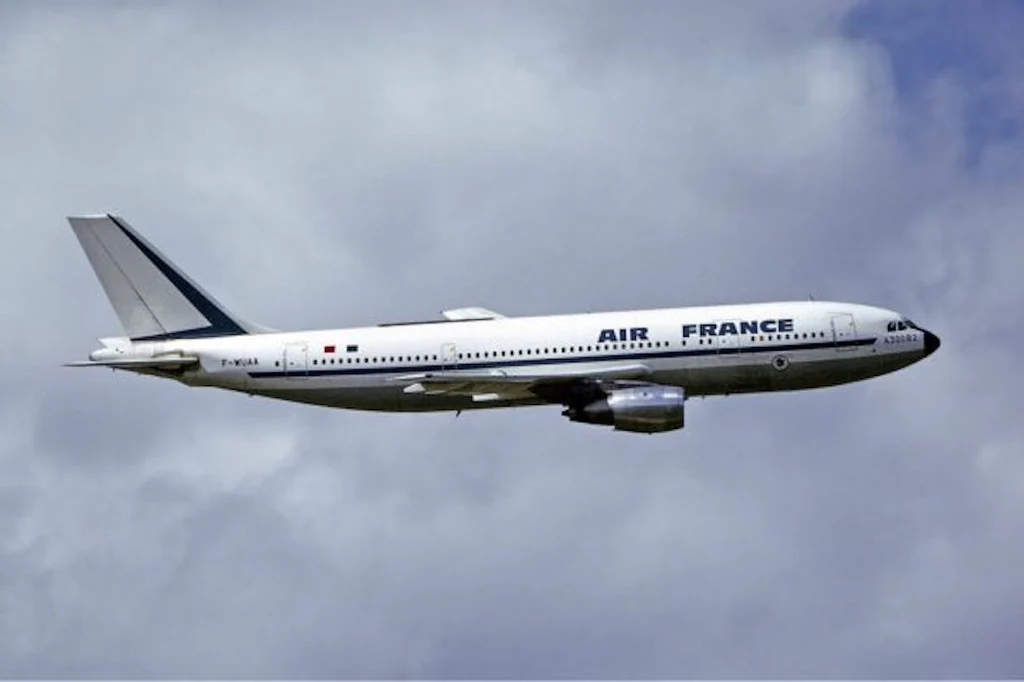
On this day in 1976, a routine international passenger flight was thrown into chaos when Air France Flight 139 was seized shortly after departing Athens, setting in motion what would become the Entebbe hostage crisis and one of the most studied counter terrorism operations in modern military history, later known as the Entebbe hijacking.
The Airbus A300, carrying more than 250 people after originating from Tel Aviv and stopping in Athens, was hijacked minutes into the next leg of its journey.
Four armed hijackers took control of the aircraft, two linked to the Popular Front for the Liberation of Palestine External Operations and two German militants. The crew was forced to divert across multiple countries, first landing in Benghazi for refuelling before continuing south towards East Africa.
Over the following days, the aircraft would land at Uganda’s main international gateway, Entebbe International Airport, where the crisis escalated dramatically under the regime of then president Idi Amin.
Hostages were moved into the old terminal building and separated based on nationality and religion, a process that shocked international observers as non Jewish passengers were gradually released while others were held back under armed guard.
What began on June 27 quickly evolved into a geopolitical standoff that drew in intelligence agencies, negotiators, and military planners across continents.
By the time the crisis reached its peak days later, Israel had already begun preparing a long range rescue operation involving elite commandos, intelligence mapping of the terminal layout, and a covert flight route across hostile airspace.
The hijacked aircraft involved, Air France Flight 139, became the centrepiece of a crisis that would ultimately end in a high risk rescue raid at Entebbe and cement the event as one of the defining hostage situations of the 20th century.
Among those whose fate would later become central to the unfolding drama was Israeli officer Yonatan Netanyahu, whose leadership role in the eventual rescue operation would later be widely recognised.
In a deeply emotional journey ahead of the 50th anniversary of the crisis, a group of original Entebbe hijacking survivors, including Tzipi Gonen, who lost her father in the crossfire, and Gilbert Weill, who returned with his children and grandchildren, set foot on Ugandan soil this month for the first time since their 1976 rescue.
Received officially at Entebbe International Airport, the survivors stood outside the bullet-scarred walls of the historic old terminal to confront painful memories, and pay tribute to the fallen commandos.
