
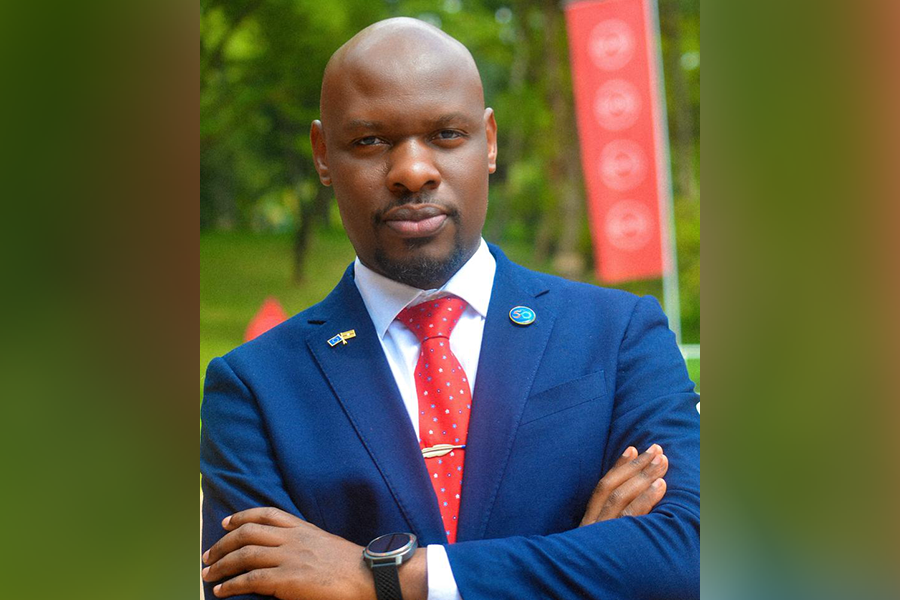
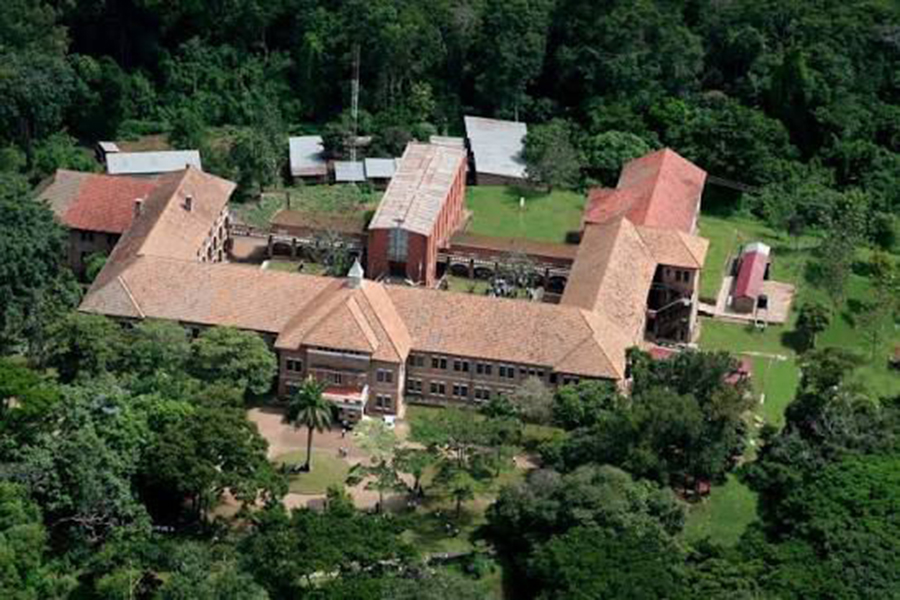
I join the Catholic faithful, priests, alumni and friends of Kisubi Seminary in celebrating the 75th anniversary of Christ the King and St Charles Lwanga Minor Seminary, Kisubi.
Seventy-five years ago, as the Catholic Church expanded its missionary work across Africa, Archbishop Louis Joseph Cabana established what would become one of Uganda's most respected institutions of formation. Built on a then remote, forested hill overlooking Lake Victoria, the seminary's primary mission was to prepare young boys for the priesthood.
Over the decades, however, Kisubi Seminary has grown into much more than a training ground for priests. It has become a symbol of educational excellence, discipline, innovation and leadership.
As preparations for the platinum jubilee gathered momentum, I joined my former classmates in contributing both financially and personally towards the celebrations. Addressing the current students transported me back 25 years to the day I first arrived at Kisubi carrying a metallic suitcase, a small mattress and the excitement of beginning what I believed would be my journey to the priesthood.
To my surprise, I soon realised I had forgotten several essential items listed in the admission requirements: a hoe, slasher, fork, gumboots and a broom. Having grown up in the suburbs of Kampala, I wondered why a school appeared more interested in farm tools than textbooks and pens.
I eventually acquired the missing items, and before Senior One classes began, we underwent two weeks of orientation covering discipline, table etiquette, silence, time management, anger control, music, co-curricular activities and, most memorably, manual labour.
That was when I finally understood why those farming tools were compulsory.
At the time, manual labour felt like punishment. Looking back today, I appreciate it as one of the most valuable lessons I received. It instilled hard work, resilience, perseverance, innovation and humility—qualities that continue to define my personal and professional life.
Like many boys who enter seminaries with the dream of becoming priests, I ultimately did not continue to ordination. Some of my classmates answered that calling, while many of us followed different paths.
Yet regardless of where life eventually led us, we all share one conviction: the seminary played a decisive role in shaping us into responsible citizens committed to serving both God and society.
The first and most obvious role of seminaries is to form Catholic priests who return to communities as spiritual leaders, moral guides and agents of social transformation. Across Uganda, Catholic priests manage schools, hospitals, vocational institutions, libraries, youth programmes and humanitarian initiatives that benefit people regardless of their religious affiliation.
Kisubi Seminary alone has produced nearly 700 priests, including five bishops. Among them are Archbishop Augustine Kasujja, the first Ugandan Apostolic Nuncio; Bishop Antony Zziwa, Chairperson of the Uganda Episcopal Conference; Bishop Matthias Ssekamanya of Kiyinda-Mityana; the late Bishop John Baptist Kaggwa of Masaka; and Bishop Lawrence Mukasa of Kasana-Luweero. Their contributions to education, healthcare, evangelisation and community development speak for themselves.
Yet the seminary's influence extends well beyond the sanctuary.
Catholic seminaries have consistently produced disciplined, ethical and service-oriented citizens who have distinguished themselves in government, academia, business, diplomacy, media, entrepreneurship and public service.
I consider myself one of those beneficiaries. While I never became a priest, the values I acquired at Kisubi continue to guide my work. They have shaped my commitment to integrity, professionalism and public service. Today, I write for leading publications across Uganda, Kenya, Rwanda and South Africa, contributing to conversations on sustainable development and public policy.
Many other former seminarians have equally distinguished themselves. State Minister for Higher Education John Chrysostom Muyingo has made significant contributions to Uganda's education sector. Professor Justinian Tamusuza has earned international recognition in music scholarship, while Professor Peter Kimbowa has excelled in academia, corporate governance and institutional leadership. Other notable alumni include musician Sylver Kyagulanyi and Kampala Lord Mayor Ronald Balimwezo.
Other seminaries have produced equally outstanding citizens. Bukalasa Minor Seminary counts among its former students Jimmy Spire Ssentongo and the late Joseph Mary Mubiru, the first Governor of the Bank of Uganda. Kitabi Seminary educated Kahinda Otafiire, while Dr Chris Baryomunsi completed his secondary education at St Paul's Seminary, Kabale.
The list is far longer than these few examples.
Some may ask whether seminaries still matter in an era shaped by artificial intelligence and rapidly changing technologies.
I believe they matter now more than ever.
While technology continues to transform society, it cannot replace character. Seminaries nurture discipline, integrity, emotional intelligence, ethical leadership, critical thinking and a sense of service—qualities that every successful institution and society requires.
Indeed, I would confidently argue that priests and former seminarians often make some of the finest professionals because they are formed not only intellectually but also morally and spiritually. One only needs to look at institutions such as Centenary Bank or the organisational strength of the Catholic Church itself to appreciate the enduring value of this model of formation.
Catholic seminaries remain custodians of a tradition that produces distinctive citizens marked by humility, discipline, integrity and service in an age increasingly challenged by moral decline, corruption and indiscipline.
As Kisubi Seminary celebrates 75 years of forming priests and responsible citizens, preserving Archbishop Louis Joseph Cabana's vision has become the responsibility of every alumnus and every generation that benefits from this remarkable institution.
Robert Kigongo is a former seminarian of Kisubi Seminary and a Sustainable Development Analyst
