
As the world commemorated the 2026 International Women’s Day on March 8 under the theme “Give to Gain,” it became apparent that many people still misunderstand the core purpose of the day.
In many cases, people celebrate only their mothers or female blood relatives, mistaking International Women’s Day for Mother’s Day. In doing so, they miss the broader purpose of the occasion, which is to recognise and celebrate women making significant contributions to society across different fields.
I was reminded of this misconception during last year’s commemorations when a female colleague who has made exceptional contributions to wildlife conservation declined well wishes because she felt she did not qualify to celebrate the day since she was not a mother.
This highlights a common misunderstanding. International Women’s Day and Mother’s Day are not the same.
Confusing the two undermines the historical significance, awareness campaigns and inclusive advocacy that define the vision of International Women’s Day. In the spirit of leaving no one behind, it is important for people to understand the difference between the two.
While motherhood is a vital and admirable role, International Women’s Day goes beyond celebrating women for giving birth or raising children. The day recognises women who have made remarkable contributions to society, often overcoming cultural barriers, discrimination and systemic inequality.
International Women’s Day celebrates women who have courageously challenged stereotypes and demanded a role in shaping society. These are women who have stood up against misogyny, broken barriers in their respective fields and championed causes that advance the common good.
This does not diminish the value of mothers. Mothers deserve recognition and appreciation, which is why they are celebrated on Mother’s Day and on many other personal occasions such as birthdays, graduations, weddings and family milestones.
However, International Women’s Day is specifically about recognising women who stand out for their courage, sacrifice, determination and resilience. It honours those who go beyond personal or family roles to make a broader impact on communities, nations and the world.
Failing to distinguish between International Women’s Day and Mother’s Day can unintentionally exclude women who do not have children, such as nuns, women who are infertile, or those who have chosen different life paths. Yet the spirit of International Women’s Day is inclusive and aims to recognise the contributions of all women.
If recognition were limited only to biological mothers, the world might overlook many remarkable women who have transformed society. Figures such as Rosa Parks, Mother Teresa, Oprah Winfrey, Jane Austen, Barbara McClintock, Angela Merkel and Gloria Steinem made historic contributions that extend far beyond family relationships.
Although both International Women’s Day and Mother’s Day are associated with women, they serve very different purposes. International Women’s Day is a globally recognised observance dedicated to advancing gender equality and recognising women’s achievements.
The idea of International Women’s Day was first proposed by Clara Zetkin in the early 20th century as part of efforts to raise awareness about women’s rights and civic participation. Mother’s Day, on the other hand, was later popularised by Anna Jarvis to honour maternal bonds, family and motherhood.
International Women’s Day also emerged from a history of social activism and struggle. It was shaped by workers’ movements, protests and political activism, including demonstrations by women demanding fair labour conditions and civic rights.
Since then, countless women have played transformative roles in civil rights movements, liberation struggles, governance, science, innovation, arts and social development.
Some have even been recognised with global honours such as the Nobel Prize. Marie Curie, for example, made groundbreaking discoveries in radioactivity and became a two-time Nobel Prize winner. Wangari Maathai of Kenya received the Nobel Peace Prize in 2004 for mobilising rural women to plant millions of trees through the Green Belt Movement to restore the environment.
Many other women have demonstrated extraordinary courage in the fight for justice and human dignity. Among them is South African anti-apartheid activist Winnie Mandela, whose resilience symbolised resistance against oppression.
Today, many women continue to follow in the footsteps of earlier trailblazers. Figures such as María Corina Machado in Venezuela, Masih Alinejad of Iran, Agather Atuhaire in Uganda and Hanifa Adan in Kenya represent a new generation of women pushing for social change, accountability and gender justice.
Yet despite decades of advocacy, many challenges persist. Gender-based violence, misogyny, female genital mutilation, sexual harassment, healthcare disparities and economic inequalities continue to affect women across the world.
These realities serve as a reminder that the mission of International Women’s Day is far from complete. They also highlight the importance of strengthening awareness campaigns and ensuring that each generation understands the true meaning of the day.
Governments, civil society organisations, development partners, gender activists and the media all have a role to play in ensuring that the message of International Women’s Day remains relevant and widely understood.
New communication tools such as music, digital media and artificial intelligence can help reach wider audiences and mobilise support for gender equality initiatives. Effective communication strategies are essential for building the critical mass needed to accelerate progress towards meaningful women’s empowerment and the achievement of Sustainable Development Goal 5 on gender equality by 2030.
International Women’s Day should therefore remain a moment to celebrate courage, leadership, resilience and the transformative impact of women in society—not merely a day to acknowledge motherhood.
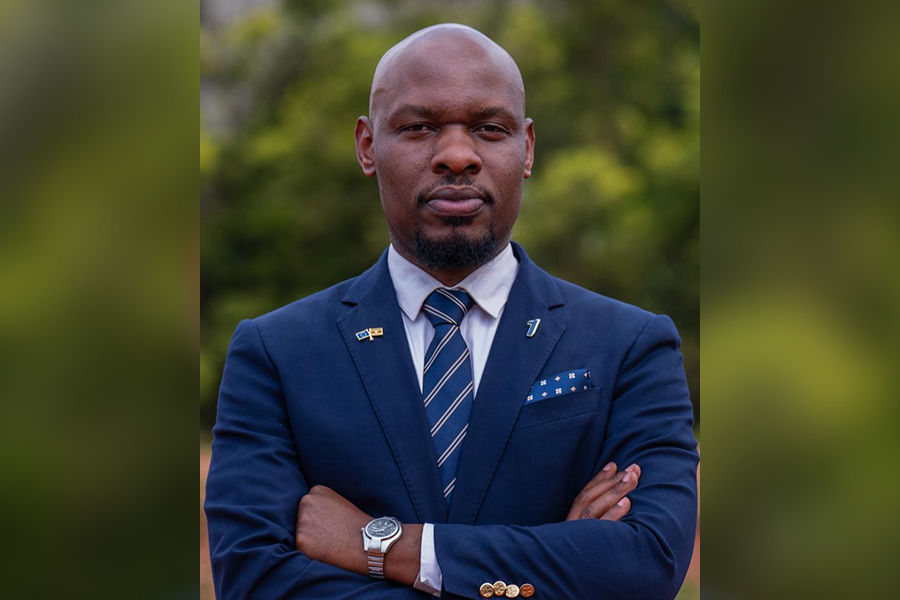
Robert Kigongo is a sustainable development analyst and a defender of defenders.
