
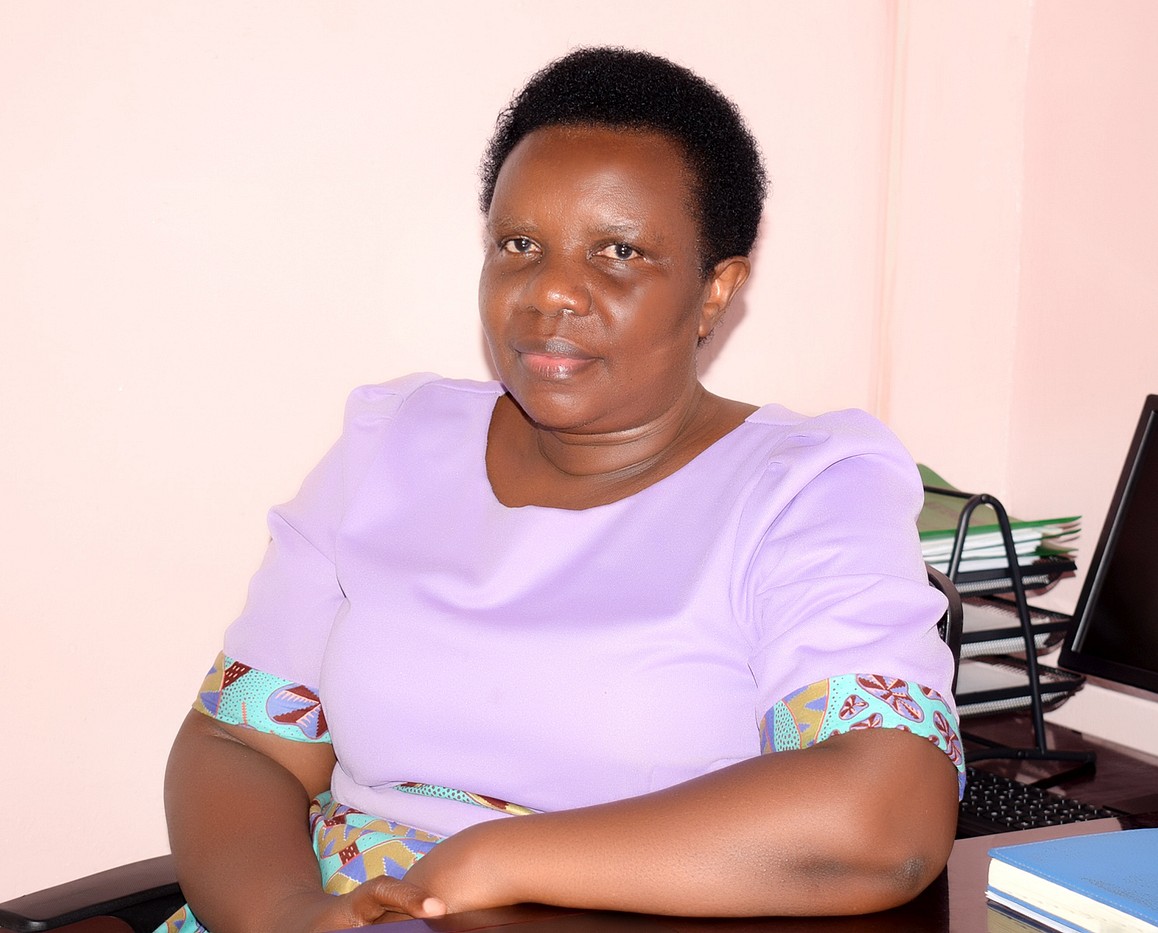
By Elizabeth Kayanga
Every year, International Women’s Day invites the world to celebrate the achievements of women while reflecting on the barriers that still stand in the way of full equality.
For women and girls with disabilities, this reflection is particularly urgent.
Across Uganda and around the world, they often face a unique form of exclusion shaped by the intersection of gender inequality and disability. While significant progress has been made in advancing women’s rights, many women and girls with disabilities continue to experience discrimination that limits their access to education, employment, healthcare, leadership opportunities, and justice.
This year’s global International Women’s Day theme: “Rights. Justice. Action. For ALL Women and Girls” is therefore an important reminder that equality cannot be selective. At the national level, Uganda’s theme: “Scaling up Investment to Accelerate Access to Justice for all Women and Girls in Uganda” challenges us to strengthen the systems that protect women’s rights and ensure accountability when those rights are violated.
However, if access to justice is to truly reach all women and girls, it must intentionally include those with disabilities.
Uganda’s own data illustrates why this is important. According to the national census, about 5.5 million Ugandans- roughly 13.2% of the population, live with a disability, and more than 3 million of them are women. These numbers represent millions of women and girls whose experiences must be considered in policies, programs, and justice systems.
Yet women with disabilities remain among the most marginalized groups in society.
Research shows that they are significantly more vulnerable to violence than women without disabilities. In Uganda, nearly two-thirds (64%) of women with disabilities report experiencing physical, sexual, or emotional violence in their lifetime, compared to just over half of women without disabilities. Such statistics highlight the urgent need for stronger protection and accessible justice mechanisms.
Accessing justice itself can present additional challenges. Many police stations, courts, and legal aid services are not fully accessible for persons with physical, sensory, or communication disabilities. For some survivors, the absence of sign language interpreters, accessible information, or supportive reporting systems becomes a barrier that prevents them from seeking help at all.
Scaling up investment in justice systems must therefore go beyond expanding infrastructure or increasing resources. It must also ensure that these systems are inclusive and responsive to the needs of women and girls with disabilities.
Justice institutions should be physically accessible. Justice actors should receive training on disability inclusion. Survivors with disabilities must be able to report violence safely and pursue justice without fear, stigma, or additional barriers.
Addressing such inequalities requires deliberate action.
As Uganda commemorates International Women’s Day this year, the call to scale up investment to accelerate access to justice must be understood in its fullest sense.
Justice must be accessible and inclusive
Rights must be realized.
Action must be deliberate.
The author is the CEO of Integrated Disabled Women Activities (IDIWA)
