
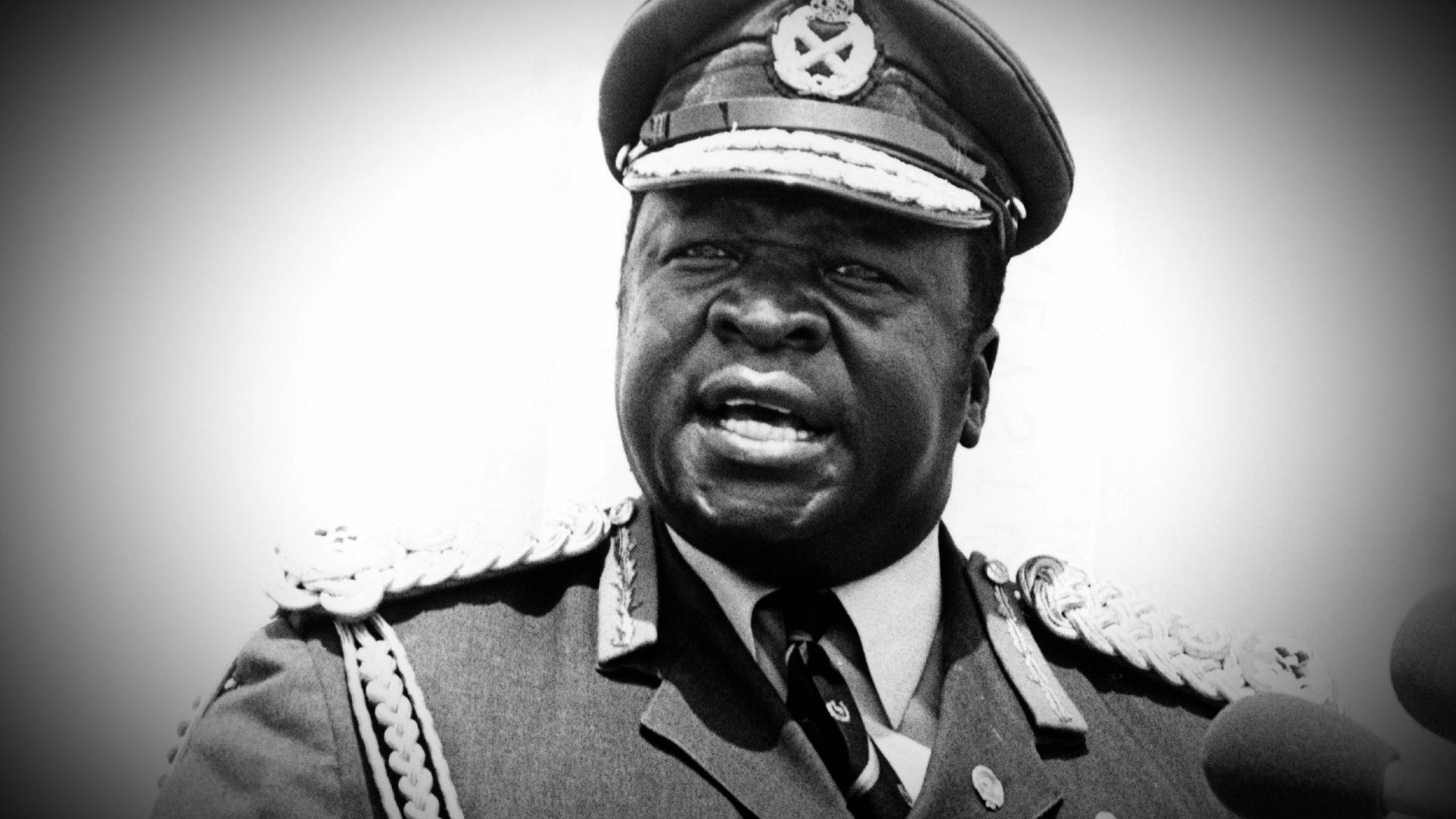
On this day in 1976, Uganda’s military government formally declared Field Marshal Idi Amin Dada President for Life, a move that marked the height of his power and reinforced his grip on the country less than five years after he seized power in a military coup.
The announcement followed a recommendation by the Military Defence Council, the regime’s highest decision-making body at the time.
Although the declaration appeared sudden, it had been preceded by years of organised political mobilisation. Beginning in 1972, delegations of chiefs, elders and local leaders from different parts of Uganda submitted memoranda urging the government to grant Amin the lifetime title.
Among the earliest groups were representatives from Ankole and Kigezi, who met military officials in July 1972 and praised Amin’s leadership. Similar appeals later emerged from Lamogi in Acholi, where elders also submitted a memorandum supporting the proposal. The regime presented these petitions as evidence of broad national approval.
Supporters of the move cited several policies introduced under Amin’s rule, including the 1972 expulsion of Uganda’s Asian community under the so-called Economic War, the banning of political parties, restrictions on nightlife and dress codes, and the return of the remains of Sir Edward Mutesa II for reburial in Uganda.
The decisive step came when the Defence Council met at Republic House in Kampala on June 22, 1976. Members reportedly unanimously agreed to recommend Amin for the title of Life President. On June 25, the resolution was formally presented to him at his command post in Kololo by Acting Air Force Commander Lt. Col. Godwin Sule.
In its proclamation, the Defence Council praised Amin for what it described as exceptional service to the nation, claiming he had done more for Uganda than any leader since independence. Amin accepted the honour, further entrenching a personality cult that had steadily developed throughout his rule.
The title added to an already extensive list of honours and ranks associated with the Ugandan leader, whose public image was increasingly shaped by military authority, nationalism and personal power.
However, the declaration proved far less permanent than intended. In April 1979, Amin’s government collapsed when Tanzanian forces and Ugandan exile groups captured Kampala, bringing an end to one of the most controversial chapters in Uganda’s post-independence history. The man proclaimed President for Life ruled for only about 34 months after receiving the title.
