
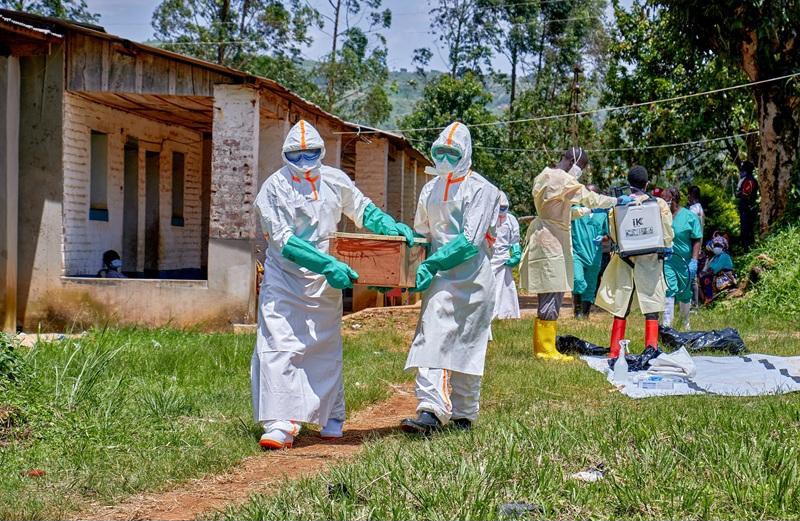
Uganda has officially been declared free of Ebola after successfully stopping the spread of the 2026 outbreak, following 42 days without recording any new infections.
The Ministry of Health announced the end of the outbreak after completing the mandatory monitoring period, which started after the last Ugandan Ebola patient, a locally transmitted case, was discharged on June 16, 2026.
Health Minister Dr. Chris Baryomunsi said Uganda’s victory against Ebola was achieved through early detection, effective contact tracing, rapid response mechanisms and strong collaboration between government agencies, communities and health partners.
He explained that unlike previous outbreaks, the 2026 Ebola outbreak was linked to a clearly identified importation event from the Democratic Republic of Congo (DRC), allowing health authorities to quickly trace the source, identify contacts and interrupt transmission chains.
Uganda recorded 20 confirmed Ebola cases during the outbreak, including 15 imported cases from the DRC and five Ugandan nationals who contracted the virus while caring for infected patients. Of the confirmed cases, 18 people recovered while two deaths were recorded.
Dr. Baryomunsi said all contacts linked to confirmed cases were identified, placed under monitoring and completed the required 21-day follow-up period without evidence of further transmission.
“The source of infection was identified, the route of introduction established, all confirmed cases were epidemiologically linked, and transmission chains were completely characterised and reconstructed,” he said.
The minister attributed Uganda’s success to investments made over the years to strengthen the country’s public health system, including improved laboratory capacity, disease surveillance, digital monitoring systems and emergency response structures.
He said rapid molecular testing, genomic sequencing, real-time contact tracing and coordinated incident management played a critical role in providing health officials with accurate information needed to contain the outbreak.
“Uganda has defeated this outbreak because of the strong investments the Government has made over the years in building resilient public health systems,” Dr. Baryomunsi said.
“Our ability to quickly detect cases, trace and monitor contacts, provide quality treatment, strengthen laboratory services, and work closely with communities ensured that the outbreak was rapidly brought under control.”
Baryomunsi praised frontline health workers, local governments, security agencies, community health workers and development partners for their role in containing the disease.
The outbreak was declared on May 15, 2026, after Uganda confirmed imported Ebola cases from the DRC.
Uganda responded by strengthening surveillance at border points, deploying rapid response teams and expanding treatment and isolation capacity.
As part of regional efforts to prevent further spread, Uganda entered into a Memorandum of Understanding with the DRC to support a joint cross-border Ebola response.
Uganda established mobile laboratories and an 80-bed Ebola Treatment Unit in Aru and Kasenyi in eastern DRC to help contain the virus at its source.
Despite being declared Ebola free, the Ministry of Health warned that Uganda remains at risk due to ongoing Ebola threats in neighbouring countries.
Dr. Baryomunsi urged communities, especially those in border districts, to remain vigilant and report suspected cases or illegal entry of people showing Ebola-like symptoms.
“Although Uganda is now Ebola free, our work does not stop here. We will continue strengthening surveillance, maintaining preparedness across the country, particularly in border districts, and working with neighbouring countries to safeguard the health and wellbeing of our people,” he said.
The Ministry reassured Ugandans, visitors, investors and tourists that the country remains safe and open for business and social activities.
