
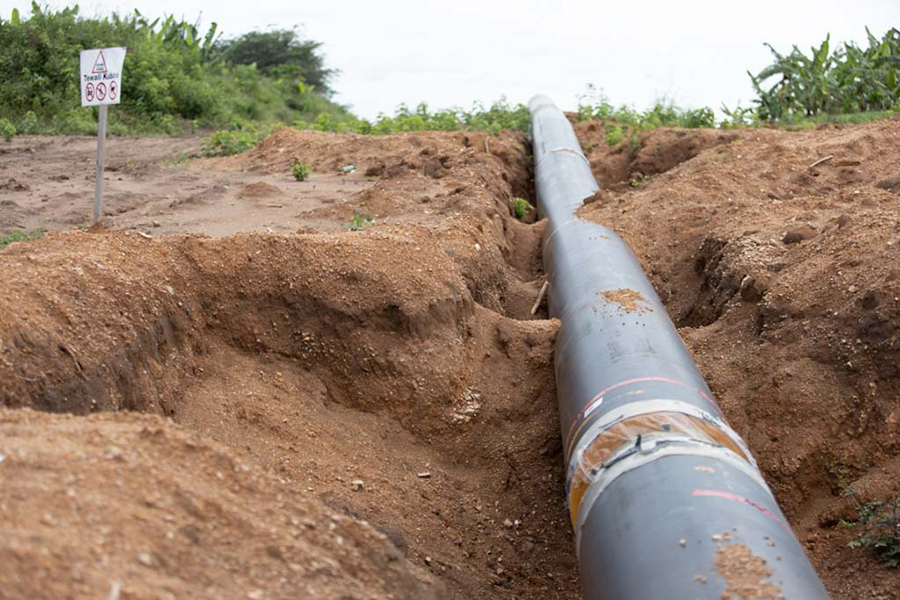
Construction activities linked to Uganda’s oil and gas projects are degrading wetlands and threatening biodiversity, a new report by the Africa Institute for Energy Governance (AFIEGO) has warned.
The report, released on Tuesday, assessed the environmental impact of construction works under the East African Crude Oil Pipeline (EACOP), the Victoria Nile Pipeline Crossing under the Tilenga project, and the Kingfisher feeder pipeline on selected wetlands across the country.
It found that activities associated with the projects have contributed to siltation, increased human activity, noise and air pollution, posing potential long-term risks to ecosystems and communities that depend on wetlands.
Uganda’s wetlands cover about 13.9 percent of the country’s land area and play a critical role in water regulation, biodiversity conservation and carbon storage.
AFIEGO says wetlands contribute more than US$1 billion annually to the economy, while over 80 percent of Ugandans directly depend on wetland resources for food security.
The report identifies several wetland systems affected by oil infrastructure developments, including the Murchison Falls, Albert Delta Ramsar Wetland System, Kibale, Bukoora and Kafu wetlands, as well as wetlands within the Lake Albert and Lake Victoria basins.
According to the report, construction of the Victoria Nile Pipeline Crossing under the Tilenga project increased human activity around the Murchison Falls-Albert Delta Ramsar Wetland System.
Researchers documented the establishment of a workers’ camp, increased movement of heavy construction vehicles within Murchison Falls National Park and the introduction of a fossil fuel-powered generator in the area.
The report also links construction of the Kingfisher feeder pipeline to reduced water availability in River Rutooha, which communities say has affected chimpanzees in Wambabya Forest.
The river, which is connected to Wambabya wetland and flows through the forest, was used by chimpanzees, but residents say some animals have increasingly moved into nearby communities in search of water and food, raising concerns over human-wildlife conflict.
Researchers further found that construction activities under EACOP caused siltation and blockage of tributaries connected to wetlands including Wambabya, Kafu, Kibale and Bukoora in Hoima, Kakumiro and Kyotera districts.
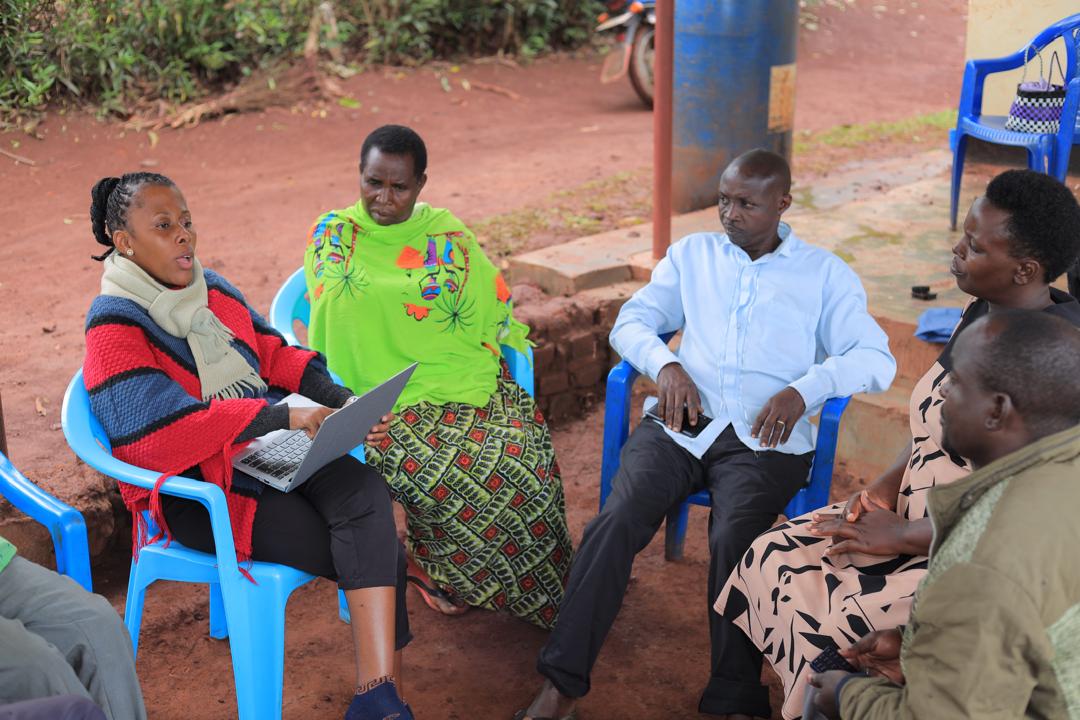
Speaking during the release of the report, AFIEGO Manager for Programmes and Communications Diana Nabiruma said the findings highlight growing environmental risks linked to oil developments.
“The research shows that the construction of the EACOP has had impacts such as siltation, which is affecting wetlands in districts such as Hoima and Kyotera or Rakai,” Nabiruma said.
She added that reduced river flows caused by siltation may have affected water access for chimpanzees in Wambabya Forest, forcing them to move into communities in search of food and water.
Nabiruma also warned that increased traffic, population influx, noise and air pollution linked to the Victoria Nile Pipeline Crossing could affect wildlife conservation efforts in Murchison Falls National Park.
The report notes that noise and vibrations from human activities can disrupt wildlife communication, movement and feeding patterns, while emissions from fossil fuel-powered generators release pollutants that may affect animal health and reproduction.
It adds that aquatic species, including fish, birds, amphibians and fungi, are among those most vulnerable to pollution.
The Murchison Falls-Albert Delta Ramsar Wetland System hosts 78 waterbird species, including three globally threatened species, alongside 25 reptile species, more than 52 fish species and 27 amphibian species. The wetland is also an important breeding ground for Lake Albert fisheries, which accounted for 51 percent of Uganda’s total fish catch in 2023.
AFIEGO Chief Executive Officer Dickens Kamugisha called for restoration of affected wetlands and a review of Uganda’s oil development approach.
“Uganda cannot attain sustainable economic transformation by degrading the very ecosystems that support citizens,” Kamugisha said.
He urged government and oil companies, including TotalEnergies EP Uganda and China National Offshore Oil Corporation Uganda, to restore affected wetlands and address environmental damage linked to petroleum developments.
AFIEGO has called for a broader assessment of the cumulative impact of oil pipelines on wetlands across Uganda to guide restoration efforts, biodiversity conservation and future investments in sustainable economic activities.
